You’ve got three days in Bordeaux, and honestly, that’s just enough time to scratch the surface of what this wine capital offers.
Picture yourself wandering cobblestone streets in medieval villages, sipping world-class wines straight from the source, and exploring Gothic cathedrals that’ll make your jaw drop.
Whether you’re drawn to historic architecture, legendary vineyards, or Atlantic coastlines, Bordeaux’s got you covered.
Here’s how to make every moment count.
- La Cité du Vin is the world’s largest wine cultural center with 18 interactive modules and requires 2–3 hours to explore fully
- Saint-Émilion, a UNESCO World Heritage village 40 kilometers northeast, features Europe’s largest underground 11th-century church and half-day tours through 5,400 hectares of vineyards
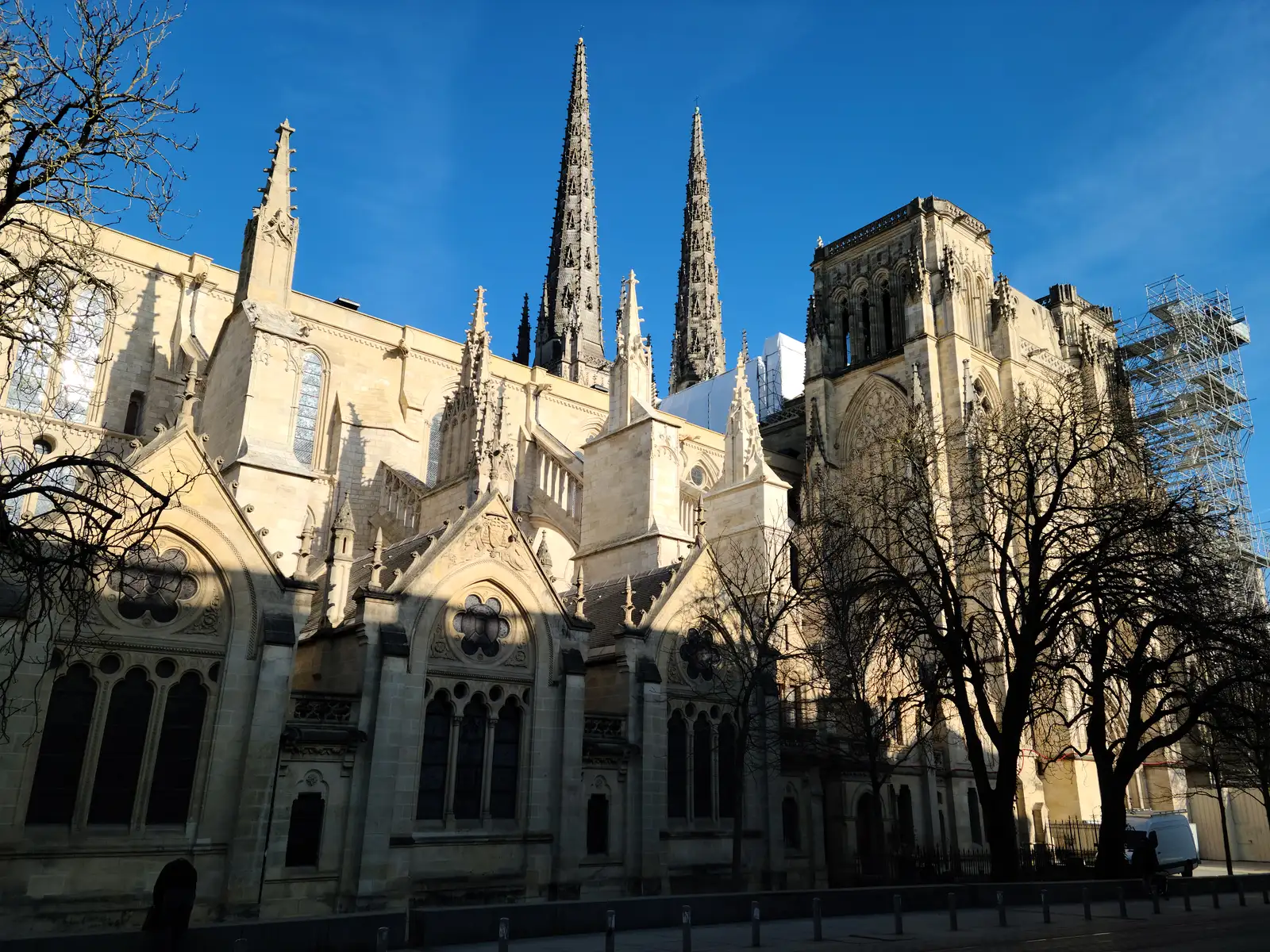
- Bordeaux Cathedral’s single nave stretches 124 meters long and showcases 13th-century northern French Gothic architecture with twin towers rising 81 meters
- The Musée du Vin et du Négoce in Chartrons costs €12 entry and includes a guided tasting of two Bordeaux wines
- Pey-Berland Tower offers panoramic city views from 66 meters high after climbing over 200 steps
- All three major Gothic sites sit on UNESCO’s Santiago pilgrimage route, connecting you to centuries of historical significance
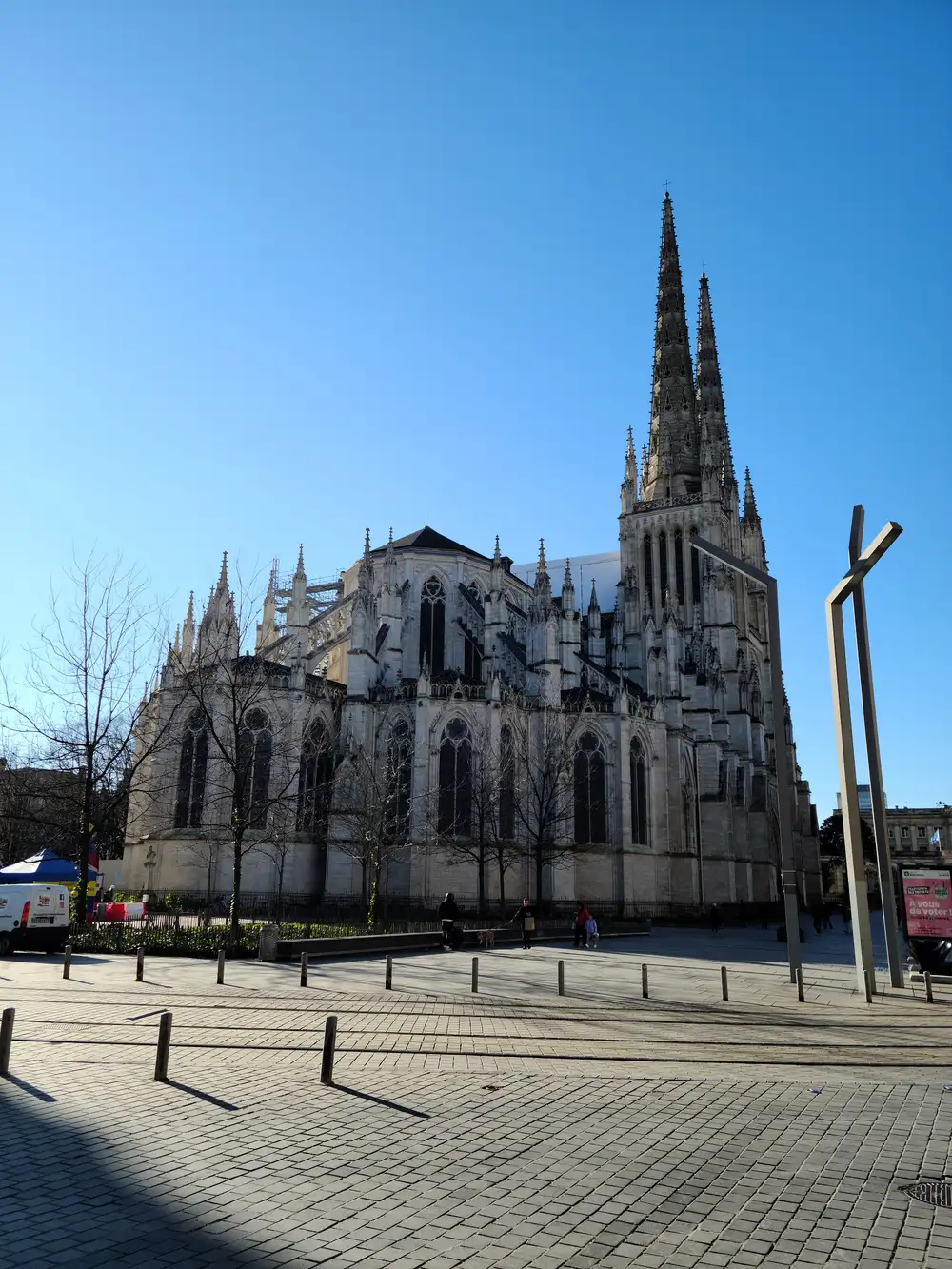
Bordeaux Wine Districts: Chartrons Antique Shops and Cité Du Vin
When you think of Bordeaux, world-class wine instantly comes to mind—and this city doesn’t disappoint. Start in the historic Chartrons district, where 18th-century négociant houses and antique shops tell stories of Bordeaux’s prosperous wine trade era.
The Musée du Vin et du Négoce captures this heritage perfectly—explore barrel aging techniques, vintage bottles, and period objects before enjoying a guided tasting of two Bordeaux wines (€12 entry).
Next, head to La Cité du Vin at 134 Quai de Bacalan—the world’s largest wine cultural center. Budget 2-3 hours for the massive 3,000 m² permanent exhibition featuring 18 interactive modules spanning wine’s global history.
The striking building was designed by XTU Architects to resemble wine swirling in a glass, with a facade of 2,500 glass panels that change color throughout the day. Don’t miss the 8th-floor Belvedere, where you’ll enjoy a complimentary glass with stunning 360° city views.
The Latitude20 wine bar inside La Cité du Vin boasts 14,000 bottles from 70 countries if you want to extend your tasting experience.
Medieval Saint-Émilion Vineyards or Arcachon’s Atlantic Dunes
With UNESCO World Heritage status since 1999, the medieval village of Saint-Émilion sits just 40 kilometers northeast of Bordeaux—making it an essential day trip for wine lovers and history buffs alike. You’ll explore Europe’s largest underground church, carved from limestone in the 11th century, and climb its 68-meter bell tower for sweeping vineyard views.
Half-day tours from Bordeaux whisk you through 5,400 hectares of historic vineyards, where Romans first planted vines and medieval monks perfected winemaking. You’ll taste organic wines at family châteaux, wander Gothic cloisters with ancient frescoes, and stroll cobblestone streets lined with wine cellars.
The region’s diverse terroirs include limestone, clay-limestone, gravel, and sand soils that create distinctive wine characteristics across approximately 900 châteaux.
The Jurade brotherhood has regulated quality here since 1199—you’re experiencing centuries of winemaking tradition in action.
Gothic Bordeaux: Riverside Walks and 15th-Century Landmarks
Gothic spires pierce Bordeaux’s skyline along the Garonne River, where centuries-old cathedrals anchor your exploration of the city’s medieval heart.
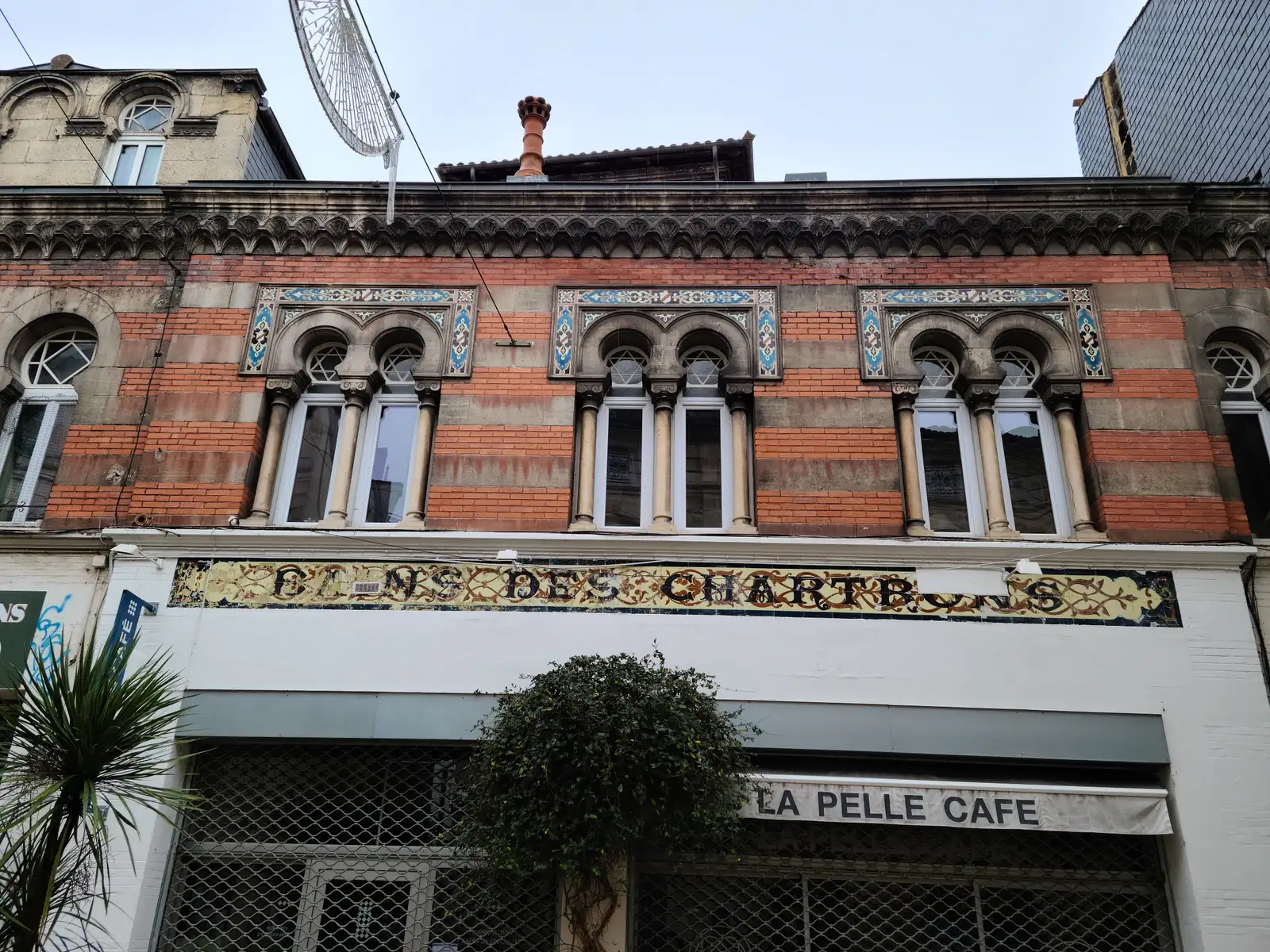
Start at Bordeaux Cathedral, the city’s largest religious building. Its Royal Portal showcases apostle statues and Last Judgement scenes—pure 13th-century northern French Gothic.
You’ll spot twin towers soaring 81 meters above the north transept. The cathedral’s single nave stretches an impressive 124 meters long and 23 meters high, exemplifying the distinctive Angevin Gothic style.
Next, climb the isolated Pey-Berland Tower. Archbishop Pey Berland commissioned this Flamboyant Gothic masterpiece in 1440.
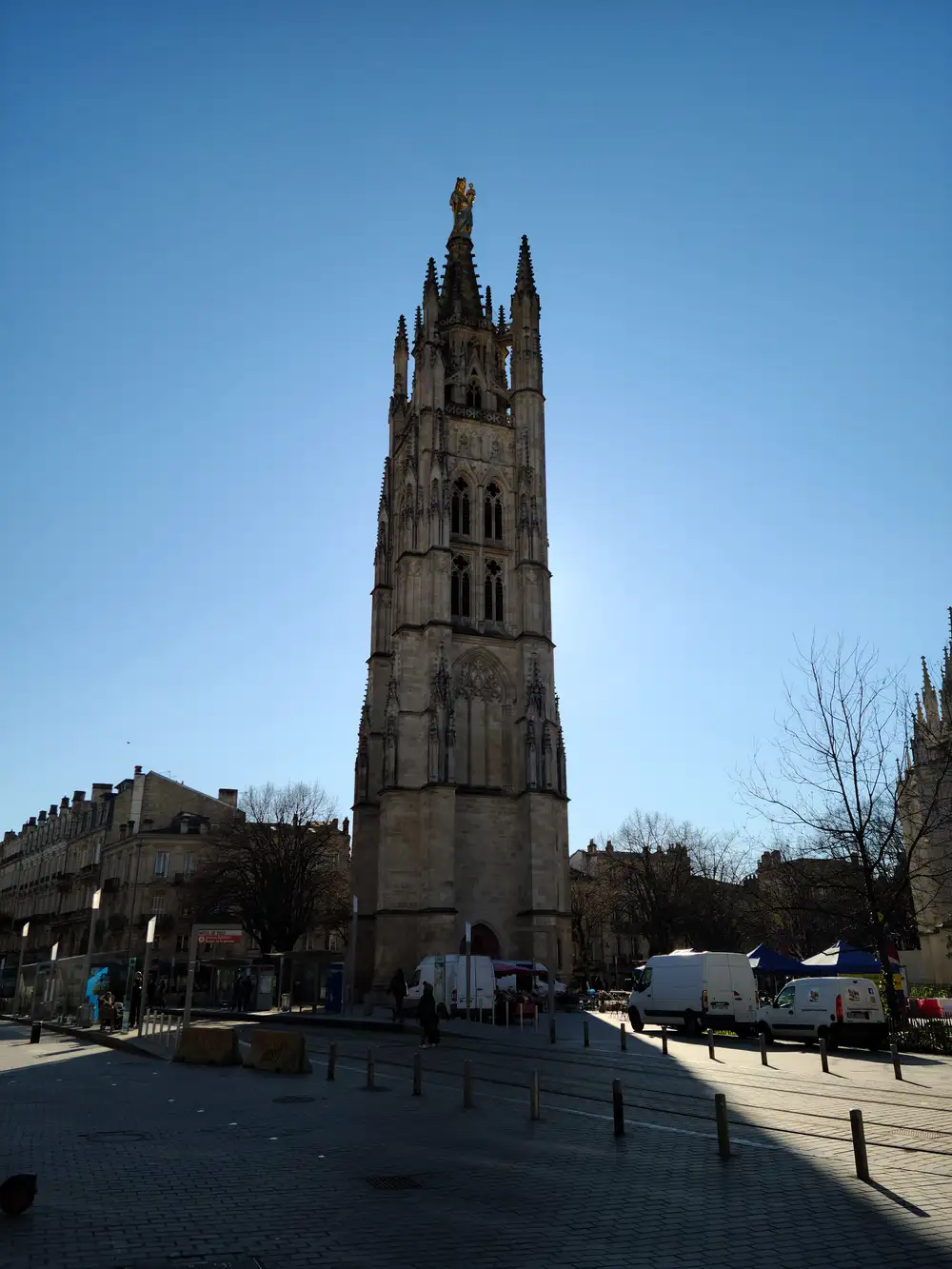
Climbing Pey-Berland Tower requires conquering over 200 steps, but the 66-meter-high views reward your effort with panoramic city vistas.
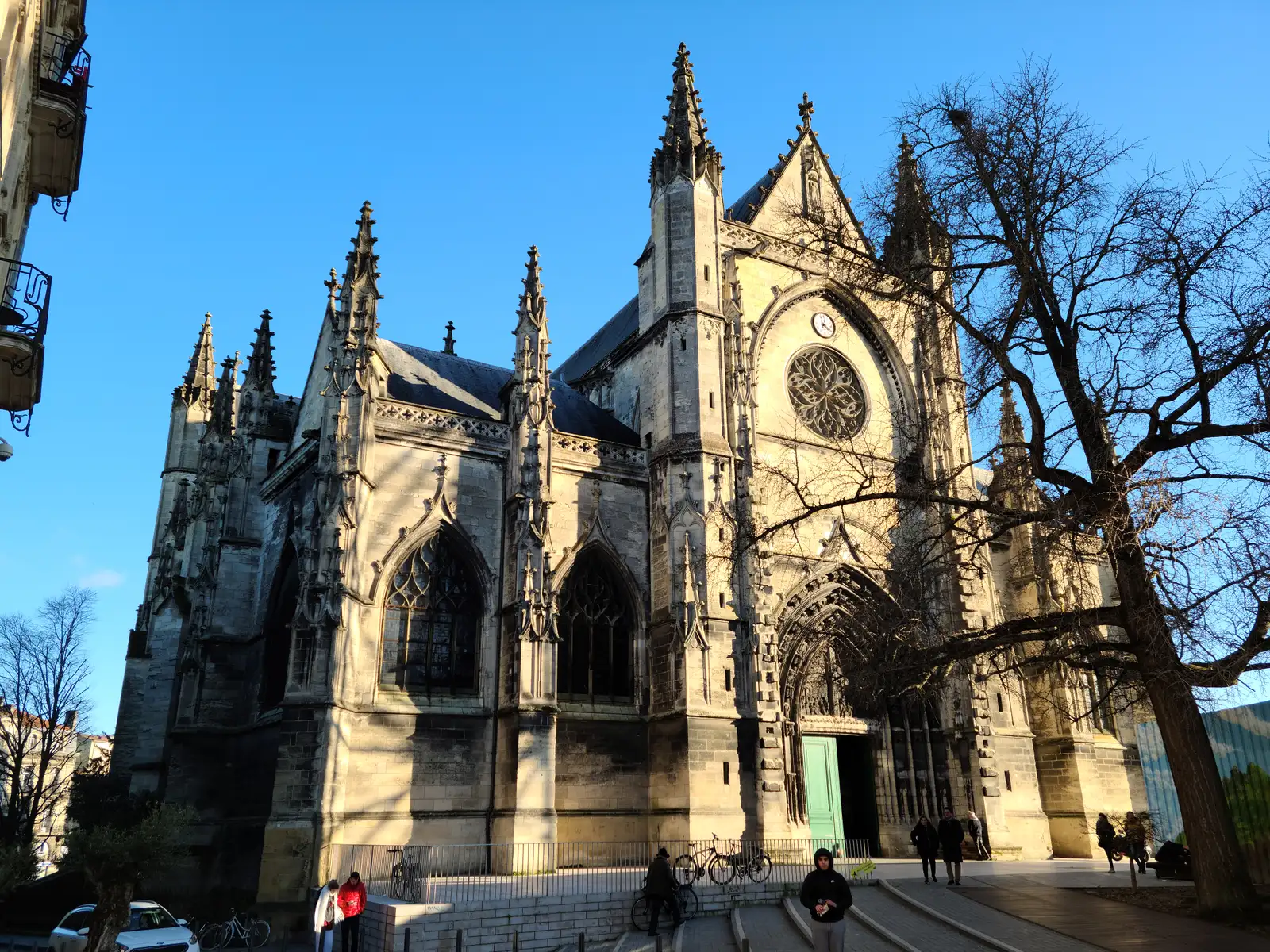
Head to Basilica Saint-Michel on Place Canteloupe. This 14th-16th-century stunner took over 200 years to complete. Its High Flamboyant Gothic windows depict St. Peter’s life brilliantly.
All three sites sit on UNESCO’s Santiago pilgrimage route—history you’ll walk through.
Conclusion
You’ve just revealed Bordeaux’s triple treasure! From sipping wine in Chartrons’ vintage shops to wandering Saint-Émilion’s ancient vineyards, you’ve tasted history. Those Gothic spires and riverside sunsets? They’re calling you back already. Three days flew by, but you’ve crammed in serious adventure—medieval churches, world-class wines, and waterfront magic. Pack your bags, grab your camera, and plunge in. Bordeaux’s waiting to blow your mind. This isn’t just a trip—it’s your French love story beginning!