
You’re planning your Edinburgh trip, and here’s the question that’ll shape everything: how many days should you actually stay?
Get it right, and you’ll experience the city’s magic without feeling rushed or bored.
Get it wrong, and you’ll either miss iconic spots or find yourself scrambling for things to do.
The answer isn’t what most travel guides tell you, and it depends on factors you probably haven’t considered yet.
- Most international visitors spend 5 nights in Edinburgh, which balances seeing major attractions with soaking up the city’s atmosphere without exhaustion
- Three to four days is the optimal duration for first-time visitors, covering highlights like Edinburgh Castle, the Royal Mile, and hidden closes without redundancy
- Two days feels rushed with long queues at castle and palace entries, leaving you sprinting past details that make the city special
- Five days in the city alone often means revisiting the same cafés and viewpoints because you’ve already completed major sights
- August festival visits require 5–7 days to experience multiple shows across the Fringe, International Festival, and Military Tattoo simultaneously
- Off-season visits from November to February allow 2–3 days to suffice, with shorter lines and significantly lower hotel rates
- Each major museum claims half your day, with the National Museum of Scotland and castle requiring 3–5 hours of exploration time
3–4 Days in Edinburgh: The Sweet Spot for Most Travelers
Planning your Edinburgh adventure means figuring out how long to stay, and the data tells an interesting story. International visitors spend an average of 5 nights in Edinburgh, which gives you enough time to explore without feeling rushed. This duration perfectly balances seeing major attractions with soaking up the city’s atmosphere.
You’ll want more time than domestic travelers, who typically stay 2-3 nights. Their shorter visits work for quick getaways, but you’re likely after a deeper experience. The 5-night sweet spot lets you visit Edinburgh Castle, wander the Royal Mile, explore hidden closes, and enjoy the city’s vibrant food scene.
With over 2 million international visitors arriving in Edinburgh annually, you’re part of a global community drawn to this historic city. It’s what most international travelers choose, and there’s good reason why this duration works so well.
Why 3–4 Days Works Better Than 2 or 5
You’ll find that two days leaves you sprinting through Edinburgh’s cobbled streets, barely scratching the surface of the castle and Royal Mile before you’re off again. Meanwhile, five full days in the city alone often means you’re revisiting the same cafés and viewpoints because you’ve already ticked off the major sights.
Three to four days hits that perfect balance—you’ll cover the highlights without exhaustion and still have breathing room for spontaneous discoveries or a day trip to the Highlands. This timeframe allows you to experience a guided historical walking tour through Old Town, explore Edinburgh Castle properly with its Crown Jewels and Stone of Destiny, and venture into charming neighborhoods like Stockbridge for independent shopping.
Two Days Feels Rushed
Most first-time visitors try to pack Edinburgh Castle, the Royal Mile, Holyrood Palace, Arthur’s Seat, and New Town into just 48 hours—and they end up sprinting past the very details that make the city special. You’ll spend 2–3 hours at the Castle alone, then face steep hills and staircases connecting Old Town to New Town, leaving you exhausted before dinner.
Timed entries and queues at Holyrood, Mary King’s Close, and museums eat into your schedule, forcing you to skip evening experiences like traditional music sessions or sunset views from Calton Hill. The truth? Edinburgh’s compact layout deceives you—it’s dense with attractions that deserve more than a quick photo.
Three days let you actually enjoy those cobbled closes and linger over the skyline instead of checking boxes. The city’s blend of medieval Old Town and Georgian New Town creates layers of history that reward slower exploration rather than rushed sightseeing.
Five Days Causes Redundancy
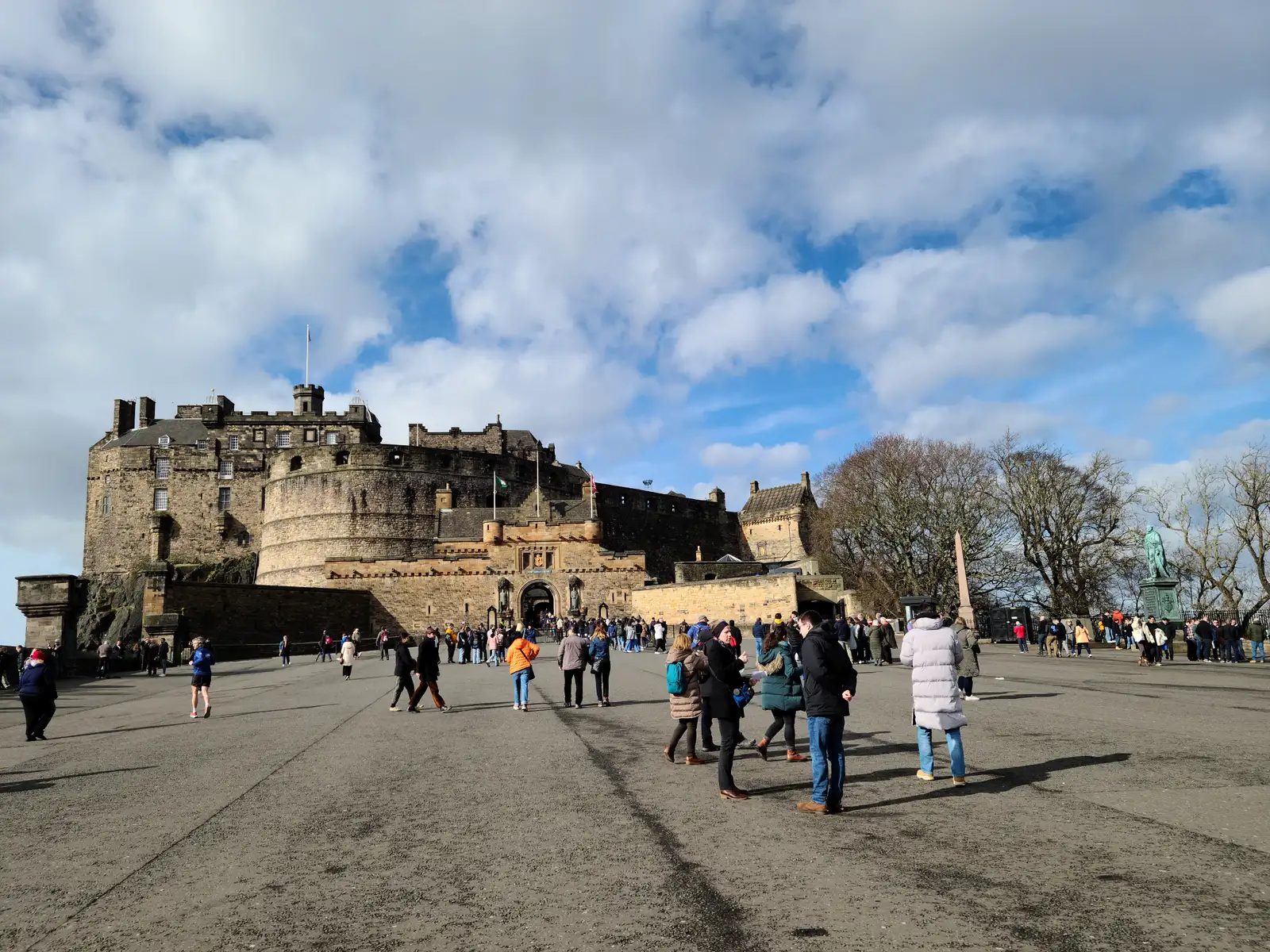
After three full days exploring Edinburgh’s medieval alleys and Georgian squares, you’ll notice something odd: the city starts repeating itself. You’ve already walked the Royal Mile twice, climbed Arthur’s Seat, and toured the castle thoroughly.
Day five becomes awkward—you’re revisiting the same cafés and wandering streets you’ve already photographed. Edinburgh’s compact size is its charm, but it’s also why five days feels excessive. Most travelers start inventing activities: third visits to museums, unnecessary day trips, or aimlessly wandering already-familiar neighborhoods.
You’ll find yourself checking your watch more often. Three to four days hits the sweet spot. You’ll experience everything essential without the uncomfortable redundancy that comes from overstaying.
Just as condensed schedules prove more effective in workplace settings, a shorter Edinburgh itinerary maintains higher engagement and satisfaction throughout your visit. Save that fifth day for another Scottish destination instead.
The Packed 2-Day Itinerary (And What You’ll Miss)
- Museum lingering — The National Museum deserves hours, not a 45-minute dash between floors
- Guided experiences — Ghost tours, whisky tastings, and underground vaults compete for the same evening slots
- Neighborhood wandering — Stockbridge’s cafés, Dean Village’s riverside paths, and Leith’s waterfront remain unexplored
Two days deliver the postcard moments. They won’t deliver the rhythm of Edinburgh itself.
When 5–7 Days in Edinburgh Makes Sense
If you’re visiting during August’s Fringe Festival or Hogmanay, you’ll want at least 5–7 days to catch multiple shows, street performances, and events while still exploring the city’s main attractions. A longer stay also lets you mix and match day trips—hit Stirling Castle one day, cruise to Inchcolm Island the next, then wander through coastal villages like Queensferry without feeling rushed.
You’ll experience Edinburgh as a living festival hub and a launchpad for Scotland’s highlights, not just a checklist stop.
Festival and Event Immersion
Why do some travelers block out an entire week for Edinburgh in August? The city transforms into the world’s largest arts gathering when the Fringe, International Festival, Military Tattoo, and Art Festival run simultaneously. With thousands of shows across hundreds of venues, you’ll need 5–7 days to truly sample the diversity.
A week lets you craft a rich festival itinerary with morning to midnight programming—catching family shows at noon, experimental theatre at 3 p.m., comedy at 7 p.m., and late-night cabaret after 10 p.m. You’ll experience multiple genres by mixing International Festival opera with free Fringe street performances and Art Festival gallery visits.
Secure Tattoo tickets and navigate sold-out shows with backup options during festival season. A week-long visit gives you flexibility when shows sell out or timing doesn’t work.
Multiple Day Trip Combinations
When you stretch your Edinburgh visit to 5–7 days, you reveal a powerful advantage: the city becomes your home base for exploring Scotland’s most compelling destinations without the hassle of packing and unpacking every night.
You’ll have time for a Stirling day trip to see its castle and Wallace Monument. Add Peebles and the Borders for riverside scenery and charming market towns. Tour operators make Loch Lomond and early Highlands landscapes accessible in a single day, returning you to Edinburgh each evening.
The ideal split? Spend 3–4 days exploring urban Edinburgh, then dedicate 1–3 days to regional excursions. This combination delivers Scottish history, dramatic landscapes, and cultural depth—all while keeping your accommodation constant and your luggage stationary.
Day-by-Day Breakdown: How to Spend Each Day
Planning your Edinburgh adventure becomes straightforward once you map out what each day should tackle.
Day 1 sets your foundation with Edinburgh Castle in the morning, then a Royal Mile stroll down to Holyroodhouse. You’ll discover St Giles’ Cathedral, Real Mary King’s Close, and atmospheric wynds along the way. Cap it off with an evening ghost tour.
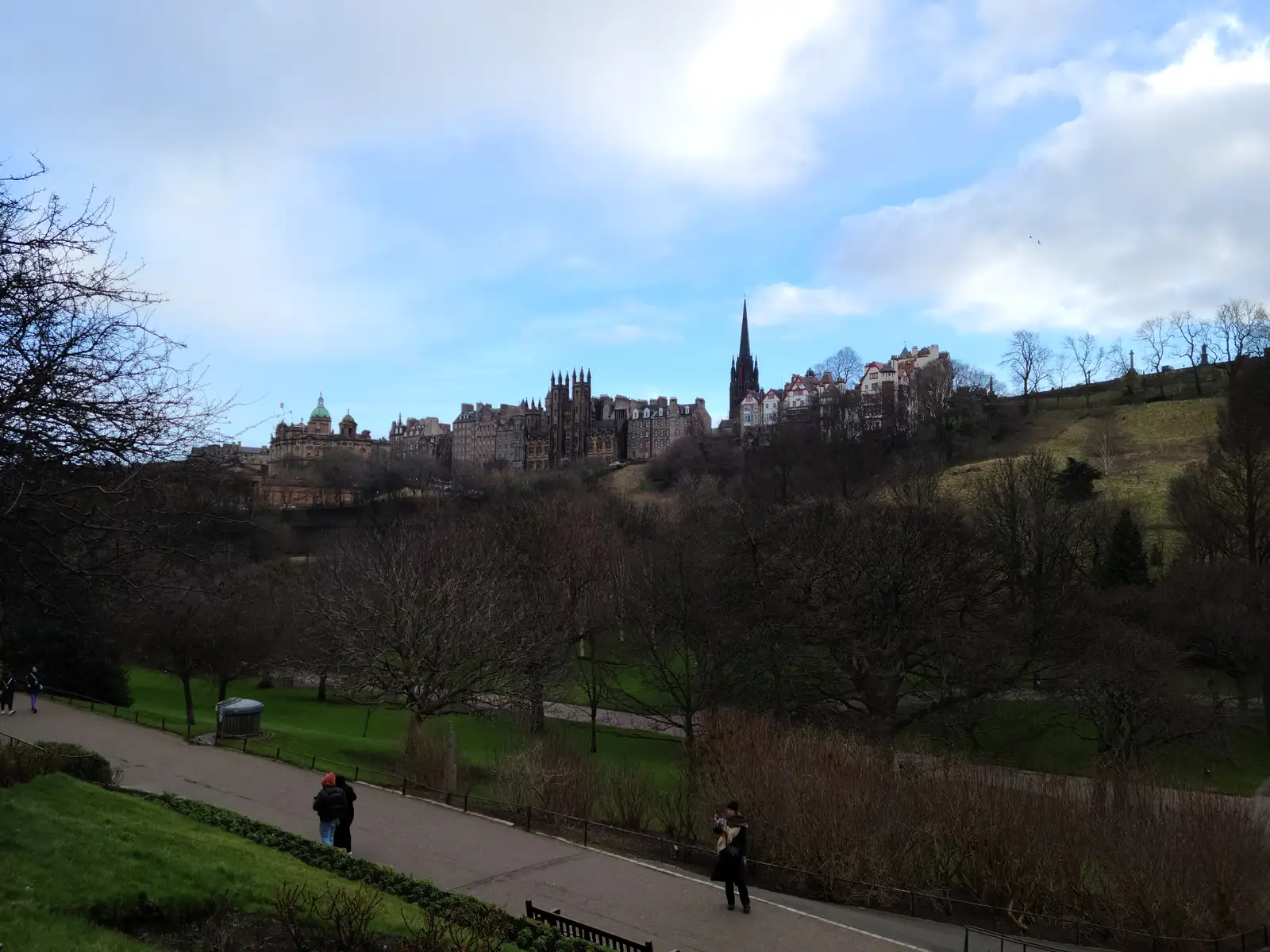
Day 2 shifts to New Town’s Georgian elegance—walk Princes Street Gardens, climb Scott Monument (the world’s second-largest writer’s monument), and catch sunset from Calton Hill’s free panoramas.
Day 3 brings culture: tour Holyroodhouse, explore the National Museum of Scotland, and optionally visit Our Dynamic Earth.
- Dean Village — historic riverside charm and walking paths
- Royal Botanic Garden — glasshouses and garden paths
- Stockbridge — cobbled Circus Lane and independent shops
Day 5 adds maritime history via Royal Yacht Britannia or coastal excursions.
Weather and Daylight: Why You Need Buffer Days
Edinburgh’s weather operates on its own timetable, and that reality should reshape how you budget your days. You’ll encounter the famous “four seasons in one day”—sun, rain, wind, and fog cycling unpredictably. Winter daylight shrinks to just seven hours, compressing your sightseeing window and making every lost hour painful.
Summer stretches to seventeen hours of light but remains cool and rainy, tempting you to overpack itineraries that collapse when storms roll in. Rain falls year-round, with autumn particularly wet. Wind-chill makes coastal walks and hilltop viewpoints miserable or dangerous.
Build contingency into your trip length from the start. When weather kills your outdoor plans, you’ll have time to reschedule without sacrificing other experiences.
Museums Eat Half-Days: Budget More Time Than You Think
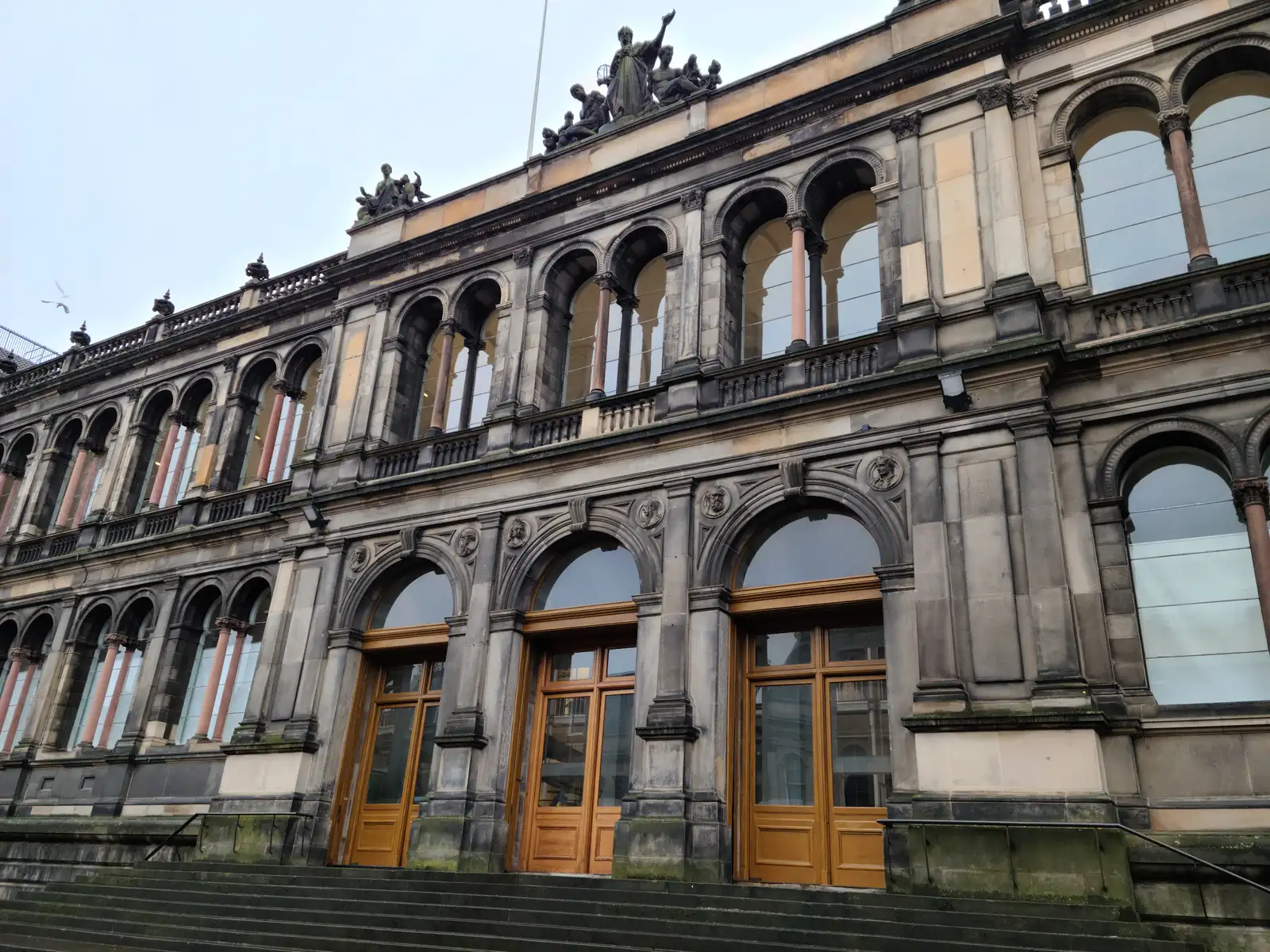
You’ll glance at a museum map, think “two hours, tops,” then stumble out four hours later wondering where the afternoon went. Edinburgh’s museums are deceptively vast. The National Museum of Scotland spans natural history, world cultures, technology, and design—visitors routinely spend 3–5 hours inside.
Free admission encourages leisurely browsing instead of quick passes, and on-site cafés tempt you into extended breaks. Most museums open 10:00–17:00, giving you just a seven-hour window.
- Edinburgh Castle plus museums — 3+ hours for National War Museum and regimental collections
- Scottish National Gallery — 2–3 hours for art enthusiasts
- Security queues and cloakrooms — 30–60 minutes per visit
Translation: each major museum claims half your day. Plan accordingly.
Old Town and New Town Both Need Full Days
Beyond the museum walls, the city’s two historic districts each demand their own spotlight. You’ll need a full day for Old Town’s Royal Mile stretch. Edinburgh Castle alone eats 2–3 hours, then Holyroodhouse Palace adds another two.
Factor in St Giles’ Cathedral, the steep closes, and a ghost tour, and your day’s gone. Don’t rush the cobblestones—those layered streets reveal centuries of vertical history.
New Town deserves equal treatment. The Georgian grid runs deep: Scott Monument, National Gallery, and Calton Hill viewpoints fill morning through afternoon. You’ll want time for Charlotte Square’s Georgian House and Dean Village’s walkway. Add shopping along George Street and dinners in Stockbridge, and you’ve claimed your second full day. Split them properly.
Day Trips Add Days: Rosslyn, Highlands, and St Andrews
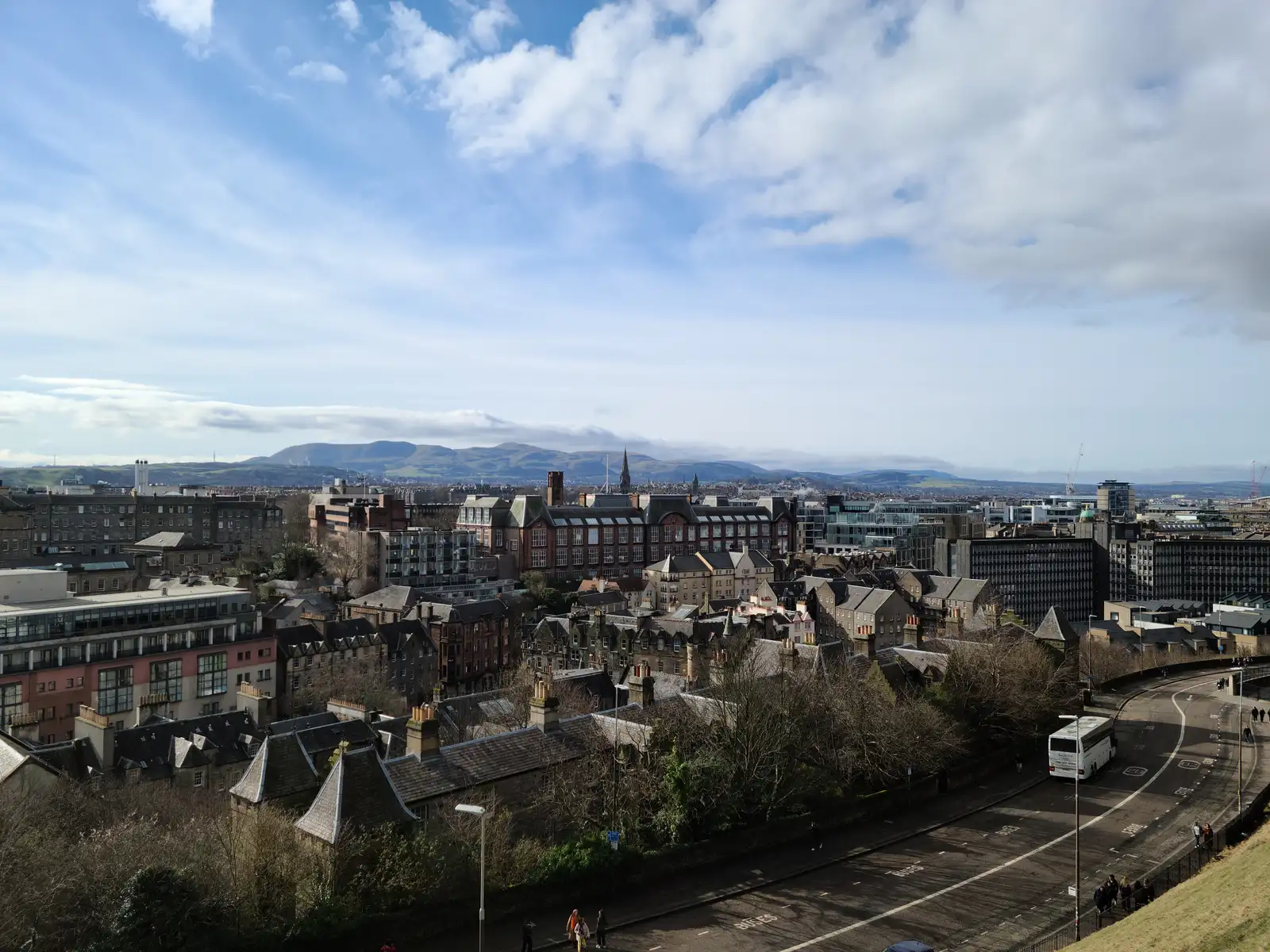
When day-trip temptation strikes, remember each excursion swallows a full day from your Edinburgh total. Rosslyn Chapel sits just 7 miles south but deserves a relaxed half-day minimum—factor in 1.5–2 hours inside, plus extra time for Roslin village and the glen’s walking paths. Highland tours run 10–12 hours, departing early morning and returning by evening. St Andrews demands similar commitment.
- Bus to Rosslyn — 45–60 minutes each way from Princes Street
- Driving to Rosslyn — 17–40 minutes but add parking time
- Cycling to Rosslyn — 30–60 minutes one-way depending on fitness
Rosslyn Chapel has capacity limits that mean spontaneous visits risk disappointment. Add one extra day per major excursion to your Edinburgh stay.
August Festivals: Plan 5–7 Days for Fringe and Beyond
Edinburgh’s August transforms into the world’s largest arts festival, and if you’re visiting during the Fringe you’ll need 5–7 days to experience the mayhem without missing the magic. The Fringe alone delivers 3,800+ shows across 300+ venues—plus the International Festival, Royal Edinburgh Military Tattoo, and Book Festival all run simultaneously.
You’ll realistically catch 2–4 shows daily while leaving room for street performers along the Royal Mile and major sights like the Castle or Arthur’s Seat. Five days gives you 10–15 ticketed performances; seven days lets you mix Fringe comedy with International Festival opera, a Tattoo evening, and author talks.
Longer stays reduce accommodation churn during peak crowds and give you breathing room between queues, venue sprints, and those spontaneous bagpipe encounters that define Edinburgh’s festival season.
Hogmanay Spans 4 Days: How New Year’s Changes the Math
- Dec 29 — Torchlight Procession with 15,000+ torch-bearers forming a “river of fire”
- Dec 30 — Night Afore concerts and warm-up parties in Princes Street Gardens
- Dec 31 — Main ticketed street party, live stages, and midnight fireworks over the Castle
- Jan 1 — Loony Dook cold-water plunge and First Footin’ performances
Since January 2 is a Scottish public holiday, many visitors stretch breaks into long weekends, adding museum visits between the revelry.
Off-Season Edinburgh: Why 2–3 Days Can Be Enough
If you’re visiting Edinburgh between January and March, you can comfortably see the city’s highlights in just 2–3 days. The streets and attractions are noticeably quieter outside peak season, so you’ll spend less time waiting in lines and more time actually exploring.
Plus, hotel prices drop considerably during these months, making a short city break both manageable and budget-friendly.
How Many Days in Edinburgh
Why fight the crowds when you can have Edinburgh practically to yourself? January through February brings the quietest months, with hotel occupancy dropping from summer’s 90% peak. You’ll find better rates too—January to March offers the best value, while August prices skyrocket.
Those 5.41 million overnight visitors concentrate heavily in summer, leaving off-season remarkably calm. A 2–3 day visit lets you explore Edinburgh’s top attractions without the festival frenzy of 4 million August visitors. You’ll experience authentic Edinburgh minus the chaos, spending less while seeing more.
- Hotel rates considerably lower — January to March offers the best value versus the £161.08 daily peak average
- Minimal crowds — No congested transport or stretched services
- Flexible bookings — Same-day tour availability and castle entry without long queues
- Year-round attractions — Museums, galleries, and distilleries stay open for exploration
Off-Season Edinburgh: Why 2–3 Days Can Be Enough
While Edinburgh’s summer festivals draw massive crowds, the city’s off-season reveals a completely different experience—one where 2–3 days gives you ample time to explore without the chaos. Visit between November and February, and you’ll find shorter lines at Edinburgh Castle, flexible same-day booking for tours, and hotels offering their best rates.
January through March delivers exceptional value, since accommodation is your biggest expense here. Yes, daylight hours are shorter and rain is common, but Edinburgh’s compact historic core means you can efficiently hit major sights indoors. Museums, galleries, and distilleries stay open year-round.
You’ll dodge August’s bottlenecks entirely while still catching seasonal events like Bonfire Night or St Andrew’s Day. The savings on lodging alone let you splurge on whisky tastings and upgraded meals.
First-Timer vs Festival-Goer: Match Days to Your Priorities
- First-timers — prioritize landmarks and green spaces, book 3–4 days
- Festival fans — budget extra days for event hopping, plan 5–7 days in August
- Budget travelers — visit off-season when crowds slow everything down, 2–3 days suffices
Book accordingly!
Conclusion
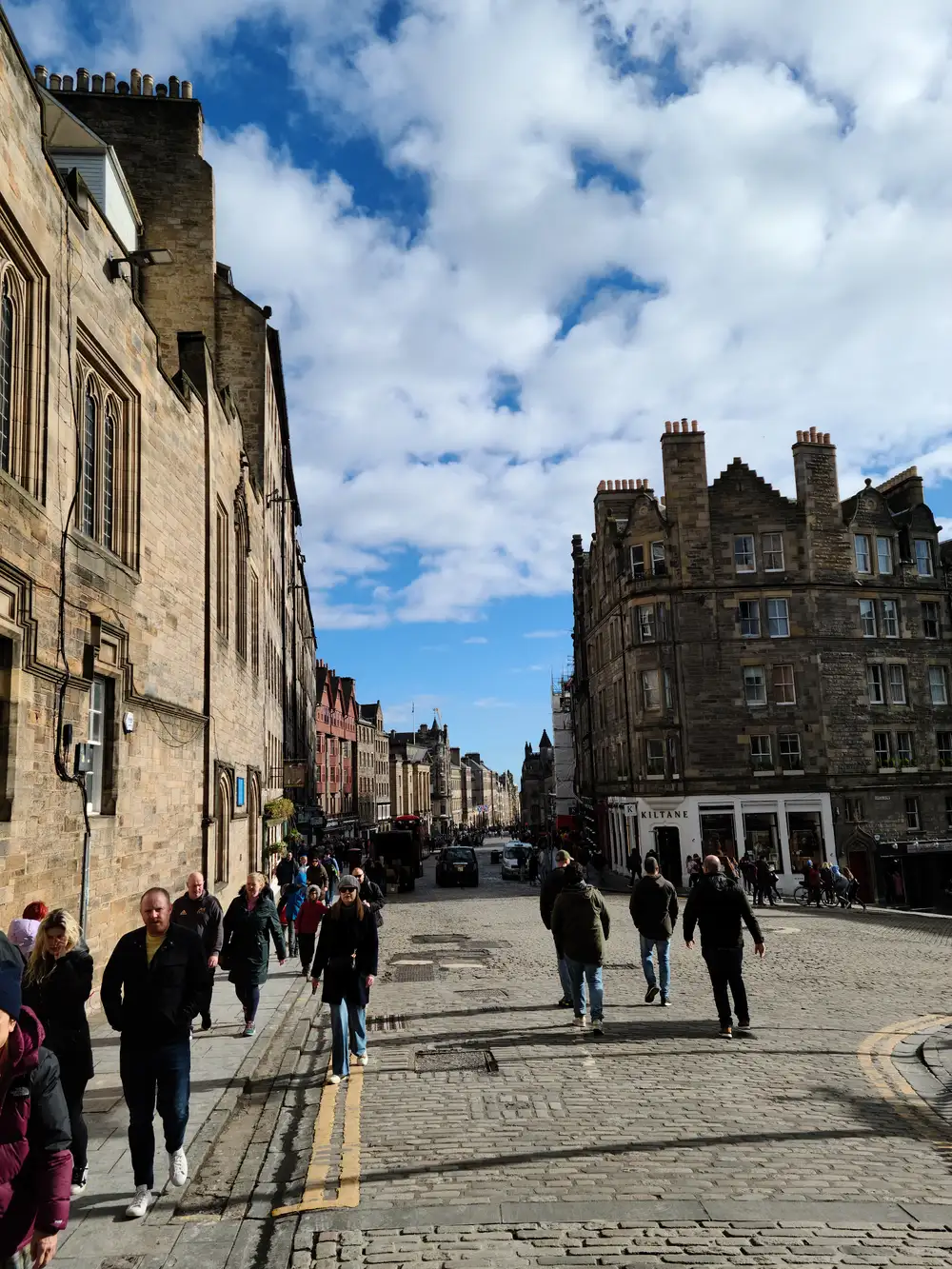
You’ll find your perfect Edinburgh rhythm by matching your stay to your style. Love packed itineraries? Three to four days hits the sweet spot. Festival fanatic? Book a full week during August. Craving a quick city break? Two days still delivers plenty of magic. The best part? Edinburgh’s compact charm means you won’t waste time getting around. Pick your timeframe, pack your walking shoes, and you’re set for an incredible Scottish adventure!