
Bergerac sits less than 90 minutes from Bordeaux, yet only a fraction of that city’s visitors ever bother to stop — and that’s exactly the appeal.
This riverside medieval town pours sweet Monbazillac wines that rival Sauternes at half the price, serves Michelin-starred dinners from €42, and lets you wander 13th-century streets without the crowds.
We came expecting a quick overnight and ended up staying far longer.
Two days is the honest minimum to do it justice, with UNESCO abbeys and bastide villages waiting just beyond.
Here’s why Bergerac earns its place on a southwest France itinerary.
- Plan 2 days minimum in Bergerac’s compact medieval center, with optional day trips to UNESCO sites and nearby bastide villages
- Visit September-October or early June for ideal weather (17-26°C) and fewer crowds than peak summer
- Château de Monbazillac offers sweet wines rivaling Sauternes at half the price, with 13 appellations to explore across the wine route
- Michelin-starred dining starts at €42 (La Tour des Vents) and reaches €98 (Les Fresques), plus excellent local bistros with strong TripAdvisor ratings
- Bergerac Dordogne Périgord Airport sits 3km away with direct bus and taxi access; train and driving are equally convenient options
How Long to Spend in Bergerac: 2 Days or More?
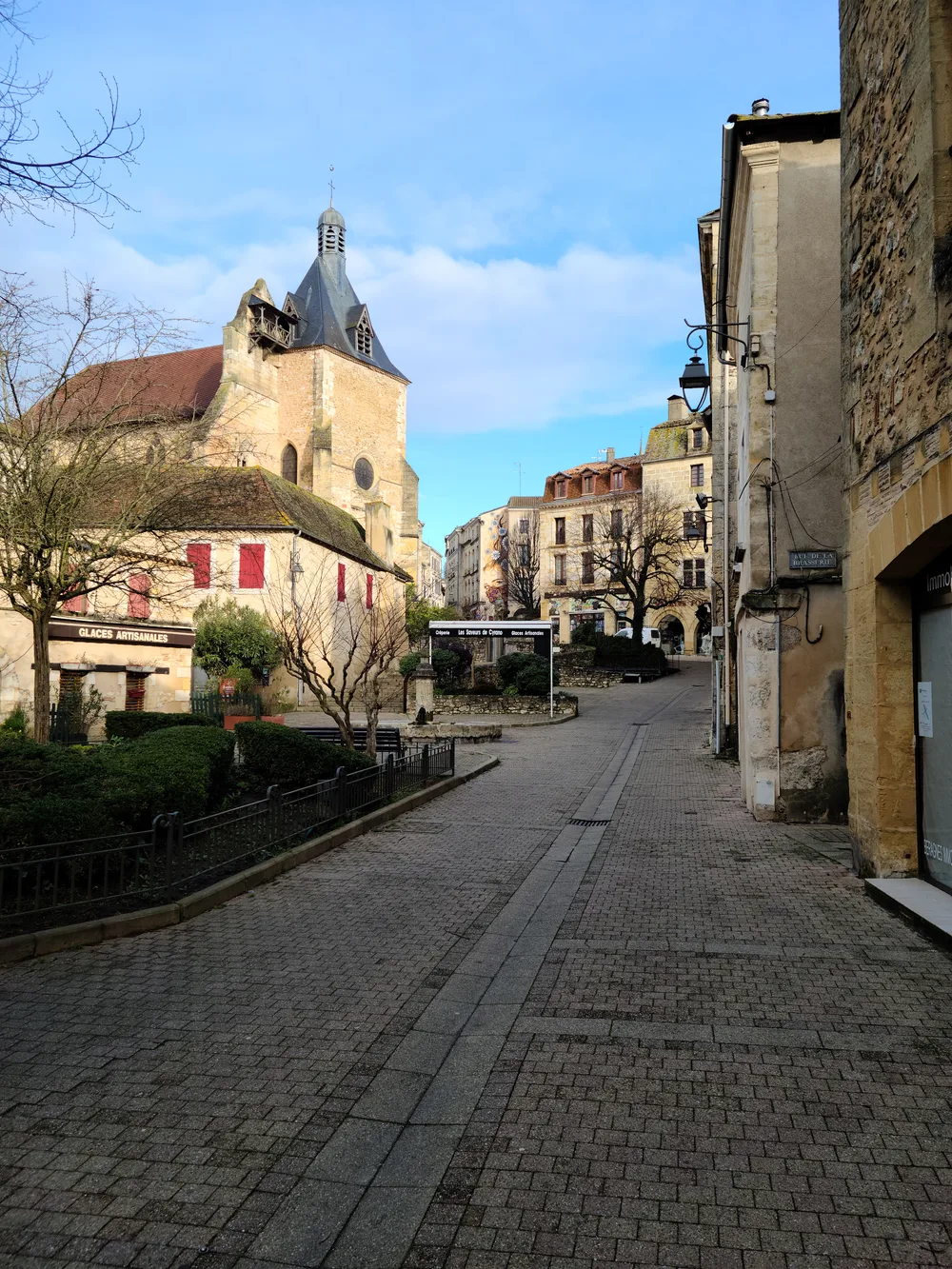
How much time should you carve out for Bergerac? Two days hits the sweet spot. You’ll explore the compact medieval center on day one, wandering pedestrian streets and catching the 30-minute little train tour. Pop into the tourist office for wine tastings that’ll introduce you to local producers.
Day two takes you to Château de Monbazillac for estate tours and tastings at set times—book ahead.
Want more? Add a third day for UNESCO sites like Saint-Avit-Sénieur Abbey or Cadouin’s Gothic cloister. Nearby bastide villages such as Monflanquin sit just 30 minutes away.
The Bergerac Wine Route spans 100 vineyards across 13 appellations if you want to dive deeper into the region’s viticulture. Rent bikes along the Dordogne, hop on gabarre boat rides, or dedicate a full day to wine route exploration. Everything’s walkable downtown, so you won’t waste time driving between attractions.
Bergerac’s Top Attractions: Medieval Squares, River Cruises, and Museums
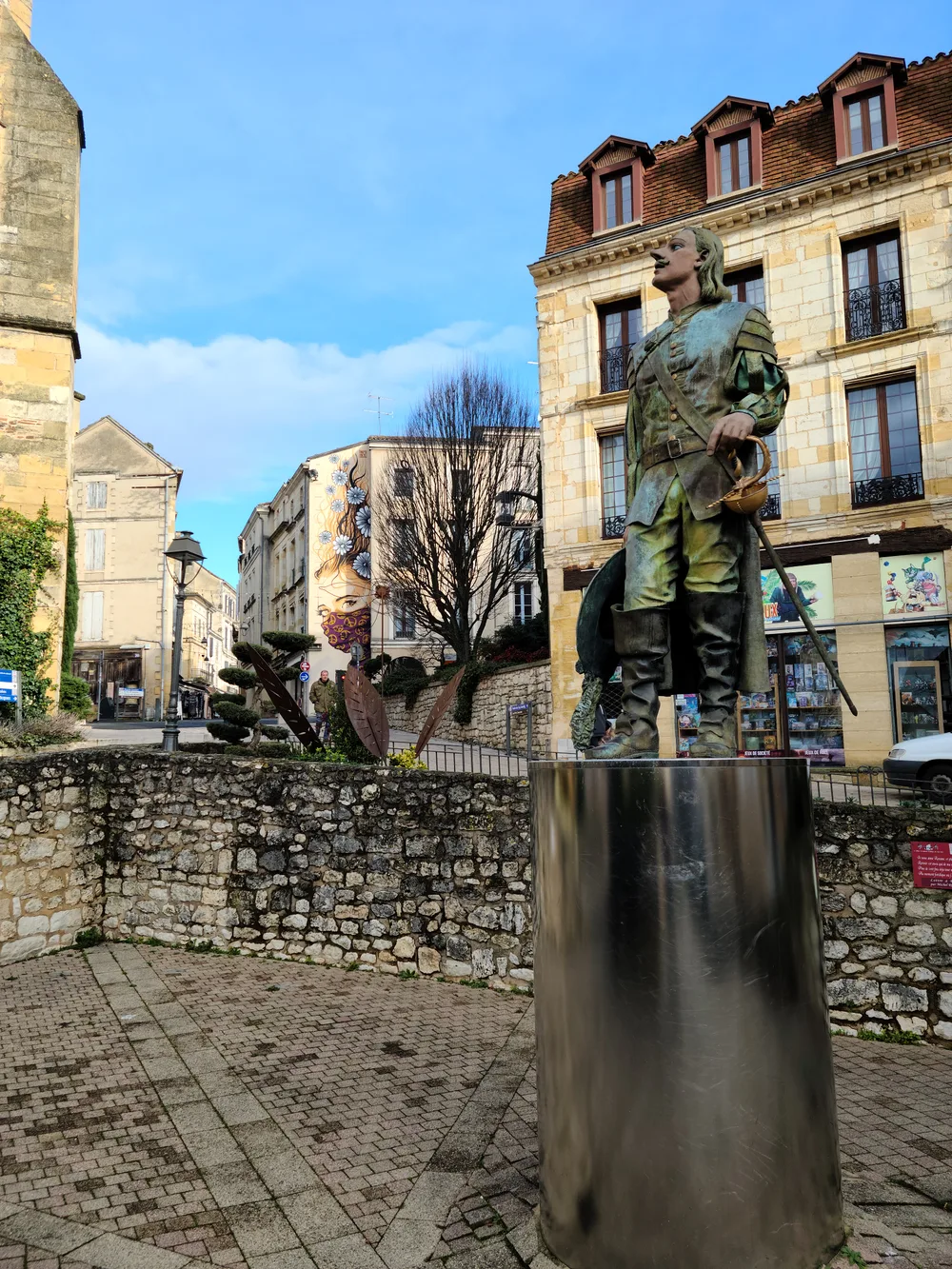
Bergerac’s medieval heart beats strongest at Place Pélissière, where half-timbered houses frame a square bursting with flowers and café tables. You’ll find the Church of Saint-Jacques here, plus an impressive statue of Cyrano de Bergerac.
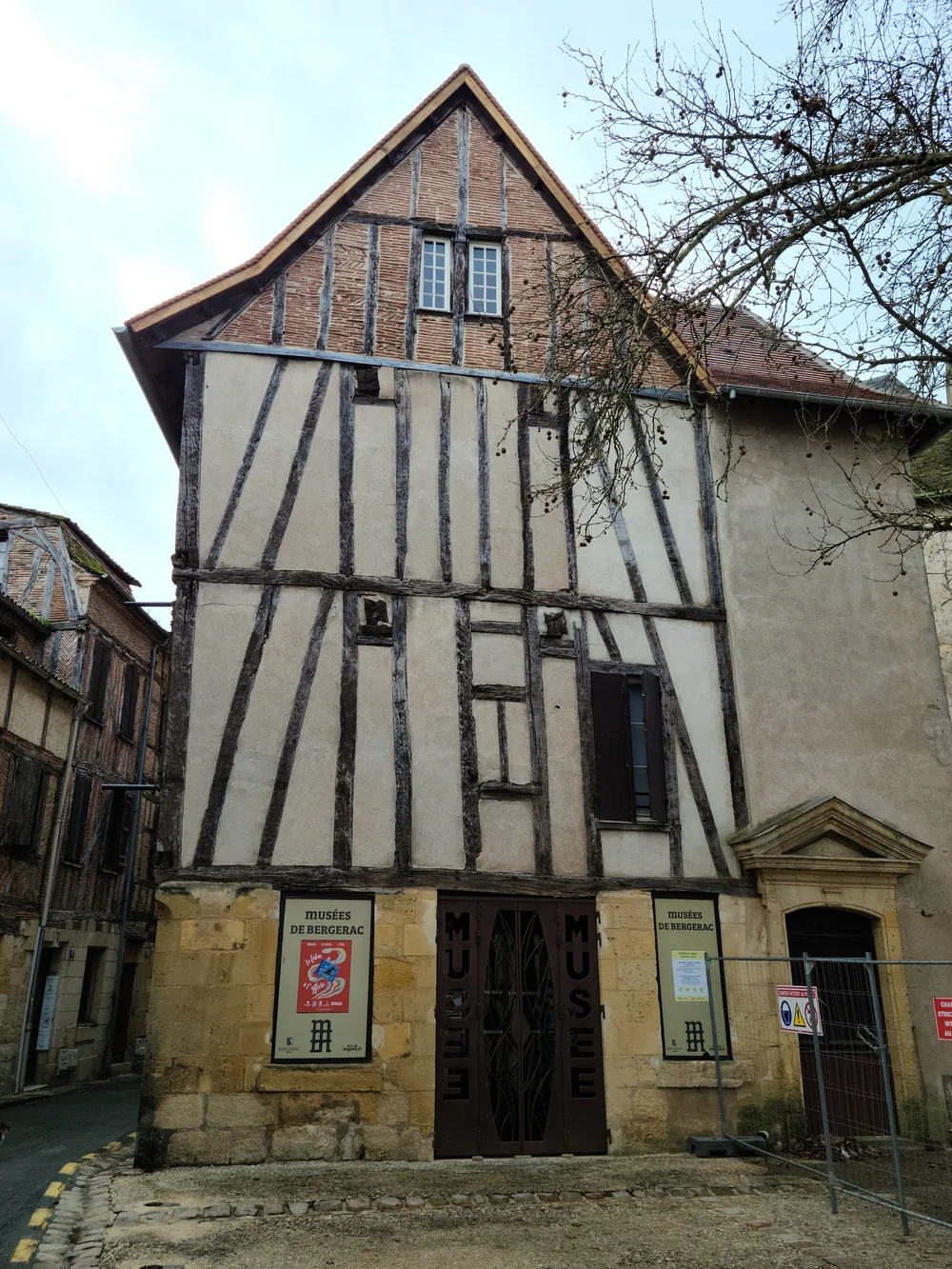
Wander to Place de la Mirpe for shaded medieval streets lined with boatmen’s houses from the 1300s.
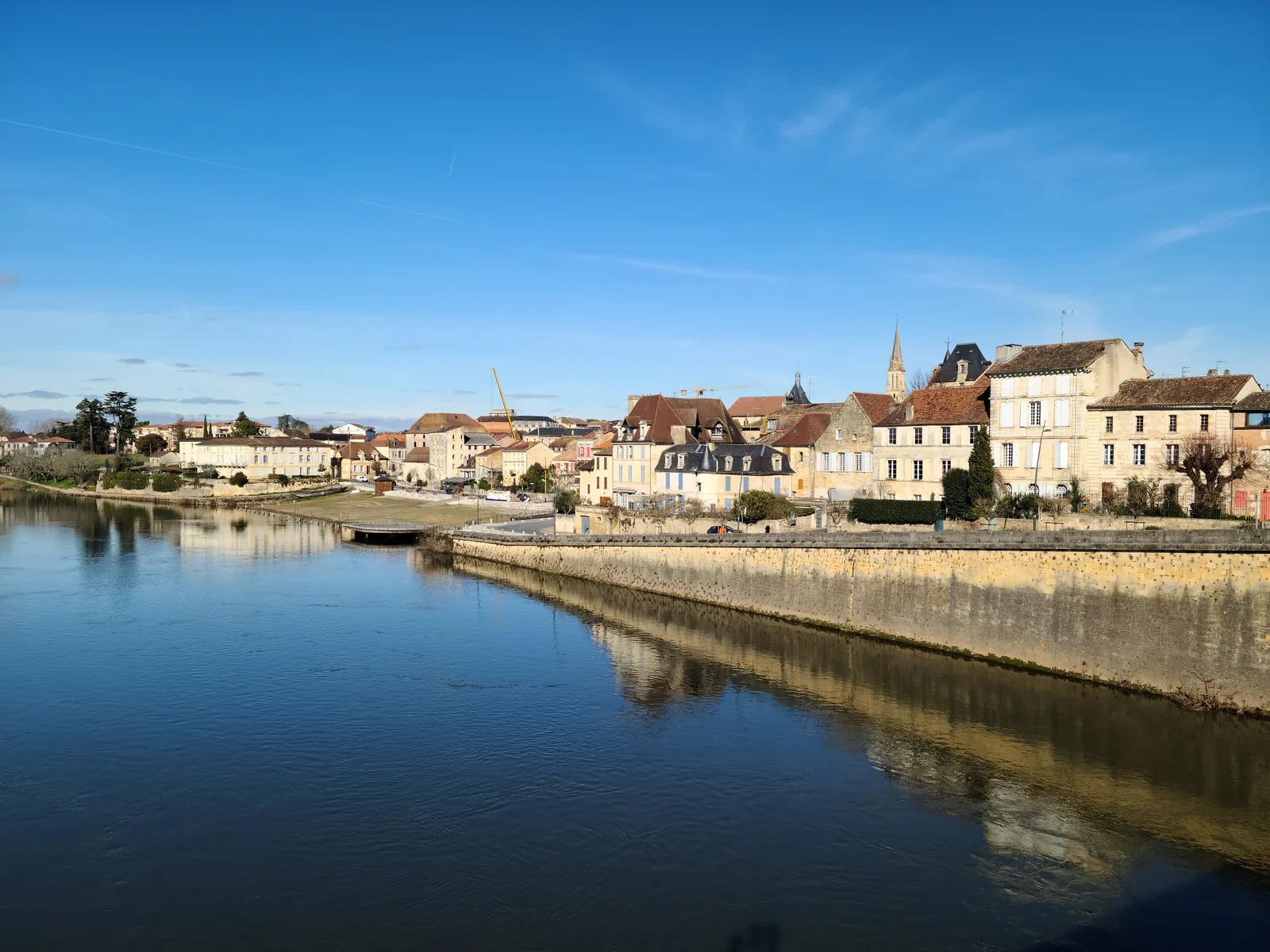
The Dordogne River offers canoeing adventures and stunning photography spots. Don’t miss the quirky Tobacco Museum in Château Henri IV, where you’ll see a pipe bowl sculpting machine.
Wine lovers should head to the 12th-century Maison de Vins cloister for tastings from 13 appellations. The Vinothèque’s “sensorial table” lets you experience wine fragrances. For dessert wines, visit Château de Monbazillac’s 25-hectare estate.
During summer months, a tourist road train operates to take you on tours highlighting various town sites.
Exploring Bergerac’s Medieval Old Town: Pelissière Square to Tobacco Museum
You’ll discover Bergerac’s medieval heart by starting at Place de la Pelissière, where the iconic Cyrano de Bergerac statue stands surrounded by half-timbered houses and sidewalk cafés. From this lively square, you can follow charming cobblestone lanes through 14th-century architecture and past the atmospheric Cloister of the Recollets.
The area’s designation as a “Town of Art and History” reflects its well-preserved medieval character and architectural significance. Your walk culminates at the fascinating National Tobacco Museum, perched atop historic boatmen’s houses and showcasing the region’s surprising tobacco trade heritage.
Pelissière Square Historic Charm
Stepping into Place Pélissière feels like wandering onto a movie set frozen in time. Half-timbered houses frame this charming square, their medieval windows and Renaissance doors showcasing centuries of architectural evolution.
You’ll spot the bronze Cyrano de Bergerac statue striking a jaunty pose at the square’s heart—it’s Bergerac’s most photographed landmark. The statue honors the real 17th-century writer who inspired Edmond Rostand’s famous 1897 play.
A lovely fountain sits at the square’s lower end, once used by locals for washing. Today, cafés and restaurants line the edges, offering perfect spots to soak in the atmosphere.
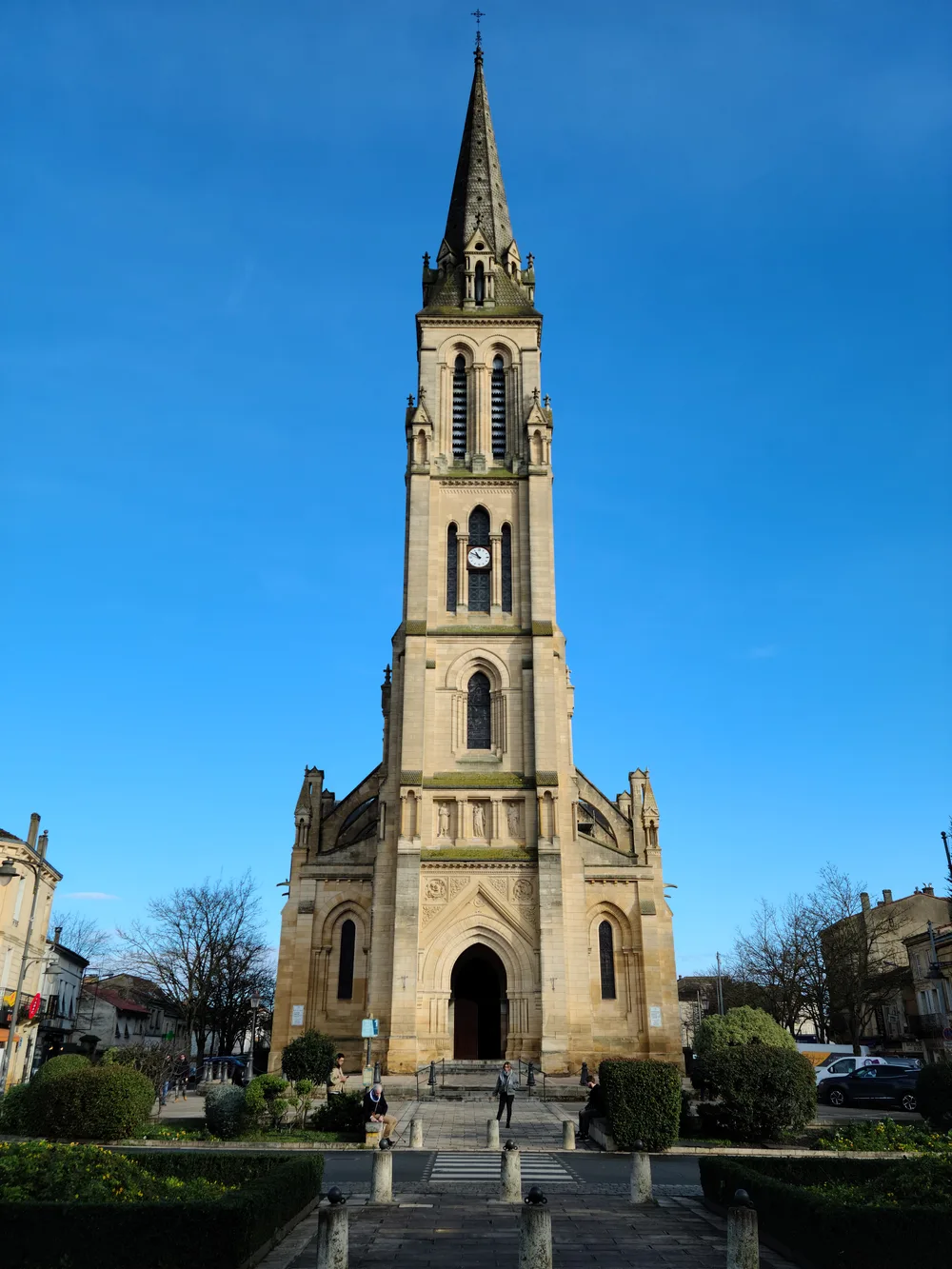
The square truly comes alive during summer’s festive atmosphere, when outdoor dining and warm evenings create an enchanting ambiance. St. Jacques church’s attractive bell-tower crowns the square’s upper edge. Fresh flowers consistently adorn the space, completing this picture-perfect scene.
National Tobacco Museum Highlights
Just a short walk from Place Pélissière, you’ll discover one of France’s most unusual museums tucked inside a stunning 17th-century mansion. The National Tobacco Museum houses over 12,000 artifacts spanning 3,000 years of tobacco history across civilizations.
You’ll explore vintage advertising posters, rare pipes, and processing tools that tell tobacco’s global story. Interactive screens keep things engaging, while the Renaissance architecture of Maison Peyrarède adds visual appeal. The collection covers everything from cultivation methods to cultural impacts across continents.
Entry costs just €4, and you’ll need about an hour to see everything. Most displays are French-only, though reception speaks English. The museum closes for lunch, so plan accordingly.
It’s quirky, surprisingly fascinating, and unlike anything you’ll find elsewhere in France.
Bergerac Wine Tasting: Which Châteaux and AOC Vineyards to Visit
You’ll discover some of France’s most authentic wine experiences right in Bergerac’s surrounding vineyards. The region’s châteaux offer intimate tastings where you can sample everything from crisp Bergerac Blanc to the famous sweet wines of Monbazillac.
Start with renowned estates like Château de Tiregand for exceptional Pécharmant reds or Château Monbazillac for guided tours through its stunning sweet wine terroir.
Renowned Château Tasting Experiences
While Bergerac’s town center charms visitors with its medieval streets, the surrounding châteaux offer something even more memorable—world-class wine experiences in stunning historic settings.
You’ll find Château de Monbazillac tops most travelers’ lists. This 16th-century castle pairs museum exhibits with tastings of their famous sweet wines, starting at just €11.80. The views alone are worth the visit.
For top-rated hospitality, head to Château de Panisseau. Their 5-star reviews highlight exceptional hosts and beautiful grounds—you might even meet Viking, their friendly vineyard dog.
Château Belingard offers seven generations of family winemaking tradition. They’ve produced AOC wines since 1936, showcasing the region’s diversity from crisp whites to complex reds.
Finally, Château de Tiregand specializes in cellar-worthy Pecharmant wines on historic hillside slopes.
Exploring Monbazillac AOC Terroir
Among the finest château experiences stands the Monbazillac AOC, a sweet wine appellation that’s been rivaling Sauternes since 1936—at half the price. You’ll explore 2,000 hectares of vineyards perched on hillsides overlooking the Dordogne Valley, just 10 kilometers from Bergerac.
The terroir’s magic happens each morning when river mist rolls across the slopes, creating perfect conditions for Botrytis cinerea—the noble rot that transforms Sémillon, Sauvignon Blanc, and Muscadelle grapes into liquid gold. You’ll taste remarkable complexity: apple, apricot, and honey notes with invigorating menthol finishes.
Visit the Cave Coopérative de Monbazillac, where 50 vintners produce 28,000 hectoliters annually. You’re experiencing wines that’ve earned Hachette 3-star ratings while discovering why 7 million bottles leave this appellation yearly.
Where to Eat in Bergerac: Michelin Restaurants to Local Bistros
Bergerac’s culinary scene punches well above its weight for a town of its size. You’ll find Michelin-starred Les Fresques at Château des Vigiers, where chef Didier Casaguana creates inventive dishes using local ingredients like blue lobster and foie gras. Expect to pay around €98 per person.
La Tour des Vents in Monbazillac offers Michelin recognition at a more accessible €42 average.
For exceptional value, try Le Bistro d’en Face with its Bib Gourmand designation. Restaurant le Confluence tops TripAdvisor rankings with 4.8/5 stars, while L’Authentik and Le Kristo score 4.7/5.
Most top restaurants require reservations and close certain evenings. The dining scene genuinely rivals larger French cities.
Medieval Day Trips From Bergerac: Monpazier, Eymet, and Issigeac
The medieval bastide towns surrounding Bergerac transport you straight into 13th-century France, with Monpazier standing out as the crown jewel. Founded by Edward I of England in 1284, it’s France’s most intact fortified village with 32 listed Historic National Monuments packed within its walls.
You’ll walk the original grid-pattern streets and explore covered archways surrounding Place des Cornières, where the 13th-century market hall still stands. Visit Thursday mornings for the farmers market that’s been running for centuries.
The pedestrianized center makes exploration effortless, and you’ll find more artisan shops here than in neighboring villages. Don’t miss the nearby Château de Biron for summer classical concerts. It’s worth the 45-minute drive from Bergerac.
When to Visit Bergerac: Best Months for Weather and Fewer Crowds
Planning your trip timing matters just as much as choosing which medieval villages to explore. You’ll find Bergerac’s sweet spot between weather and crowds during specific windows throughout the year.
Your best timing options:
September-October – Picture yourself sipping wine at outdoor cafés in mild 17-25°C temperatures, with fellow tourists already back home and Indian summer sunshine warming the stone streets.
Early June – Imagine 9 hours of daily sunshine, 26°C warmth, and blooming vineyards before peak summer crowds arrive at hotels and restaurants.
Spring (March-May) – Envision exploring riverside walks during comfortable 15-22°C days, though you’ll need an umbrella for April’s frequent showers.
Skip January’s cold 7°C temperatures and December’s 16 rainy days. Summer (July-August) offers perfect weather but brings crowded attractions and inflated accommodation prices.
Getting to Bergerac: Airport, Train, and Driving Directions
Getting to this charming Dordogne town couldn’t be simpler, with multiple transport options landing you right in wine country. Bergerac Dordogne Périgord Airport sits just 3 km south of town, handling 300,000 passengers yearly with flights from Ryanair, Transavia, and British Airways.
You’ll reach the center in 6 minutes by taxi for €15-€18, or take the Line 330 bus for €2.30 (reservation required). The airport connects directly to Bergerac’s SNCF station via bus routes 330, 332, and 333.
If you’re driving, follow Route d’Agen to reach town quickly. Pre-book private transfers through GetTransfer or Bravo Transfers for hassle-free arrivals with flight monitoring included. Uber operates here too, giving you plenty of convenient choices for your journey.
Conclusion
You’ll fall in love with Bergerac’s medieval streets, world-class wines, and authentic French charm. Whether you’re sipping Monbazillac at a château, wandering cobblestone squares, or exploring nearby bastide villages, you’re creating unforgettable memories.
Two days gives you a taste, but you’ll want more. Time your visit for spring or fall, and you’ll enjoy perfect weather with fewer tourists. Don’t wait—Bergerac’s waiting to enchant you with its timeless beauty and genuine Dordogne hospitality.