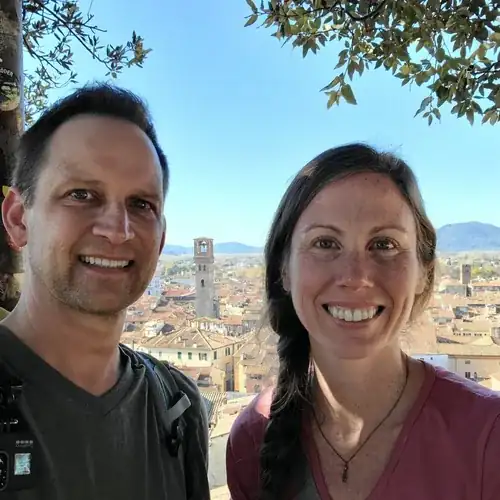
You’re planning your Tuscany trip and facing a classic dilemma: Lucca or Siena?
Both cities wrap you in medieval charm, but they couldn’t feel more different.
One’s flat and ringed by Renaissance walls you can bike along.
The other’s a Gothic hilltown with that famous shell-shaped piazza.
Your choice depends on what kind of Tuscan experience you’re after—and whether you’ve got time to squeeze in both.
Let’s break down what makes each city worth your time.
- Lucca spreads flat across a plain with 4 kilometers of Renaissance walls perfect for cycling, while Siena clings to three steep hills centered around the dramatic Piazza del Campo
- You can reach Lucca by train from Florence in 1 hour 20 minutes or from Pisa in 25 minutes, but Siena requires a bus from its remote station to the historic center
- The two cities are only 90 kilometers apart and can be visited together with buses running 4 times daily in under 2 hours
- Lucca offers day trips to Pisa, Cinque Terre, and beaches, while Siena provides access to Chianti vineyards, Val d’Orcia, and wine estates
- April–May and September–October offer the best weather and smallest crowds, with July and August bringing 95°F heat and Palio festival crowds
- Lucca works better as a multi-day base for families due to its flat terrain and superior transportation connections, while Siena suits wine country exploration
Lucca vs Siena: Walled Renaissance Town or Gothic Hilltown?
When you stand atop Lucca’s tree-lined ramparts, you’re walking a Renaissance fortress reimagined as a public park—but climb Siena’s brick-paved lanes and you’ll feel the Gothic pulse of a medieval hilltown that time nearly forgot. Lucca spreads flat across an alluvial plain, its 16th-century bastion walls wrapping four kilometers of orderly streets and Romanesque churches updated with Renaissance flair.
Siena clings to three steep ridges, its pointed arches and red-brick tower-houses forming a UNESCO-protected Gothic masterpiece. Siena Cathedral stands as the city’s crown jewel, where striped marble columns and pointed arches showcase the verticality and ornamentation that define Gothic architecture.
Lucca’s oval Piazza dell’Anfiteatro echoes Roman origins; Siena’s shell-shaped Campo slopes toward the soaring Torre del Mangia. You’ll find calm, lived-in charm in Lucca’s grid. Siena delivers dramatic verticality, processional grandeur, and Europe’s finest medieval streetscape.
Two Tuscan gems—completely different characters.
How to Get to Lucca and Siena: Trains, Buses, and Proximity to Major Hubs
Getting to these Tuscan gems couldn’t be more different! Lucca’s well-connected train station makes it a breeze to reach from Florence or Pisa in under an hour. Siena, perched high on its hilltop, relies more on buses and cars since its train station sits far below the historic center.
If you’re traveling between Lucca and Siena, buses run approximately 4 times per day covering the 88 km distance in under two hours—book ahead during peak season.
Reaching Lucca by Train
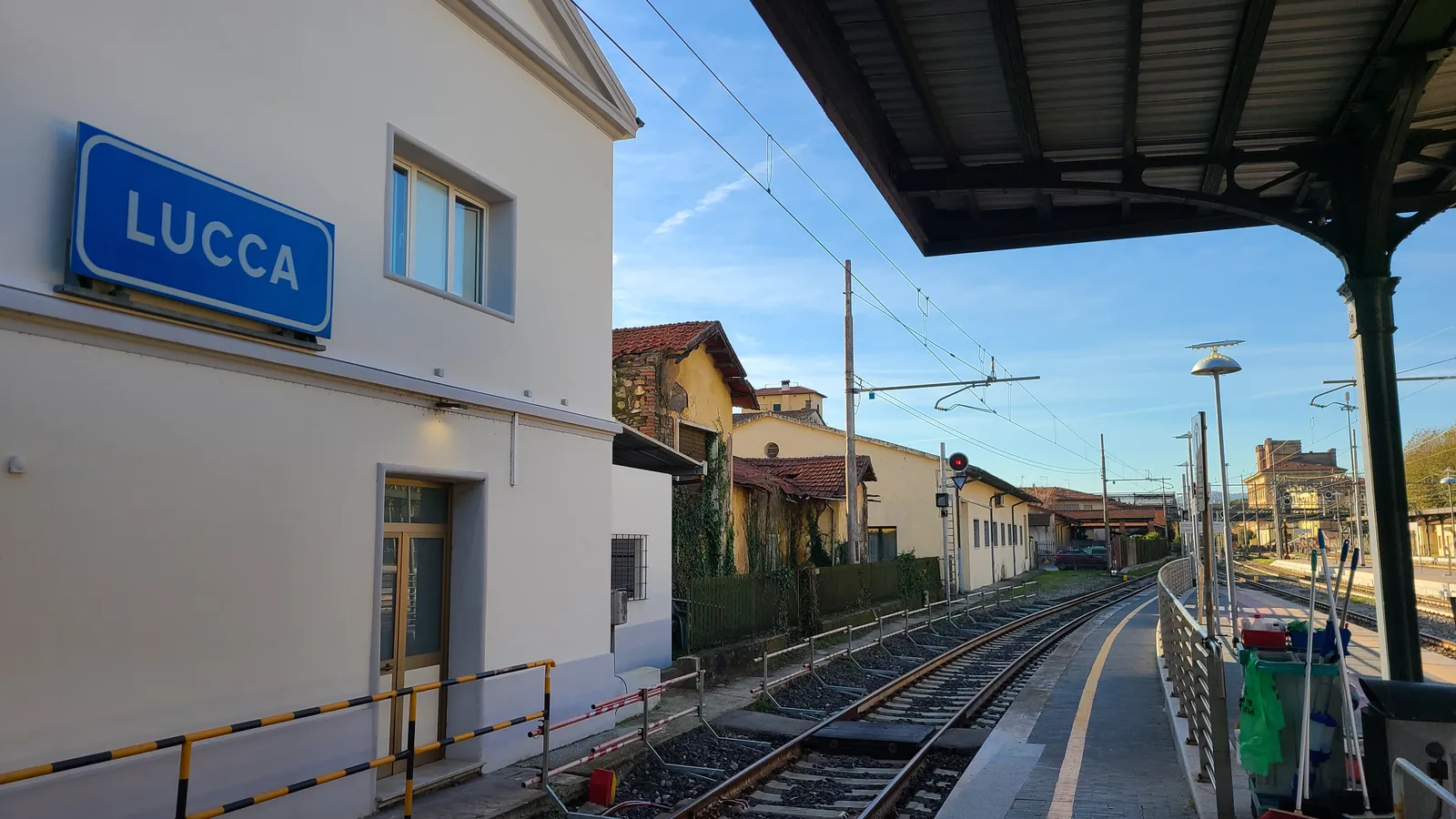
If you’re planning your journey to Lucca, you’ll find the train network makes this walled city pleasantly accessible. You’ll arrive at Lucca’s regional station, which sits just outside the historic walls—only a 5–10 minute walk to the old town.
From Florence SMN, direct regional trains reach Lucca in roughly 1h20–1h40. From Pisa Centrale, you’ll enjoy frequent connections with journey times around 25–30 minutes.
There’s even a direct bus link from Pisa Airport supplementing your rail options. The station itself offers ticket offices, a café, restrooms, and a waiting room. Recent renovations added lifts connecting platforms to the main concourse.
You won’t find luggage storage here, but local buses run from the station to central sights throughout the city. The station features nine tracks serving regional passenger trains, with different tracks designated for specific routes including connections to Pisa, Viareggio, and the Media Valle del Serchio area.
Siena’s Bus and Car Access
Regional coaches link Siena to Rome, Pisa, and coastal towns, with FlixBus adding budget-friendly options. Grab tickets at tabaccherie, validate onboard, and you’re rolling.
For urban travel within Siena, Autolinee Toscane manages the local bus network with routes connecting the train station to central points.
Flat Walls and Bikes vs. Steep Hills and Piazzas: Navigating Each City
You’ll find two completely different walking experiences in these Tuscan cities. Lucca spreads out flat across the Serchio plain, letting you stroll or bike for hours along its famous tree-lined Renaissance walls without breaking a sweat. Siena climbs three steep ridges, so every route to Piazza del Campo or the Duomo means you’re heading uphill or down through narrow medieval streets.
Lucca’s Level Promenade Circuit
Walking or cycling Lucca’s walls feels like gliding along a 4 km racetrack suspended above the city—because that’s fundamentally what it is. The entire circuit wraps around Lucca’s historic center in an almost perfect ring, offering a flat, paved promenade 12 meters high and 30 meters wide at the base. There’s zero gradient—no stairs, no steep climbs, just gentle curves connecting eleven bastions.
You’ll complete the loop in 45–60 minutes on foot or 20–30 minutes by bike. Six main gates connect the walls to city streets via ramps, not staircases, making the route accessible for strollers and wheelchairs.
Cars are banned, so you’ll share the path only with joggers, dog-walkers, and rental-bike tourists. It’s Lucca’s ultimate traffic-free shortcut and recreational space rolled into one elevated ribbon.
Siena’s Vertical Medieval Layout
Unlike Lucca’s flat promenade, Siena sprawls across three hills linked by a Y-shaped street pattern that radiates from the shell-shaped Piazza del Campo. You’ll navigate winding medieval alleys that follow the natural contours instead of straight grids. The hilly terrain wasn’t accidental—planners deliberately positioned streets to maximize winter sunlight while blocking cold Tuscan winds.
You’ll climb steep, curving passages between rose-red brick buildings that create constantly shifting views. The seven-kilometer defensive wall still encircles the 170-hectare historic center, with original fortified gates marking your entry points.
Medieval palazzos line Via di Città and other major thoroughfares, their curved façades shaping dynamic spaces as you walk. Forget bikes here—Siena’s vertical layout demands comfortable shoes and strong legs for exploring its dramatic topography.
Lucca’s Renaissance Walls, Siena’s Gothic Square: Top Sights in Each
Two monuments define the character of these rival cities: Lucca wraps itself in a Renaissance fortress turned park, while Siena unfolds around one of Europe’s most dramatic medieval squares.
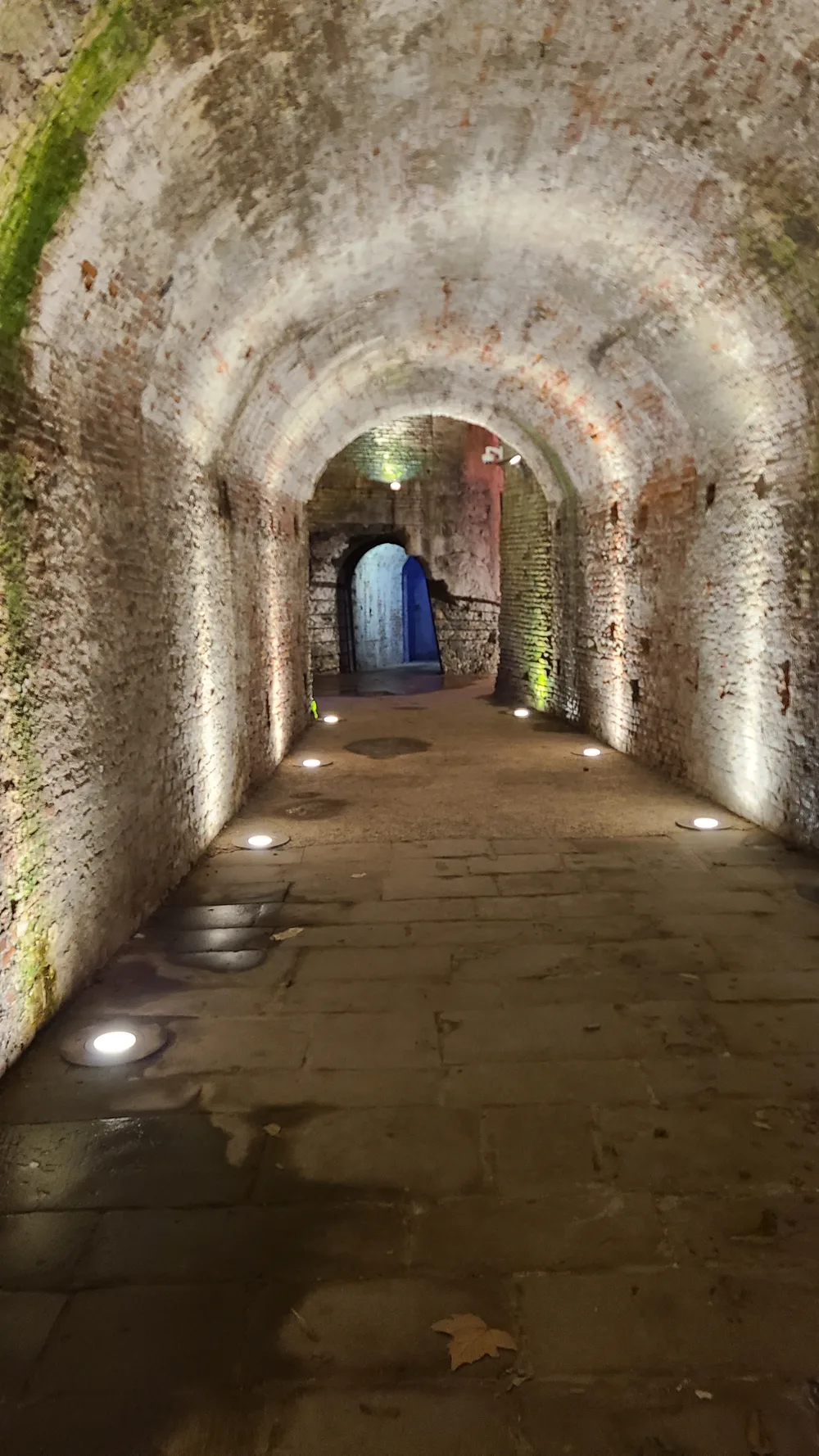
You’ll walk Lucca’s 4-kilometer ring of bastioned walls, built between 1513 and 1645 to resist artillery. These massive ramparts—12 meters high and 30 meters thick—never saw battle but saved the city during the 1812 flood. Today they’re your elevated promenade, shaded by centuries-old oaks and perfect for cycling.
Siena centers on Piazza del Campo, that shell-shaped Gothic masterpiece where the Palio horse race thunders twice yearly. The Palazzo Pubblico and its Torre del Mangia dominate the sloping brick pavement, creating Italy’s most theatrical public space. It’s where medieval urbanism reaches perfection.
Can You Visit Both? Distance, Timing, and Two-City Itineraries
How far apart are Lucca and Siena, really? Just 90 kilometers in a straight line—close enough to visit both in one trip. By car, you’ll cover 108–148 km in about 1.5–2 hours, making it the fastest option.
Trains take longer (around 2h19–2h49) with one or two changes, usually through Pisa or Florence. Buses run directly in 2h10–3.5 hours and often cost less.
A split-stay works beautifully: spend three days exploring Lucca’s walls and towers, then transfer to Siena for three more days around the Piazza del Campo. You can even squeeze a same-day round-trip by car if you start early—though public transport eats up 5–7 hours total.
Want maximum flexibility? Drive, and you’ll enjoy scenic stops throughout Tuscany’s countryside between cities.
Day Trips From Lucca: Pisa, Cinque Terre, and the Coast vs. Day Trips From Siena: Chianti, Val D’orcia, and Wine Country
Which city reveals the day trips you’ll love most? Lucca opens the door to Pisa’s Leaning Tower (25 minutes by train), Cinque Terre’s UNESCO cliffside villages (9–11 hour tours by minivan-train-boat combo), and Versilia’s sandy beaches. You’ll reach Carrara’s marble quarries, Pietrasanta’s sculpture workshops, and flat cycling routes along the Serchio River.
It’s all about coastal scenery, iconic monuments, and Ligurian focaccia. Siena surrounds you with Chianti Classico vineyards, Val d’Orcia’s cypress-lined roads, and hilltop wine estates. You’ll tour cellars, taste Brunello, and photograph rolling hills dotted with medieval villages.
The countryside here defines postcard Tuscany—endless vineyards, olive groves, and Renaissance towns. Choose Lucca for sea, towers, and mountain-to-coast variety. Choose Siena for wine country, agricultural landscapes, and authentic Tuscan terroir.
Both deliver unforgettable excursions.
Which City Makes a Better Multi-Day Base for Exploring Tuscany?
Beyond planning day trips, you’ll want to contemplate which city works best as your home base for an entire Tuscany visit. Lucca wins for families and travelers seeking ease—it’s flat, walkable, and offers consistent charm without overwhelming crowds. You’ll find Pisa Airport just 35 minutes away, plus hourly trains to Florence taking 1 hour 20 minutes.
The station sits conveniently outside the city walls, while Siena’s requires an additional bus ride. Siena’s central location better serves wine country exploration and Val d’Orcia access, but its hilly terrain and parking congestion complicate extended stays.
If you’re planning countryside adventures southward, Siena makes sense. However, Lucca’s relaxed atmosphere, superior transportation connections, and comfortable infrastructure typically make it the stronger multi-day base for most visitors.
When to Visit Lucca and Siena: Palio Crowds, Summer Heat, and Shoulder-Season Sweet Spots
Timing your visit can make or break your Tuscany experience, especially when you’re weighing Lucca against Siena. July and August bring sweltering heat—often hitting 95°F in Lucca—plus massive crowds during Siena’s Palio (July 2 and August 16) and Lucca’s Summer Festival. Hotel prices skyrocket and availability plummets.
April–May and September–October offer comfortable 60s to low 70s temperatures, significantly smaller crowds, and better hotel rates than the peak summer season.
You’ll find the sweet spot in April–May and September–October. Temperatures hover in the comfortable 60s and low 70s, crowds thin out considerably, and prices drop. You can actually enjoy climbing Siena’s hills and cycling Lucca’s walls without melting.
One catch: northern Tuscany around Lucca sees heavy autumn rain, so early fall beats late fall. Spring offers blooming countryside, while early October delivers harvest-season charm with accessible vineyard day trips from either base.
Conclusion
You can’t go wrong with either city—it’s all about what you’re after. Want flat walks, bikes, and easy coastal access? Lucca’s your spot. Craving dramatic hills, medieval vibes, and wine country? Choose Siena. Got time? Visit both—they’re different enough to justify the trip. You’ll experience two incredible sides of Tuscany. Pick based on your pace, interests, and day-trip dreams. Either way, you’re in for something special. Book that ticket and go!