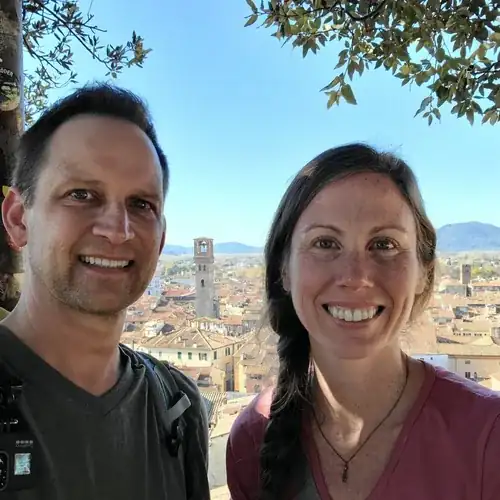
You’ve probably heard Tuscany’s best enjoyed under summer sun, but here’s what most travelers miss: winter transforms this Italian paradise into something completely different—and perhaps better. Imagine wandering Florence’s Uffizi Gallery without shoulder-to-shoulder crowds, sipping Chianti beside crackling fireplaces, and watching morning mist wrap around Val d’Orcia’s rolling hills. Yes, it’s colder and rainier, but those trade-offs reveal experiences summer visitors never see.
Let’s break down what actually happens here between December and February.
- Winter accommodation costs drop 40-50% compared to summer, transforming expensive hotels into affordable luxury stays
- Museum queues virtually disappear from November through March, letting you skip lines at the Uffizi and Accademia
- Sunset arrives around 4 PM with frequent fog in January, requiring strategic planning to maximize daylight sightseeing
- December temperatures range from 10-12°C (50-54°F) during the day, with January being coldest and February offering hints of spring
- Christmas and New Year holidays (December 24–January 6) bring temporary crowd spikes, so plan around these dates for maximum savings and quiet
- White truffles, wild game, and ribollita dominate winter menus, making the season ideal for food-focused travelers
- Abetone ski resort offers 50 km of pistes just 90 minutes north of Florence, with artificial snow guaranteeing consistent conditions
Winter Temperatures, Rain, and Snow: Month-by-Month Breakdown
Tuscany’s winter weather follows a gentle rhythm that’s far milder than you might expect for central Italy. December brings cool, damp days with highs around 10–12°C (50–54°F) and lows near 3–4°C (37–40°F) in cities like Florence. You’ll encounter frequent cloudy periods and about 12 rainy days throughout the month.
January’s the coldest stretch, with temperatures dropping slightly to 9–11°C (48–52°F) during the day. Expect around 13 rainy days and occasional frost inland, though snow rarely sticks in lowland areas.
February offers a hint of spring with temperatures climbing to 11–13°C (52–55°F). You’ll still see about 11 rainy days, but sunshine increases and days grow noticeably longer. Coastal areas stay milder throughout winter, while mountain regions receive regular snow. Winter also delivers many sunny days, though nights turn particularly cold in the hilly regions of Tuscany.
Is Tuscany Worth Visiting in Winter? Pros and Cons
While summer crowds flock to Tuscany’s hilltop towns and vineyards, winter transforms this iconic region into something entirely different—and whether that’s right for you depends on what you’re after.
The Winter Advantage:
- You’ll explore Florence’s Uffizi Gallery and Siena’s museums without crushing lines or reservations
- Accommodation costs drop considerably, letting you afford nicer hotels or extend your stay
- Restaurants have open tables, and you’ll experience authentic local life instead of tourist scenes
- Thermal springs like Saturnia offer magical experiences with fewer crowds
- Christmas markets and festive celebrations add cultural depth
- Evening hours remain lively with locals who engage in the traditional passeggiata and create a cozy atmosphere at cafés
The Tradeoffs:
- Shorter daylight limits sightseeing windows
- Expect frequent rain and temperatures between 35-50°F
- Some coastal spots and seasonal restaurants close
- Beach activities aren’t feasible
Winter suits culture-focused travelers who value authenticity over perfect weather.
How Winter Crowds Compare to Peak Season (and What You’ll Save)
Winter flips the script on Tuscany’s famously packed streets and sky-high prices. You’ll breeze past the Uffizi without those brutal two-hour queues, snag hotel deals that’d make summer travelers weep, and explore Florence or Siena without fighting through shoulder-to-shoulder crowds. Low-cost airlines sweeten the deal further with competitive flight prices during the off-season.
Christmas and New Year bring temporary spikes in both visitors and rates, so time your trip around those holidays if you want maximum savings and elbow room.
Fewer Tourists, Shorter Queues
One of the biggest perks of visiting Tuscany during the colder months is the breathing room you’ll finally have at world-famous sites. You’ll breeze through the Uffizi Gallery and climb the Tower of Pisa without those grueling 2-hour queues that plague summer visitors. Walk through Florence’s streets without battling shoulder-to-shoulder crowds, and explore Siena’s piazzas at your own pace.
- No advance bookings needed for major museums and attractions
- Restaurants seat you without reservations or long waits
- Small countryside hamlets feel authentically empty—sometimes you’re the only visitor
- Tourist traffic drops roughly 14% below peak season levels
- You’ll actually enjoy browsing shops and galleries without constant jostling
This dramatic difference transforms your Tuscany experience from rushed to relaxed. Beyond the crowd benefits, you’ll also notice lower accommodation rates as winter falls within the low season when hotels and vacation rentals significantly reduce their prices.
Lower Accommodation and Rates
Beyond the elbow room at museums and attractions, your wallet gets a serious break when you visit Tuscany in winter. Accommodation prices drop 40-50% during November through March (excluding holidays). That mid-range Florence hotel charging €150-250 per night in summer? You’ll pay considerably less in winter. Budget hotels that cost €80-120 in peak season become even more affordable.
The savings extend everywhere. Countryside villas near Florence drop from €200-400 to half that. Charming bed & breakfasts reduce their €60-100 rates by 40-50%. Even one-bedroom apartments, typically €100-180 nightly in high season, cost significantly less.
Add cheaper airfare from European carriers, and you’ve got serious savings. Food prices stay consistent year-round, so your reduced accommodation costs translate directly into money saved.
Peak Holiday Exceptions Apply
While winter generally delivers blissfully quiet museums and uncrowded streets, you’ll need to plan around two major exceptions: Christmas through New Year’s (roughly December 24–January 6) and Carnival season in February or early March. These windows bring near-peak footfall to Florence, Siena, and Pisa as international visitors combine with local holiday shoppers.
- Epiphany (January 6) creating especially heavy urban traffic in art cities
- Winter sales starting January 3, drawing over 2 million Tuscan shoppers into central shopping districts
- Ski resorts and mountain areas hitting peak-like occupancy during school holiday weeks
- +3.8% winter visitor growth forecast for Italy, driven by international arrivals
- Major festivals and Carnival triggering localized crowd surges in historic centers
Reserve accommodation and museum tickets well ahead during holiday periods to secure availability and better rates.
Florence, Siena, Pisa: Museums Without Summer Crowds
Winter hands you the ultimate museum lover’s gift: dramatically shorter lines at Florence’s Uffizi and Accademia, where you’ll breeze past queues that stretch for hours in summer. You’ll spend your time admiring Botticelli and Michelangelo’s David instead of staring at the back of someone’s head. Most major museums keep their standard hours through winter, though you’ll want to double-check closing days—some smaller sites reduce their schedules in January and February.
Shorter Museum Queue Times
One of the biggest perks of a Tuscany winter trip? You’ll breeze past the museum entrance with almost no wait. From November to March, Florence feels “simply empty” compared to the summer crush of 40,000 daily visitors. The Uffizi and Accademia—normally infamous for their endless lines—become surprisingly accessible.
- Uffizi Gallery sees dramatically reduced crowds from its peak 5 million annual visitors
- Accademia (home to Michelangelo’s David) drops from 2 million yearly visits, mostly concentrated in high season
- Late February offers virtually zero queues at major museums
- You won’t need expensive fast-track tickets or advance reservations
- More time actually viewing masterpieces instead of standing outside
You’ll finally approach David without elbowing through crowds or racing past Renaissance treasures.
Opening Hours and Closures
Fewer crowds mean nothing if the museums you want to see are locked up tight. Winter brings shorter hours across Tuscany—most museums shift to 10:00–17:00 schedules from early November. Florence’s state museums (Uffizi, Accademia) close Mondays, while civic spots like Palazzo Vecchio keep varied daily hours.
Christmas Day shuts down nearly everything except Palazzo Strozzi. Boxing Day reopens major sites with standard winter times. New Year’s Day offers limited options: Palazzo Vecchio (14:00–19:00), Palazzo Strozzi, and Museo Novecento welcome visitors.
Siena and Pisa follow similar patterns—expect afternoon closings and occasional weekday shutdowns at smaller institutions. The upside? First Sundays in January and February grant free admission to state museums.
Always verify current museum schedules before heading out, as winter hours and closures vary by venue.
Chianti and Val d’Orcia: Misty Vineyards and Bare Winter Vines
When morning fog blankets the Chianti hillsides between November and March, you’ll witness a landscape that’s stripped down to its essence—bare vines tracing geometric patterns across amber slopes, medieval stone farmhouses emerging from the mist, and silvery olive groves fading into white. Winter transforms these famous vineyards into something magical. The dormant vines reveal the region’s stunning topography, from the 300-meter valleys producing bold Sangiovese to high-altitude sites at 600 meters where cooler temperatures create elegant wines.
- Medieval stone farmhouses and UNESCO-nominated villa-fattoria estates stand out without summer foliage
- 70,000 hectares of rolling terrain split between 7,200 hectares of vineyards and vast forests
- Dramatic elevation changes between 300-700 meters shape distinct wine characteristics
- Eleven geographical subregions offer diverse landscapes and soil compositions
- Fewer tourists mean intimate winery experiences and unhurried tastings
Snow in the Tuscan Mountains: Abetone Skiing and Winter Hiking
While Chianti’s valleys rarely see snow, drive just 90 minutes north from Florence and you’ll find Tuscany’s alpine secret: the Abetone ski area sprawling across the Apennine ridge at elevations between 1,240 and 1,892 meters. From mid-December to mid-April, you’ll enjoy Central Italy’s largest ski resort with 50 km of pistes—mostly intermediate runs perfect for progressing skiers. Artificial snow on 80–90% of slopes guarantees consistent conditions even in drier winters.
Beyond downhill skiing, you can explore snowshoe trails through forested slopes, tackle Nordic walking routes, or carve turns in Val di Luce’s open alpine bowl. Freestyle riders will find snowparks with rails and kickers. Not a skier? Join guided full-moon hikes to mountain huts for dinner under the stars.
Where Snow Falls in Winter: Tuscany’s Coldest Mountain Zones
Beyond Abetone’s groomed slopes, Tuscany hides several high-altitude zones where snow transforms the landscape each winter. You’ll find the Apuan Alps and Northern Apennines receiving frequent mountain snow from December through March, with peak temperatures dropping to -10°C during cold spells. Monte Amiata, rising above 1,700 meters in southern Tuscany, creates one of the region’s snowiest single peaks surrounded by beech forests that preserve snow on north-facing slopes.
- Garfagnana ski areas at Careggine and Casone di Profecchia, offering alpine runs through chestnut woods
- Lunigiana’s Passo Due Santi–Zum Zeri with 8–25 km of easy-intermediate pistes
- Casentino region in eastern Tuscany with reliable annual snowfall
- Acquerino-Cantagallo Nature Reserve covering 1,726 hectares of snowy upland terrain
- San Pellegrino in Alpe — one of Tuscany’s highest villages with scenic winter trails
Winter Tuscan Cuisine: Truffles, Game, and Ribollita
Tuscany’s winter magic extends far beyond its snowy peaks into the warmth of trattorias and farm kitchens, where the season’s cold transforms the regional table into something extraordinary. You’ll find white truffles from San Miniato shaved over tagliatelle and fried eggs from October through December, their aroma mingling with butter and pecorino. Wild boar stews and pappardelle alla lepre—rich hare ragù over wide egg noodles—anchor game-centric menus that pair beautifully with structured Tuscan reds.
But it’s ribollita, the “queen of winter tables,” that defines the season: stale bread layered with cannellini beans, black kale, and vegetables, then reboiled until thick and soul-warming. This rustic-meets-luxury balance is winter Tuscan cooking at its finest.
Christmas Markets and Festive Celebrations Across Tuscany
Florence transforms into a winter wonderland during the holidays, with artisan markets sprinkled across historic squares selling handcrafted gifts, local food specialties, and glittering decorations. You’ll find the festive atmosphere peaks during the traditional Epiphany celebrations on January 6th, when the city honors the Three Wise Men with parades and special events. The combination of Renaissance architecture draped in twinkling lights and bustling market stalls creates an unforgettable holiday experience you won’t want to miss.
Florence’s Festive Market Highlights
When temperatures drop and the landscape turns misty, Florence transforms into a living Christmas card, with wooden chalets, twinkling lights, and the scent of mulled wine filling its medieval squares. You’ll find the city’s main Christmas magic at Piazza Santa Croce, where Florence’s largest market runs from mid-November through December 21. German-style stalls sell bratwurst, gingerbread, and handcrafted ornaments daily from 10:00 to 23:00.
- Piazza Santa Maria Novella’s CHRISTMArs market (Dec 6–21), showcasing artisan crafts
- F-Light Festival (Dec 7–Jan 7), projecting artistic shows onto the Duomo and Palazzo Vecchio
- Christmas tree lighting ceremony in Piazza del Duomo on December 6 at 18:00
- City lights illuminating nightly from December 8 to January 6, 17:30–24:00
- Weekend neighborhood markets featuring local artisans throughout the historic center
Traditional Epiphany Celebrations
By January 6, Tuscany’s festive season reaches its enchanting finale with Epiphany, a national holiday that blends religious reverence with one of Italy’s most beloved folk traditions. You’ll find La Befana—a kindly witch on her broomstick—swooping into town squares across the region, often “rescued” by local fire brigades who lower her dramatically from towers to cheering crowds. Markets transform into Epiphany fairs brimming with sweets, Befana stockings, and last-chance festive finds, while families enjoy treasure hunts, tombola games, and live performances.
Rural wine estates in Chianti host special Epiphany lunches pairing four-course Tuscan feasts with local wines. Churches celebrate with solemn masses commemorating the Magi’s visit, and historic centers keep their lights twinkling specifically for this magical closing celebration.
Planning Around Rain, Fog, and 4 PM Sunsets
Winter’s shorter days and unpredictable weather don’t have to derail your Tuscan adventure—they just mean you’ll need to pack smart and plan strategically. With sunset arriving around 4 PM and fog blanketing Florence for roughly 26 days in January, you’ll want to maximize daylight hours. Schedule outdoor activities between mid-morning and mid-afternoon when visibility’s best and fog typically clears.
Book morning museum visits before afternoon fog rolls in, and plan indoor cultural activities for late afternoons when daylight fades quickly.
- Pack waterproof layers for January’s 6+ rainy days and frequent precipitation
- Head to southern coastal areas like Grosseto for milder weather and less rainfall
- Check daily forecasts and maintain flexible itineraries for weather adjustments
What’s Actually Open on Tuscany’s Winter Coast
Wondering if Tuscany’s coastal towns turn into ghost villages once summer ends? Not quite. Larger centers like Livorno and Viareggio keep core infrastructure humming—supermarkets, pharmacies, trattorie, and cafés stay open for locals. You’ll find seafood restaurants along Livorno’s working port serving cacciucco all winter, and promenades like Viareggio’s Passeggiata remain perfect for uncrowded walks.
Smaller resort towns do get sleepy. Beach clubs shut down, sunbeds disappear, and many hotels close until spring. You’ll face weekend-only openings at rural osterie and reduced hours at gelaterie.
The upside? Beaches stay free and accessible, pine forests welcome hikers and cyclists, and historic districts remain explorable. Holiday periods—especially Viareggio’s Carnival—briefly reverse closures, filling streets with pop-up food stands and festive energy.
Packing List: Layering for 3–13°C Days and Freezing Nights
Tuscany’s winter temperatures swing dramatically—you’ll step out into crisp 3°C mornings that climb to mild 13°C afternoons, then plunge again once the sun sets. Smart layering keeps you comfortable through these fluctuations without hauling multiple outfits.
Your core system should include:
- Thermal base layers (merino or synthetic tops and leggings) that wick moisture under everything
- Wool sweaters and cardigans as your primary insulation—easy to remove when ducking into heated museums
- Waterproof insulated coat for main outerwear, plus a packable down jacket for extra warmth
- Waterproof boots with wool socks to handle wet cobblestones and unheated stone buildings
- Scarf, beanie, and gloves for freezing evenings, all compact enough to stuff in your daypack
Pack versatile pieces that work together rather than single-purpose items.
Conclusion
You’ll find Tuscany’s winter magic lies in its quiet cobblestone streets, steamy bistros, and landscapes wrapped in fog. Sure, you’ll need extra layers and flexibility with shorter days, but you’re trading tour buses for authentic moments. Pack smart, embrace the chill, and don’t let a little rain stop you. Whether you’re sipping Chianti by a fireplace or wandering empty museum halls, winter Tuscany rewards travelers who venture beyond peak season’s predictable rhythms.