
You’ve probably overlooked Bergerac while planning your French wine adventure, but here’s what you’re missing: authentic tastings at family châteaux for half the price of Bordeaux, medieval villages where winemakers still greet you at the cellar door, and sweet Monbazillac that’ll change how you think about dessert wines. The best part? You won’t find tour buses clogging these vineyard roads.
Let’s explore why this under-the-radar region deserves your attention.
- Half-day Bergerac wine tours start under €100 compared to Bordeaux’s €112–€182, delivering 40–50% savings across all tour categories
- The average Bergerac cellar tour with wine tasting costs just €29, with many châteaux offering free or €10 entry fees
- Three signature wine villages—Eymet, Issigeac, and Saussignac—each offer distinct medieval charm and specialized tasting experiences
- Monbazillac sweet wines rival Saussignac in quality, featuring honey and apricot complexity from noble rot at a fraction of premium dessert wine prices
- Family-run estates like Château de Tiregand offer free courtyard tastings and guided tours with cheese pairings just 10 minutes from town
- The region’s five-château circuit requires only 40 minutes of driving, making private tastings accessible for afternoon adventures
- Pécharmant and Côtes de Bergerac reds age beautifully for 5–10 years, rewarding patient collectors without Bordeaux’s premium markups
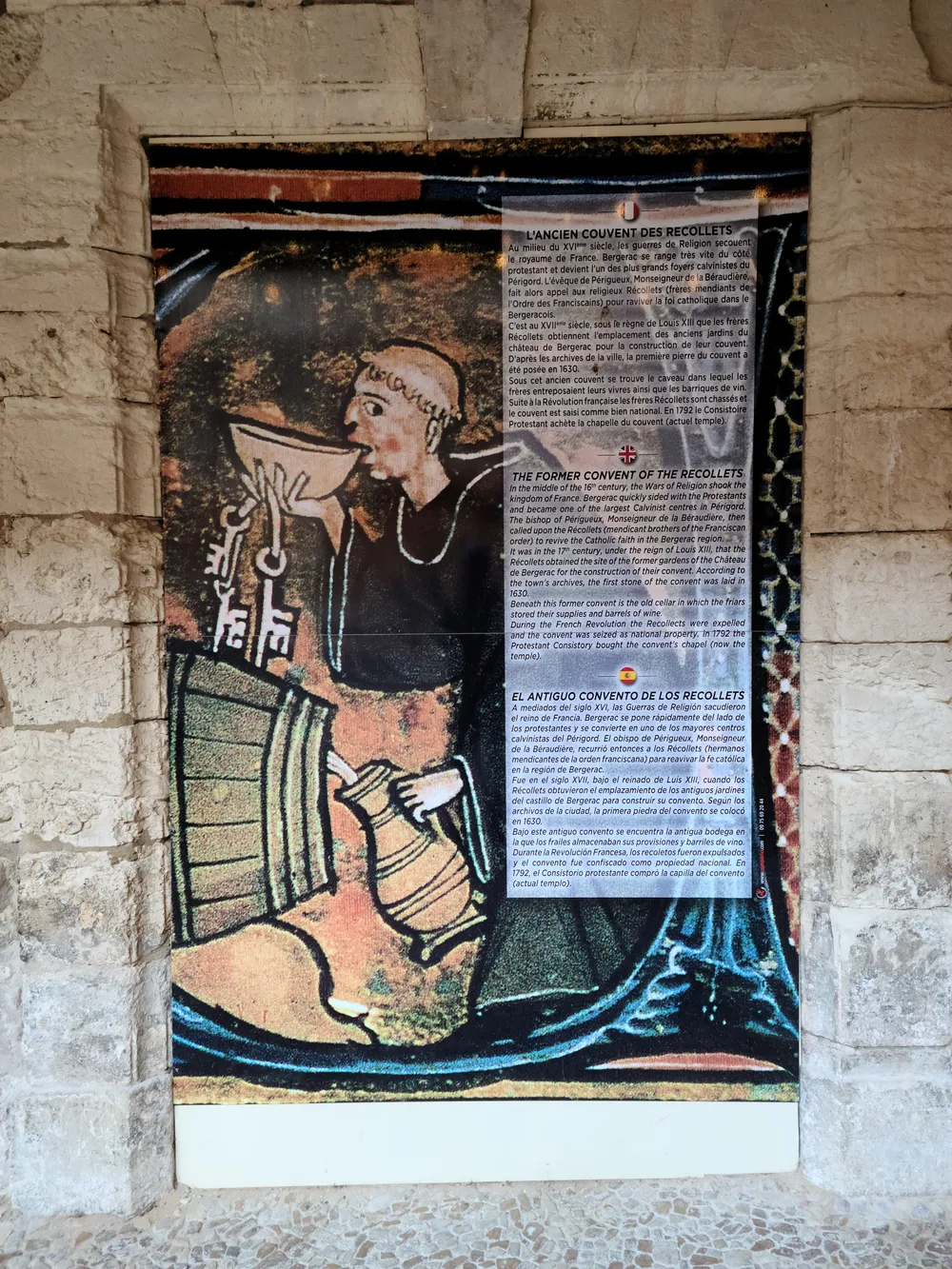
Why Bergerac Wine Tours Cost Half What Bordeaux Charges
Bergerac wine tours consistently run 40-50% cheaper than their Bordeaux counterparts, and the savings are dramatic across every tour category. You’ll find half-day Bergerac experiences starting under €100, while Bordeaux’s begin at $112 and climb to $182.
Full-day tours? Bergerac keeps you under €100 versus Bordeaux’s $211+ pricing. The cost gap stems from Bergerac’s family-run operations and minimal overhead. You’re visiting organic producers without the Grand Cru prestige premiums that inflate Bordeaux prices.
Many Bergerac châteaux offer €0–€10 entry with self-guided options, while Bordeaux’s high-demand appellations like Saint-Émilion command premium fees. The average cost in Bergerac is just €29.00 for a cellar tour with wine tasting.
You won’t find luxury add-ons like hotel pick-up or air-conditioned vehicles, but you’ll enjoy authentic tastings without the tourist-volume markup that drives Bordeaux’s pricing skyward.
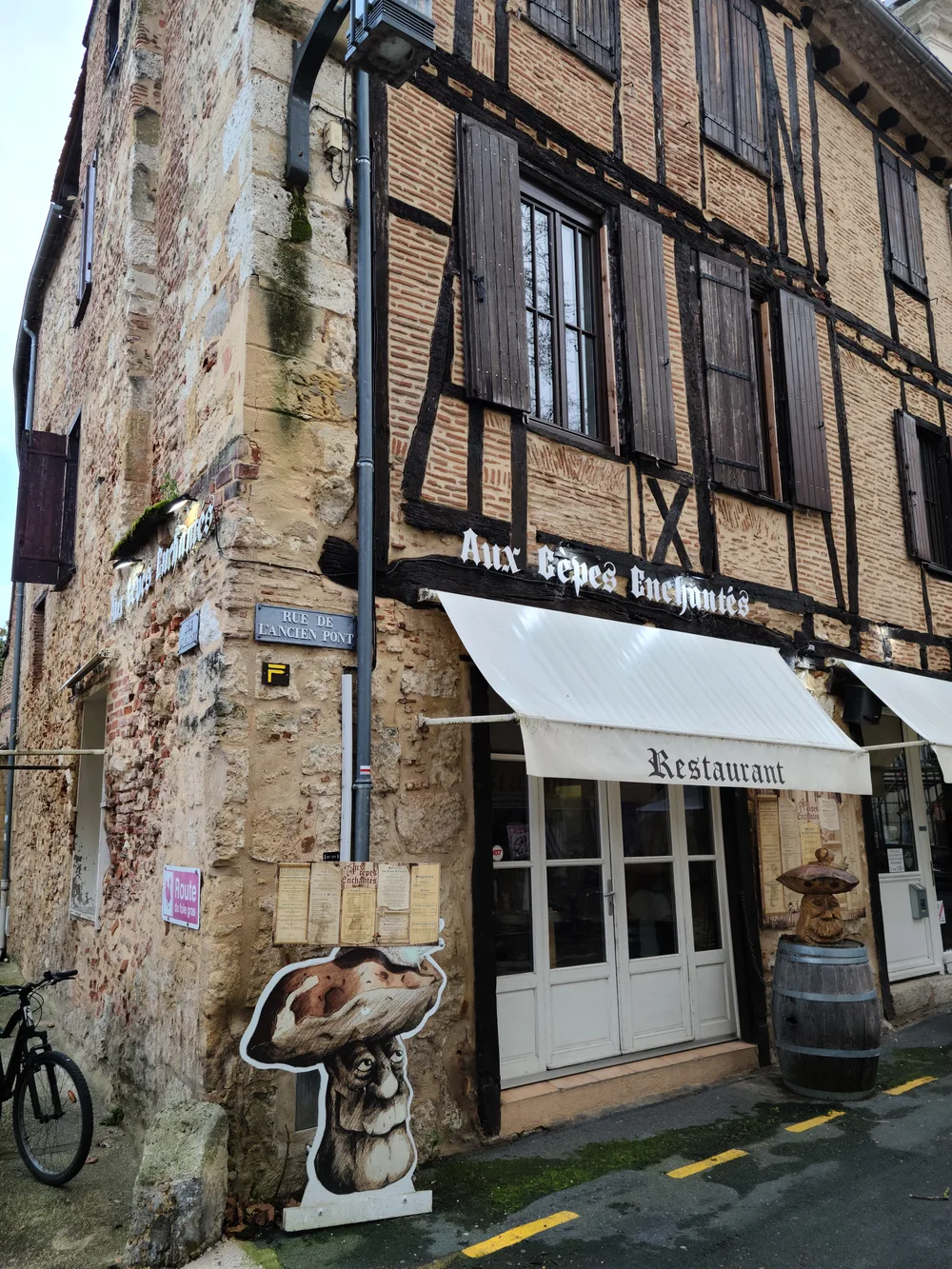
Best Bergerac Wine Villages: Eymet, Issigeac, and Saussignac
You’ll discover three distinct wine villages that each bring something special to your Bergerac tasting adventure. Eymet draws you in with its medieval marketplace and centuries-old wine traditions, while Issigeac captivates with its perfectly preserved bastide town center and Sunday market buzz.
Saussignac completes the trio as the region’s sweet wine capital, where producers craft luscious dessert wines that rival Monbazillac’s finest. The region’s clay-limestone and boulbènes soils contribute to the distinct character of wines across these villages, creating terroir-driven expressions that set them apart from their Bordeaux neighbors.
Eymet’s Medieval Wine Heritage
Nestled 20 kilometers south of Bergerac, Eymet stands as one of the Dordogne’s most enchanting bastide towns, where medieval architecture and wine heritage blend seamlessly. Founded in 1270 by Alphonse de Poitiers, this fortified town features straight roads leading to its arcaded central square—a classic bastide layout that’s surprisingly retained its original castle.
You’ll discover Eymet’s strategic importance during the Hundred Years War, when it changed hands repeatedly between English and French forces. The region produces wines from similar grape varieties as Bordeaux, creating excellent red, white, and rosé expressions.
Today, its wine legacy thrives through:
- Opéra Vinalis Cave d’Eymet — offering access to Bergerac’s 13 AOC wines
- Historic River Dropt — where gabarres once transported wine barrels downstream
- Organized wine tours — departing directly from town to nearby château estates
Issigeac’s Bastide Architecture Charm
Just 10 kilometers east of Eymet, Issigeac presents a striking contrast to its bastide neighbors—instead of orderly grids, you’ll find a delightful maze of winding medieval streets that circle around ancient fortification walls. This 13th-century village earned its “Petite Cité de Caractère” designation in December 2024, and you’ll immediately see why.
Half-timbered houses with intricate carvings line narrow alleyways, creating perfect photo opportunities at every turn. Don’t miss the Maison des Têtes with its carved heads, or the imposing 17th-century Bishops’ Palace flanked by brick towers.
The gothic church of St. Felicien anchors the town center. Visit Sunday morning for one of Dordogne’s best markets, then explore artisan shops and sample regional cuisine at local restaurants before heading to nearby vineyards.
During July and August, return on Thursday evenings for the atmospheric night-time market offering local dishes like foie gras and crêpes with outdoor dining.
Saussignac’s Sweet Wine Specialty
The picturesque hillsides of Saussignac hide one of Bergerac’s best-kept secrets—ethereal sweet wines that rival their famous neighbor Monbazillac. This tiny AOC, established in 2005, covers just 30 hectares across four communes where 15 mostly organic winegrowers craft elegant dessert wines through meticulous hand-harvesting.
You’ll discover producers making fewer than 2,000 bottles annually, selecting only noble rot-affected grapes through successive tries. The northern-exposed slopes catch Dordogne valley mist, creating perfect conditions for Botrytis cinerea to work its magic on Sémillon, Sauvignon, and Muscadelle grapes.
- Strict production standards — requiring 12-month aging and manual harvest
- Limestone-clay terroir — rich in minerals creating balanced, honeyed wines
- Intimate tastings — at small family estates practicing organic viticulture
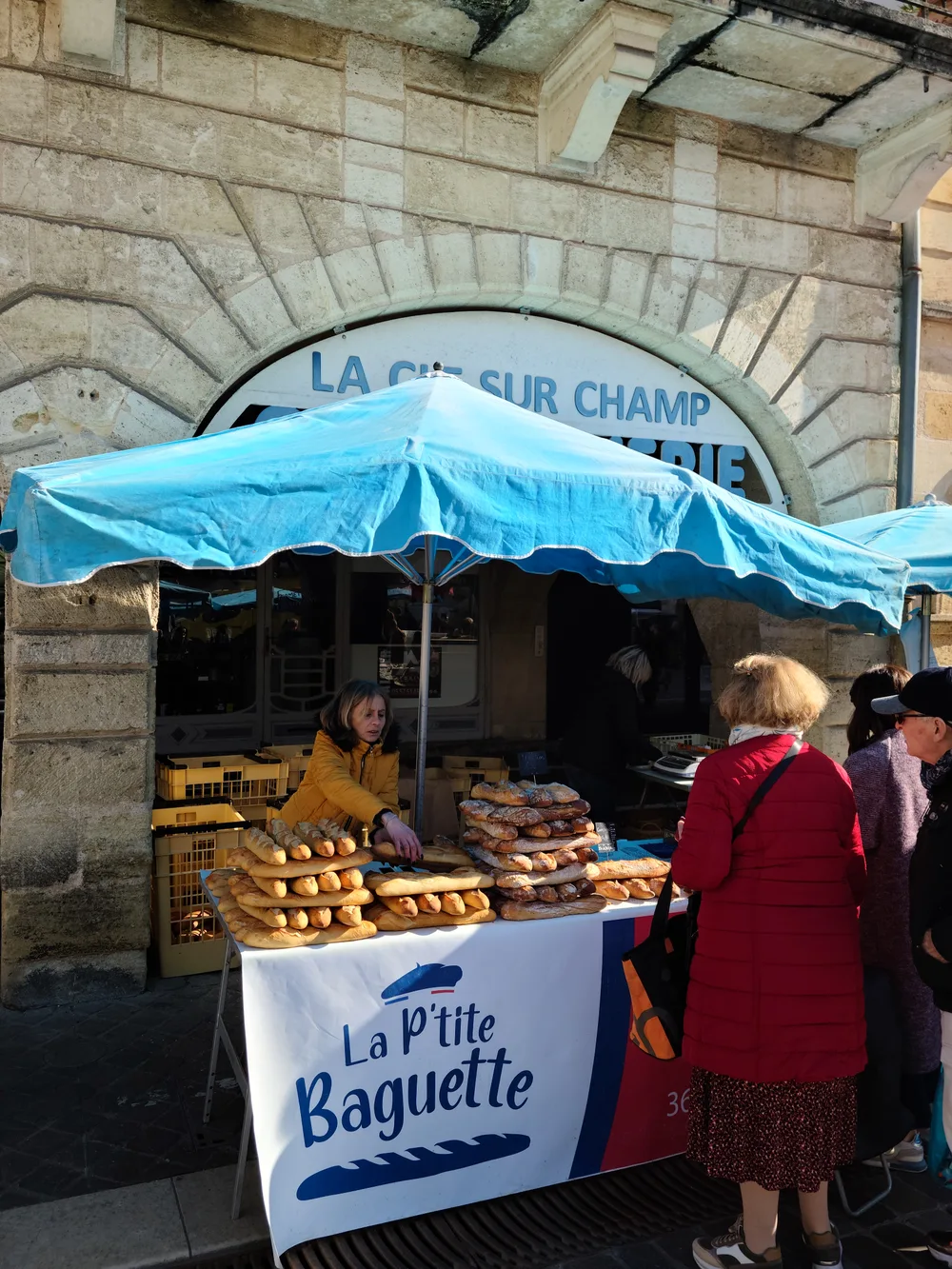
What Monbazillac, Pécharmant, and Côtes De Bergerac Taste Like
You’ll discover three distinct taste experiences when exploring Bergerac’s signature wines. Monbazillac delivers luscious honey and apricot sweetness from noble rot, while Pécharmant offers bold, structured red wine character. Côtes de Bergerac impresses with its remarkable aging potential that develops complexity over time.
Monbazillac’s Sweet Botrytized Profile
Liquid gold flows from the vineyards of Monbazillac, where morning mists from the Dordogne River work their magic on clusters of Sémillon, Sauvignon Blanc, and Muscadelle grapes. You’ll discover a wine transformed by noble rot—Botrytis cinerea—that concentrates sugars and creates unforgettable complexity.
The fungus thrives in the valley’s chilly, damp mornings and warm afternoons, converting acids into glycerol for silky smoothness. Classic Monbazillac offers minimum 45g/l residual sugar, while sélection de grains nobles showcases intensely concentrated sweetness at 85g/l—both perfectly balanced by invigorating acidity.
- Honey and stone fruit — dominate with notes of apricot, peach, and candied citrus
- Spiced complexity — featuring saffron, gingerbread, and aromatic flowers
- Evolving character — from straw-colored youth to amber-hued maturity with nutty, creamy depth
Pécharmant’s Structured Red Character
Red wines from Pécharmant command attention with their powerful structure and deep, dark coloration that signals serious aging potential. You’ll discover concentrated Bordeaux-inspired blends dominated by Merlot, though each producer crafts their own balance using Cabernet Sauvignon, Cabernet Franc, and Malbec.
The flavor profile centers on ripe blackberry and blackcurrant, with violet undertones and vanilla notes from oak aging. What makes these wines special is the tran—an iron-rich clay layer beneath the gravel and sand soils—that develops intense tannins and mineral complexity.
These aren’t wines you’ll drink young. They’re built for four to ten years of cellaring, developing aromatic complexity as they age. Lower yields than standard Bergerac vineyards create the concentration that separates Pécharmant from everyday reds.
Côtes De Bergerac Aging Potential
Moving beyond Pécharmant’s single-village intensity, Côtes de Bergerac represents the appellation’s next tier—wines that pack more power and aging potential than standard Bergerac bottles. You’ll find stricter production standards here that allow these wines to mature beautifully over extended periods.
- Red Côtes de Bergerac — reaches peak expression at 5–6 years, then continues developing another 5–10 years as tannins soften
- Sweet white versions — hit their stride in years 4–5 and last 5–10+ years with proper cellaring
- Monbazillac — ages gracefully for 30–40 years, never sold before its first birthday
The extra alcohol and tannin structure in these wines rewards your patience. If you’re buying during your tour, grab bottles for both immediate enjoyment and long-term cellaring.
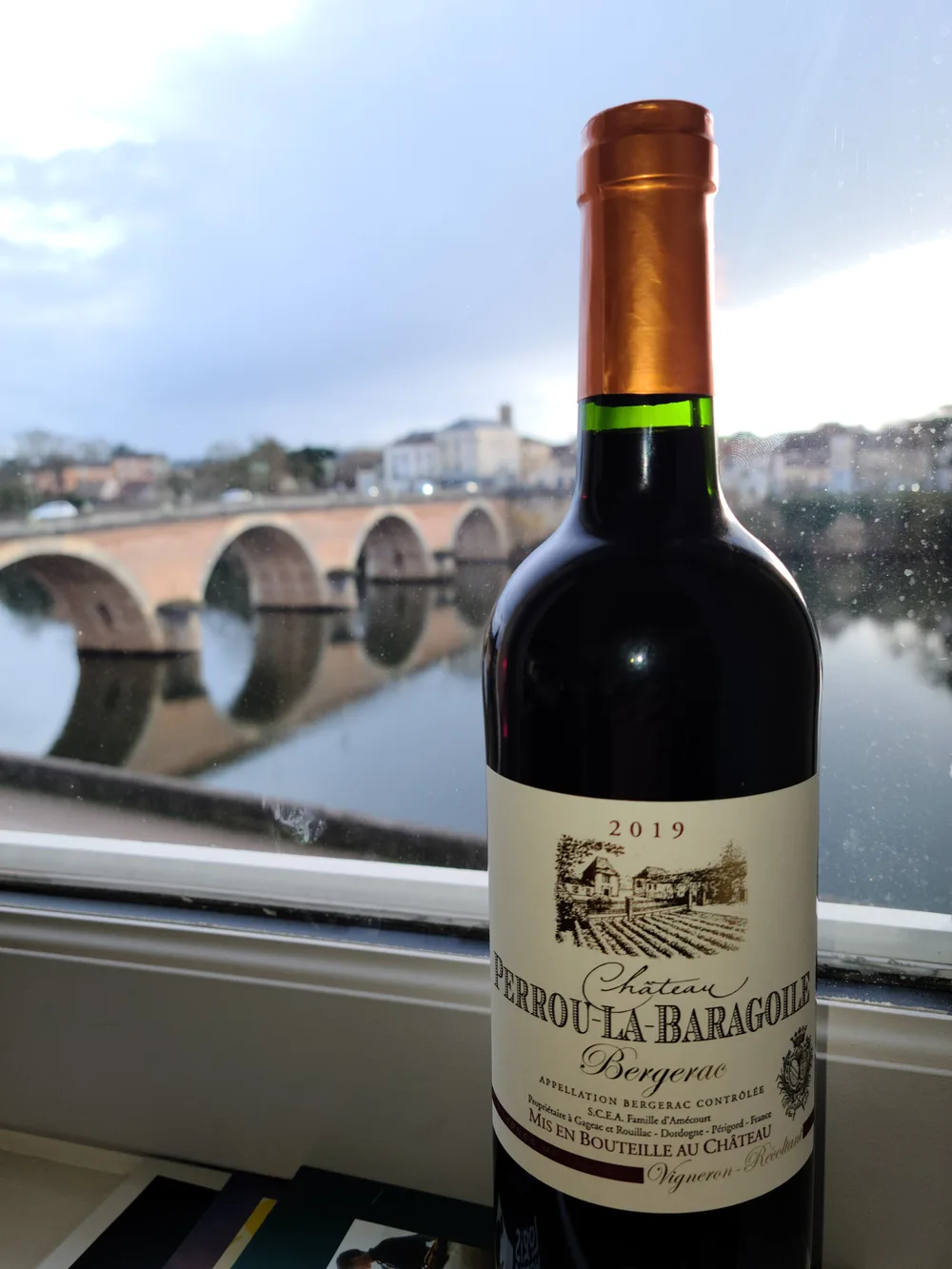
Group Wine Tours vs. Private Château Tastings in Bergerac
When you’re planning your Bergerac wine adventure, you’ll face a delightful dilemma: join a lively group tour or craft your own private château-hopping experience?
Group tours offer exceptional value, averaging €29 for curated cellar visits with tastings. You’ll explore Monbazillac vineyards on electric scooters, enjoy gourmet breaks featuring artisanal foie gras, and benefit from expert guidance at Maison des Vins’ historic 17th-century workshops.
These tours deliver convenience without breaking the bank. Private château visits, however, provide personable welcomes at stunning properties like Château Corbiac and Château Monbazillac. You’ll discover barrel-aging secrets, explore 600 m² cellars carved into rock, and enjoy flexible scheduling.
The five-château circuit requires just 40 minutes of driving—perfect for an afternoon adventure with French cheese pairings and panoramic vineyard views.
Booking Family-Run Bergerac Wine Estates Like Château De Tiregand
Family-run estates offer something group tours and private châteaux can’t quite match: genuine connections with the winemakers themselves. When you book Château de Tiregand, you’re visiting a historic 17th-century property where the Saint-Exupéry family crafts elegant Pécharmant reds.
You’ll get free courtyard tastings and guided tours with cheese pairings, all just 10 minutes from Bergerac. Most estates offer instant confirmation through platforms like Rue des Vignerons, with prices ranging from free tastings to €29.
- Château Laulerie — Second-generation siblings Marine and Gregory Dubard welcome visitors to their estate founded in 1977
- Domaine du Siorac — Six generations of family winemaking with kid-friendly amenities like grape juice and farm animals
- Château Feely — Caro and Seán Feely offer immersive experiences from vineyard walks to wine school sessions
Family estates book quickly during peak season (May–September). Use Rue des Vignerons for instant confirmation and flexible cancellations.

Where to Stay Near Bergerac Vineyards and Tasting Rooms
- Château de Saint-Privat-des-Prés — luxury accommodations from €250
- Chateau Feely — ecological gites with stargazing and terroir immersion
- Logis Hôtel et Restaurant Ludik — 8.6/10 rating with pool access and town-center location
- Brit Hotel Europ — central wine trail convenience with modern amenities
Each location puts you minutes from world-class tastings. Choose a château stay for immersive vineyard views or a town hotel for convenient access to restaurants and markets.
Conclusion
You’ll discover that Bergerac’s wine country delivers incredible value without sacrificing quality or charm. From sweet Monbazillac to robust Pécharmant, you’re tasting world-class wines at half the price of neighboring Bordeaux. Whether you’re exploring historic villages like Eymet, meeting passionate winemakers at family estates, or indulging in a private château tour, you’re creating unforgettable memories. Book your Bergerac wine adventure today—your taste buds and wallet will thank you!