
You’ll find Saint-Quentin packed with surprises that most travelers completely overlook.
This northern French gem blends stunning Gothic architecture with quirky Art Deco streets, massive nature reserves, and fascinating war history.
Whether you’re into kayaking through wetlands, decoding medieval floor labyrinths, or counting hundreds of sculptures on a single building, there’s something here that’ll grab your attention.
- The Basilica of Saint-Quentin is larger than Notre-Dame in Paris at 119 meters long with a 1495 floor labyrinth modeled after Chartres Cathedral
- The Town Hall features 173 sculptures and took 178 years to construct, with Art Deco interiors designed in 1926
- Saint-Quentin’s Art Deco district contains 3,000 facades rebuilt after WWI devastation using German reparation funds
- Parc d’Isle is France’s only 100-hectare nature reserve located in a city center with free admission and kayaking available
- Fine Arts Museum entrance costs €5 for adults with free admission for children under 18, open Tuesday to Sunday
- The Jean Vilar Theatre completed in 1842 features an Italian-style auditorium with 950 seats and exceptional acoustics
- Spring and summer offer the best weather for exploring attractions, with museums open Tuesday through Sunday from 2pm to 6pm
See Saint-Quentin’s Massive Gothic Basilica and Floor Labyrinth
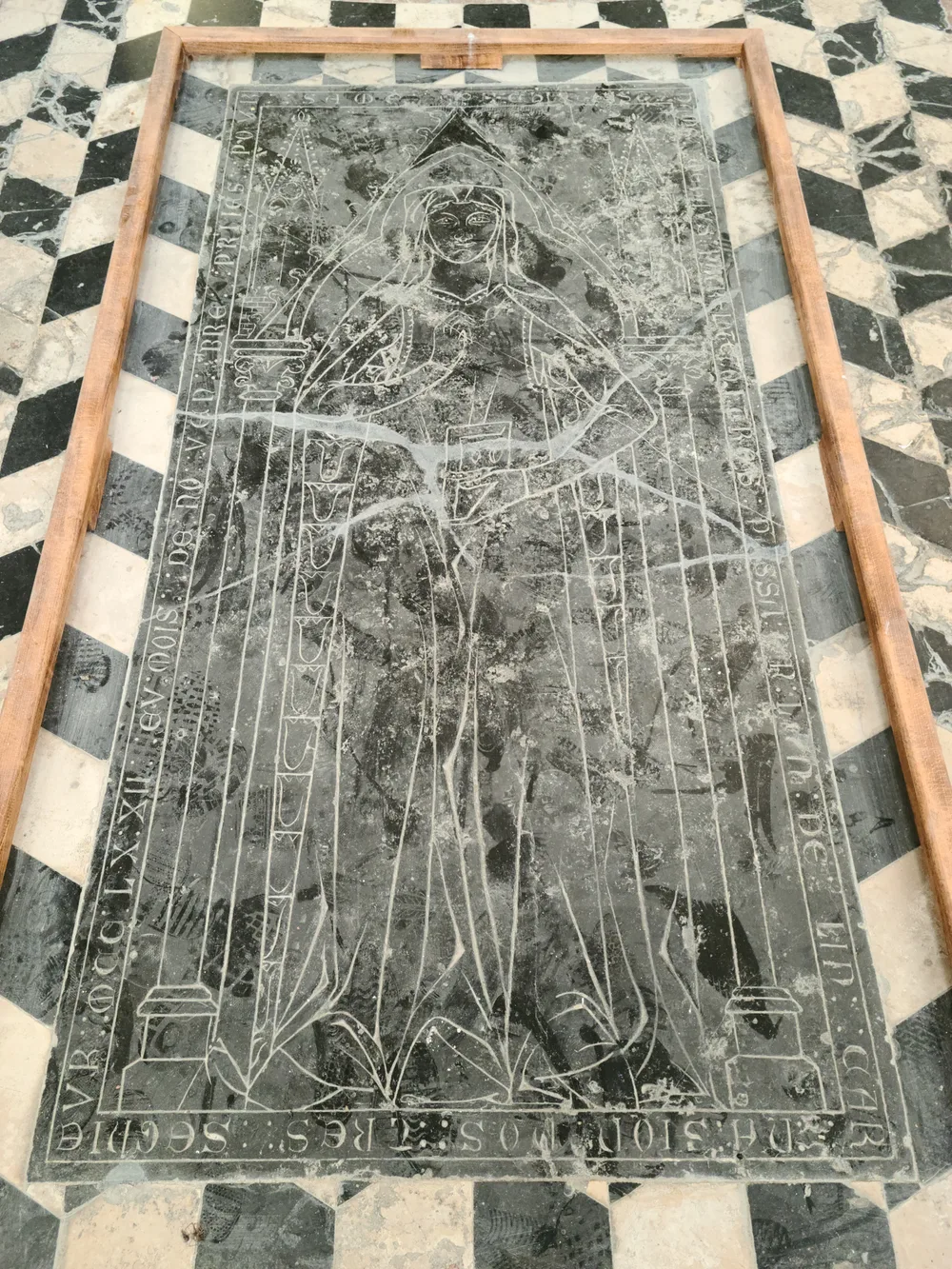
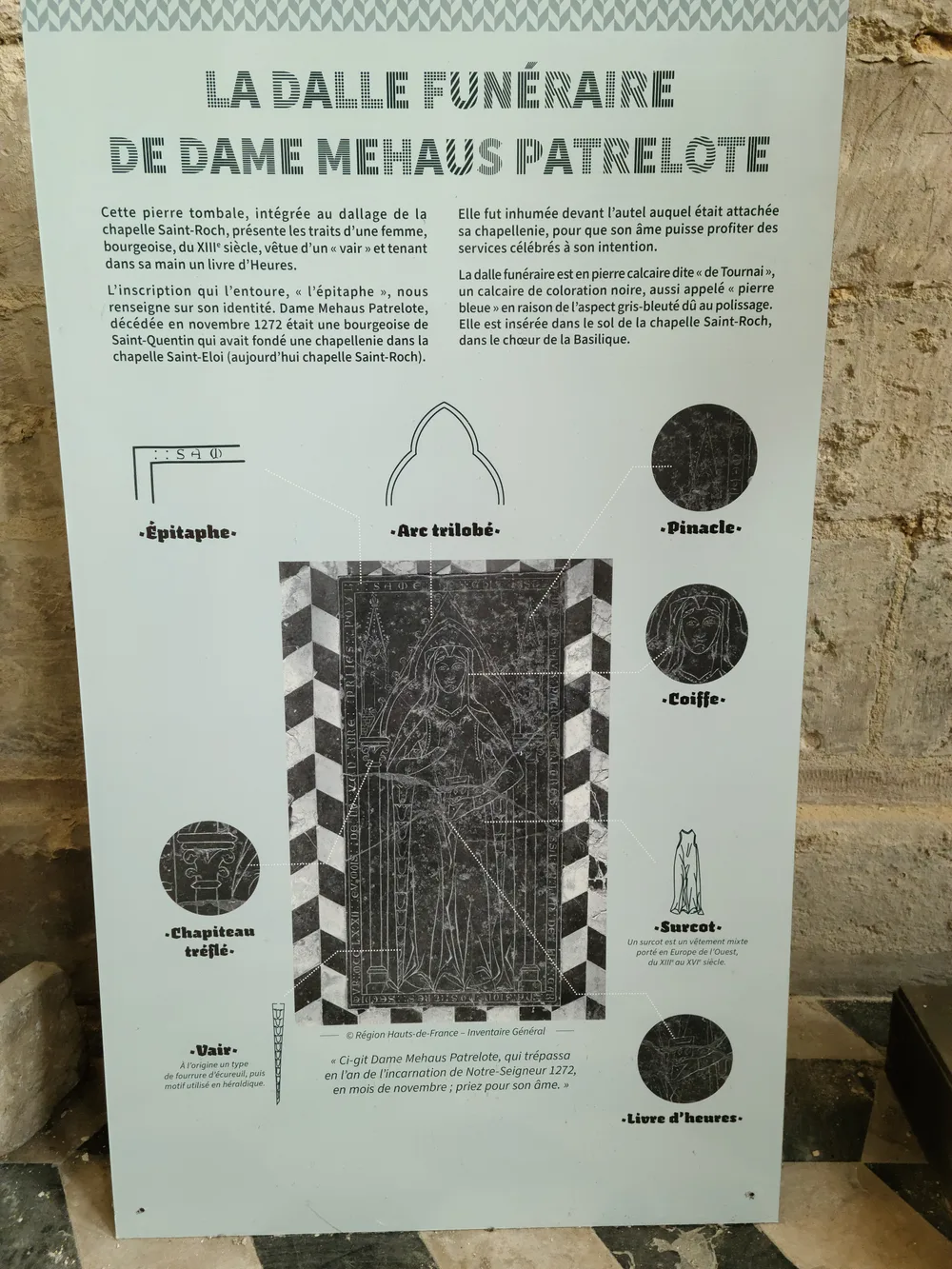
When you step inside the Basilica of Saint-Quentin, you’ll immediately grasp why it’s considered one of northern France’s most impressive Gothic monuments. At 119 meters long and 34 meters high, it’s actually larger than Notre-Dame in Paris.
The soaring vaulted ceilings and pointed arches showcase Gothic architecture at its finest. Construction spanned from the 12th through 15th centuries, creating a stunning evolution of styles.
The floor labyrinth laid in 1495 is modeled after Chartres Cathedral and offers a meditative journey through medieval geometry.
Don’t miss the labyrinth engraved on the floor, laid in 1495 and modeled after Chartres Cathedral. The vast rose window displays intricate geometric patterns, while vibrant stained glass creates an ethereal glow throughout.
You can explore independently or join guided tours that include access to the mysterious crypt. The basilica houses relics of Saint Quentin, the 3rd-century martyr who gave the city its name. Beyond religious services, the basilica serves as a venue for concerts and exhibitions that celebrate the region’s artistic heritage.
Tour the Flamboyant Town Hall With 173 Sculptures
The Town Hall of Saint-Quentin stands as one of northern France’s most spectacular examples of Flamboyant Gothic civil architecture. You’ll find 173 sculptures adorning its façade, each one showcasing the incredible craftsmanship of medieval artisans.
Construction spanned 178 years, from 1331 to 1509, and the dedication shows in every intricate detail. The building’s flame-like decorative elements and elaborate tracery define the Flamboyant Gothic style. You’ll spot gargoyles and ornate stonework across the entire façade.
An octagonal bell tower from 1759 crowns the structure, housing a 37-bell carillon from 1924. Inside, you’ll discover Art Deco interiors designed by Louis Guindez in 1926. This striking contrast between medieval exterior and modern interior makes the Town Hall truly unique.
Visit weekday mornings to avoid crowds and enjoy better opportunities for photographing the intricate architectural details.
It’s been a Historic Monument since 1984. Plan your visit for weekday mornings to avoid crowds and enjoy better opportunities for photographing the intricate architectural details.
Walk the 1920s Art Deco District in Saint-Quentin
Just steps away from the Gothic grandeur of the Town Hall, you’ll encounter a completely different architectural world. Saint-Quentin’s Art Deco district emerged from WWI’s devastation, when 70% of the city was destroyed.
German reparation funds financed the 1920s-1930s reconstruction, creating one of France’s finest Art Deco collections. You’ll discover stunning architectural treasures throughout:
- Palais de l’Art Déco — The former post office features interlacing red brick patterns and Cubist mosaics depicting industry and arts
- Buffet de la Gare — Ornate floral decorations and stylized roses symbolizing resurrection adorn this train station gem
- Le Carillon cinema — A flamboyant 1929 landmark showcasing bold geometric designs
- Rue de le Sellerie — This street concentrates all Art Deco trends in one spectacular walkway
The district showcases elegant buildings adorned with geometric patterns and bold colors that define the Art Deco aesthetic. With 3,000 Art Deco facades, you’re exploring an open-air museum.
Explore 100-Hectare Parc d’Isle Nature Reserve
Right in Saint-Quentin’s heart, you’ll find something extraordinary—a 100-hectare nature reserve that’s the only one of its kind in France. The Marais d’Isle Natural Reserve sits right downtown, protecting 48 hectares of pristine wetlands since 1981.
You’ll spot elegant avocets, Belon shelducks, and migrating cranes throughout the year. The best part? Admission’s completely free.
Beyond birdwatching, you can kayak on Étang d’Isle, tackle treetop obstacle courses, or visit the animal park featuring exotic species. Kids love the petting farm and water play areas. The park is home to around 400 animals representing about 60 species, including domestic animals like rabbits and goats alongside exotic species like lemurs and otters.
Fitness enthusiasts enjoy 10 outdoor workout stations and jogging trails. The park’s open daily—8 a.m. to 8 p.m. from April through September, closing earlier in winter. You’ll find picnic spots, parking, and equipment rentals throughout.
Visit Saint-Quentin’s Fine Arts and Butterfly Museums
You’ll discover an impressive art collection at the Musée Antoine Lécuyer, housed in an elegant pavilion at 28 rue Antoine Lécuyer. The museum showcases 100 pastel portraits by Maurice-Quentin de La Tour, King Louis XV’s court portraitist, alongside Italian, Scandinavian, and French paintings. Entry costs just €5 for adults, and you can explore Tuesday through Sunday from 2pm to 6pm, with morning hours Wednesday through Saturday.
Museum Location and Access
Both museums sit in the heart of Saint-Quentin’s city center, making them easy to visit in a single afternoon. You’ll find the Butterfly Museum at 14 Rue de la Sellerie inside the stunning neo-Gothic Espace Saint-Jacques building from 1927. The Fine Arts Museum sits nearby at 28 Rue Antoine Lécuyer, close to the Art Deco Palais.
- Both museums open Tuesday to Sunday from 2pm to 6pm, plus Wednesday and Saturday mornings from 10:30am to 12:30pm
- Entry costs €8 for the Butterfly Museum and €5 for Fine Arts with reduced rates available
- Kids under 18 get free admission to both
- Visit weekday mornings to skip the crowds
Staff speak English and French, so you’ll get help guiding through these cultural gems effortlessly.
Fine Arts Collection Highlights
When you step into the Fine Arts Museum, you’re walking into one of France’s most remarkable art treasures. The star attraction is Maurice-Quentin de La Tour’s stunning pastel collection. You’ll find over 100 portraits by this local master who lived from 1704-1788.
His subjects include Louis XV, Madame de Pompadour, and Voltaire. The faces are astonishingly lifelike with vibrant colors and expressive detail. The lighting stays deliberately dim to protect these delicate works from fading.
Beyond La Tour’s pastels, you’ll discover Italian and Flemish paintings spanning the 16th to 19th centuries. The Le Sérurier Brothers donated rich oil paintings that complement the collection beautifully. Don’t miss the Cabinet of Curiosities, featuring unusual historical items and amateur archaeology finds from the 7th and 8th centuries.
Butterfly Specimen Interactive Exhibits
Just steps away from the Fine Arts Museum, another enchanting collection awaits at the Butterfly Museum. You’ll discover over 20,000 specimens from around the world, beautifully displayed in original 19th-century furniture.
The museum’s crown jewel is its live butterfly enclosure, where colorful wings flutter all around you. You can watch the complete life cycle unfold from egg to chrysalis to butterfly.
- Walk through a vibrant sanctuary filled with free-flying butterflies of every color
- Explore impressive beetle collections assembled over a century ago
- Enjoy hands-on exhibits and games that make learning fun for kids
- Pay just €5 for adults, with free admission for visitors under 18
The compact space works perfectly for a quick visit under an hour.
Relax in the Flemish-Style Main Square Gardens
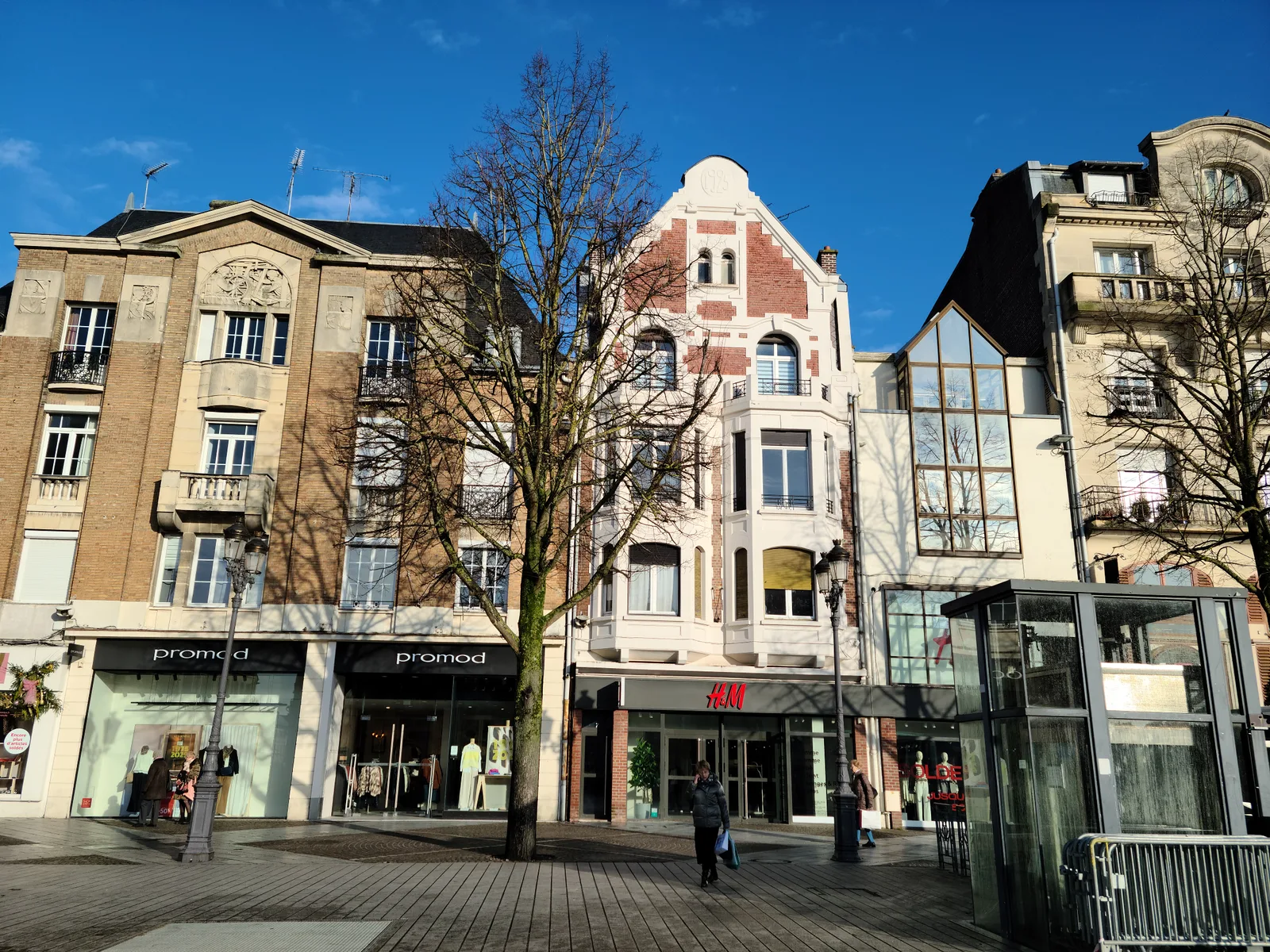
Everyone needs a breather while exploring Saint-Quentin, and the main square gardens deliver exactly that. You’ll find this Flemish-inspired space right in the town center, perfectly positioned below the stunning 16th-century Gothic town hall.
The open green areas invite you to spread out a blanket for an impromptu picnic while admiring the decorative kiosk and vibrant plantings around you. The square’s Art Deco buildings frame your relaxation spot, reminding you of the town’s post-WWI reconstruction. You’re just steps from the basilica and local cafés like L’Artisanes if you need refreshments.
On sunny days, there’s no better place to soak up the historic atmosphere. The famous carillon’s 37 bells might even serenade your downtime, adding authentic charm to your peaceful moment.
Catch a Show at Restored Jean Vilar Theatre
You’ll find the magnificent Jean Vilar Theatre right on Place de l’Hôtel de Ville, showcasing its stunning neo-classical facade that’s captivated visitors since 1842. Step inside to admire the Italian-style auditorium, where the 1926 Art Deco restoration transformed war-damaged interiors into an architectural masterpiece. The ornate ceiling and grand design make this theater a living symbol of Saint-Quentin’s resilient spirit and cultural heritage.
Historic 19th-Century Architecture
When you step inside the Théâtre Jean-Vilar, you’re entering one of Saint-Quentin’s most striking architectural treasures. Completed in 1842 by architect Emile Guy, this Italian-style theatre showcases an imposing neo-classical facade that’ll take your breath away.
The building’s design drew inspiration from Caen’s theatre, creating an intimate 950-seat venue with superb acoustics.
- Neo-classical elegance — The mid-19th century facade sets the tone for the beauty inside
- Italian-style design — Authentic theatrical architecture from theatre’s golden age
- Intimate atmosphere — Original 950-seat capacity creates perfect sightlines
- Exceptional acoustics — Every performance sounds crystal-clear from any seat
You’ll discover charming details throughout the building, from the grand auditorium to the backstage areas during guided tours.
WWI Restoration Ceiling
The theatre’s stunning ceiling tells a powerful story of resilience and rebirth. After WWI devastation left Saint-Quentin in ruins, the community rebuilt this beloved venue during the city’s Art Deco transformation in the 1920s-1930s. You’ll notice how the restored ceiling blends beautifully with the preserved neo-classical facade, creating a unique architectural mix.
The reconstruction maintained the theater’s historic charm while incorporating those distinctive Art Deco influences that define Saint-Quentin’s post-war renewal. When you look up during a performance, you’re seeing more than just beautiful craftsmanship—you’re witnessing the determination of a city that refused to let war destroy its cultural heart. The careful restoration work guaranteed the venue retained its 19th-century elegance while securing its place as a functioning modern theater.
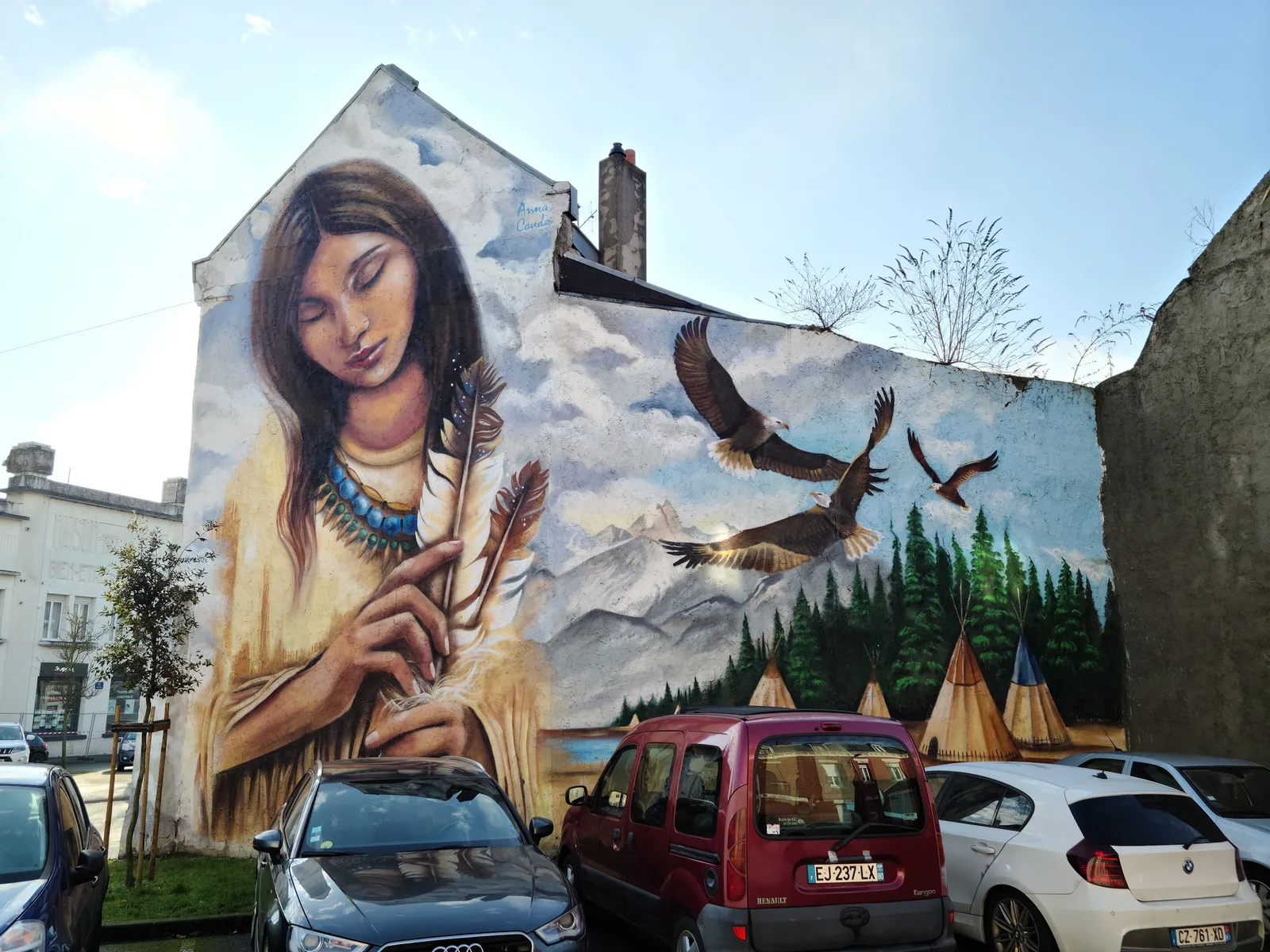
Step Back in Time at the Historic Trades Village
Nestled in Saint-Quentin, the Village des Métiers d’Antan offers something you won’t find in your typical museum. You’ll wander through recreated streets lined with authentic shop fronts from the mid-19th century to the 1950s, each staffed by costumed volunteers who bring historical trades to life.
The experience gets better with the adjoining Motobécane Museum, where you’ll discover over 100 vintage motorbikes showcasing French motorcycle heritage. Plan 2-3 hours to explore both collections fully.
- Walk street-to-street through period workshops and classrooms
- Meet enthusiastic interpreters demonstrating yesteryear’s crafts
- View rare restored artifacts from the region’s industrial past
- Experience dual museums at one location for thorough local history
Weekday mornings offer the best viewing experience with fewer crowds.
See WWII Resistance Exhibits at the Picardy Museum
You’ll discover powerful stories of local heroes at the Résistance et Déportation Museum in nearby Tergnier. The museum preserves essential evidence of how ordinary people fought back against Nazi occupation through its collection of over 15,000 authentic artifacts. Guided tours bring this regional history to life, showing you everything from resistance weapons to deportation memorial exhibits that honor those who suffered.
Regional Resistance Movement History
Just minutes from Saint-Quentin, you’ll discover one of France’s most compelling WWII resistance museums at the Picardy Museum. You’ll explore extensive exhibits focused specifically on resistance activities throughout the Aisne department, where local fighters risked everything against Nazi occupation.
The museum brings these heroes’ stories to life through:
- Personal testimonies revealing the sacrifice and courage of resistance fighters who operated in your region
- Life-like dioramas depicting actual resistance operations and clandestine activities
- Detailed documentation explaining how Canadian, British, and American forces coordinated with local resistance networks
- Educational resources including a video library and conference facilities for deeper learning
You’ll gain authentic insight into how ordinary citizens became extraordinary warriors, transforming the Picardy region into a vital battleground for freedom.
Deportation Memorial Collections
Beyond the resistance stories, the Picardy Museum preserves powerful deportation memorials that document one of WWII’s darkest chapters. You’ll find these exhibits within France’s first purpose-built museum at 48 rue de la République in Amiens. The collections span from prehistory through the 19th century, but the WWII resistance and deportation materials hold special significance.
You can explore four floors of this Second Empire building, where deportation artifacts sit alongside archaeological treasures from ancient Egypt and Greece. The museum’s 400 Egyptian objects and Gallo-Roman pieces provide historical context that makes the WWII exhibits even more meaningful. You’re visiting one of France’s largest regional museums, where deportation memorials connect Picardy’s ancient past to its wartime struggles.
Guided Tours Available
While the Musée de la Résistance et de la Déportation de Picardie is currently closed for renovations, it’s worth planning a future visit to this remarkable museum in Tergnier. You’ll find well-laid-out sections that create an immersive walkthrough experience in chronological order. The museum’s educational resources make it perfect for group visits, and they collaborate with local partners throughout the year for special events.
When you explore, you’ll encounter:
- Life-like dioramas featuring maquis settings and parachute drop reenactments
- Military equipment displays including FW190 and Lockheed P38 wreckage with pilots’ stories
- Audiovisual presentations that bring the Resistance movement to life
- Outdoor exhibits showcasing larger vehicles and weapons from 1940-1944
The self-guided format lets you absorb moving photographs, testimonies, and artifacts at your own pace.
Plan Your Saint-Quentin Visit: Hours and Tickets
Planning your Saint-Quentin adventure starts at the tourist office, your gateway to everything this charming French town offers. You’ll find them at 3 rue Emile Zola, open weekdays 9am-12pm and 1:30pm-6pm year-round. Weekend hours vary by season, so call +33 3 23 67 05 00 before visiting.
Museum tickets won’t break your budget. You’ll pay €8 standard entry at 14 rue de la Sellerie, while 28 rue Antoine Lécuyer costs just €5. Kids under 18 get free admission! Museums open Tuesday through Sunday, 2pm-6pm, with bonus morning hours Wednesday and Saturday at the Lécuyer location.
Book guided tours through the tourist office for exclusive access to Town Hall’s Council Chamber and other hidden gems.
Book guided tours through the tourist office for exclusive access to Town Hall’s Council Chamber and other hidden gems. Don’t miss combined tickets for related attractions like the clock tower.
Map Your Walking Route Through Top Attractions
Your tickets are secured—now let’s map out the perfect walking route to experience Saint-Quentin’s best attractions! Start at Parc d’Isle’s riverside greenery, then head 500 meters east to the stunning Basilique de Saint-Quentin. You’ll find the Village of Yesteryear museum just 300 meters beyond, showcasing historical reconstructions. The entire core loop covers 2-3 km on flat, easy terrain—perfect for all fitness levels.
- Interactive planning tools — Use Wanderlog or ViaMichelin to customize your path
- Art Deco architecture — Discover WWI-rebuilt structures throughout the town center
- River Somme extension — Add 1 km for panoramic waterfront views
- Central parking hub — Start from the basilica lot for convenient access
The basilica serves as your central landmark, with attractions radiating within a walkable 1 km radius.
Best Times to Visit Saint-Quentin’s Major Sites
Timing your visit right transforms a good trip into an unforgettable one! Spring and summer are perfect for exploring Parc d’Isle’s 100 hectares and catching cultural events around town. You’ll enjoy longer days and better weather for cycling along Canal de Saint-Quentin.
Autumn paints the landscape in magnificent colours, making outdoor strolls absolutely stunning. Winter brings magical Christmas atmosphere, though you’ll find shorter museum hours. Museums open Tuesday through Sunday from 2pm to 6pm, with bonus morning slots Wednesday and Saturday at 10:30am. The tourist office extends its hours June through September, adding Sunday service.
Book your guided tours for Town Hall and Casino theatre through the tourist office. Parks stay open year-round, but warmer months let you spot wildlife more easily at Marais d’Isle nature reserve.
Conclusion
You’ve got an incredible mix of experiences waiting for you near Saint-Quentin! From that jaw-dropping Gothic basilica to peaceful nature trails, there’s something here for everyone. You’ll love wandering through Art Deco streets and diving into fascinating war history. Don’t forget to check those opening hours before you go—you’ll want to make the most of every minute. Pack your camera and comfortable shoes. You’re in for an unforgettable adventure!