You’ll find Edinburgh packed with incredible spots that’ll keep your camera busy and your hiking boots happy. From ancient volcanic hills right in the city to coastal trails just a short drive away, this Scottish gem delivers way more than you’d expect.
Whether you’re after that perfect sunset shot, a challenging climb, or a peaceful garden stroll, the question isn’t what to see—it’s how you’ll possibly fit everything into your trip.
- Arthur’s Seat reaches 823 feet and takes 30–60 minutes to climb with completely free access year-round
- Calton Hill offers easier 360° Edinburgh views with paved paths and is perfect for golden hour photography
- Edinburgh Castle attracts nearly 2 million visitors annually and operates under permanent capacity limits
- The Royal Botanic Garden contains nearly 13,500 plant species across 70 acres with free entry
- Pentland Hills Regional Park offers 100 km of marked trails within 30 minutes of Edinburgh’s city centre
- The Royal Mile stretches one Scots mile from Edinburgh Castle to Holyroodhouse through UNESCO World Heritage streets
- Edinburgh’s volcanic landscape includes three major natural landmarks—Arthur’s Seat, Calton Hill, and Castle Rock
Arthur’s Seat: Edinburgh’s Best Hike for Panoramic Views
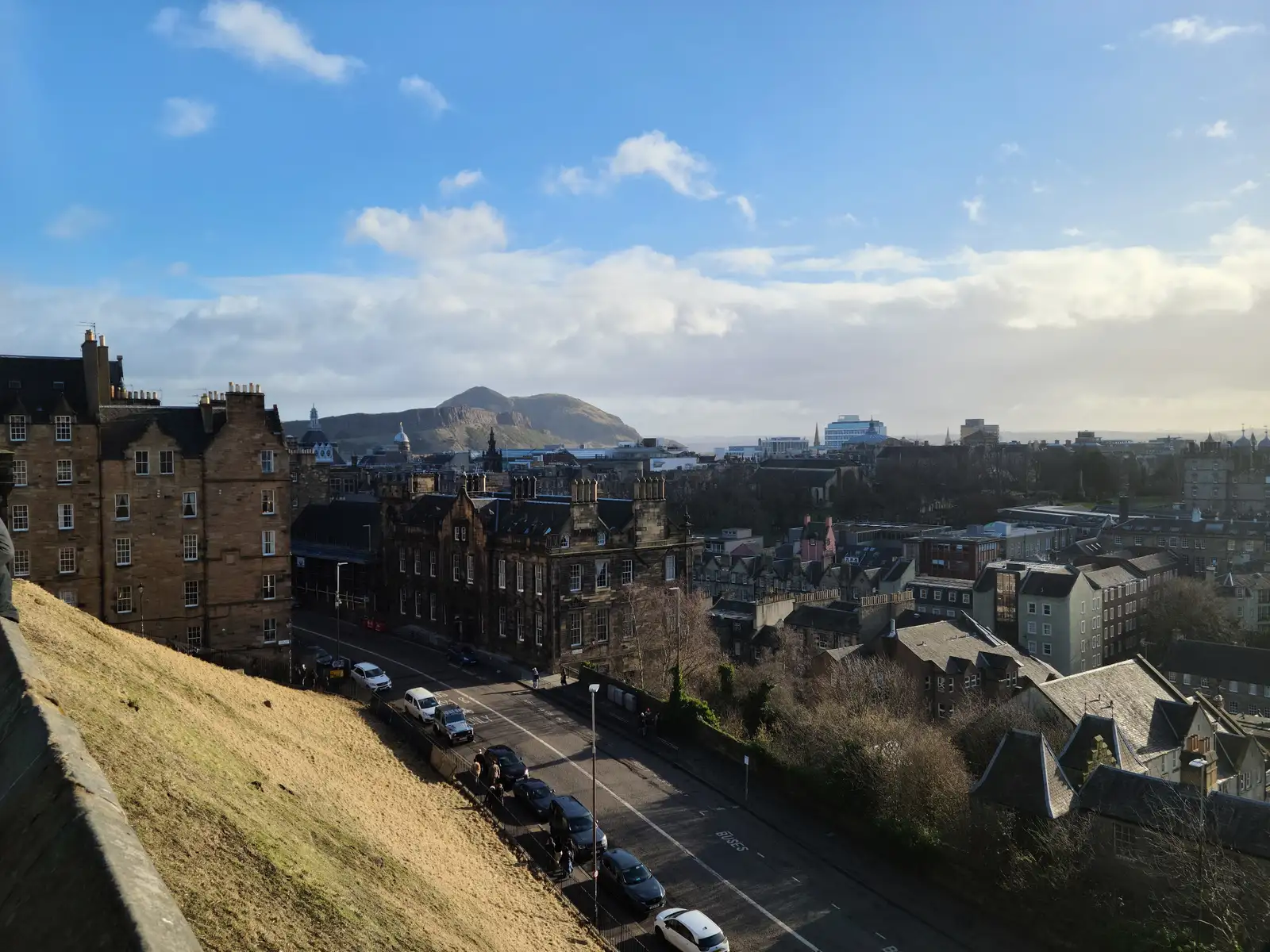
Rising dramatically from Edinburgh’s eastern skyline, Arthur’s Seat commands attention as the city’s highest point and most iconic natural landmark. You’ll reach the summit at 823 feet after a challenging but rewarding 30–60 minute climb through Holyrood Park.
The main trail covers roughly 3 miles, with an easier approach from Dunsapie Loch or a steeper southwest route for experienced hikers. At the top, you’re rewarded with stunning 360° views spanning Edinburgh Castle, the Royal Mile, Firth of Forth bridges, and distant coastal landscapes.
This ancient volcanic plug offers rocky, wind-swept terrain, so you’ll want sturdy footwear and weather-appropriate layers. The volcano formed during the early Carboniferous age, approximately 341 to 335 million years ago, before glacial erosion shaped it into today’s distinctive couchant lion silhouette.
Best of all, access is completely free. The park welcomes visitors year-round, making it Edinburgh’s most accessible mountain experience right within city limits.
Calton Hill: Easy Walk to Edinburgh’s Golden Hour Views
Perched just minutes from Princes Street, Calton Hill delivers knockout Edinburgh views without the workout. You’ll climb about 100 meters on paved paths and stone steps—steep in spots but totally manageable.
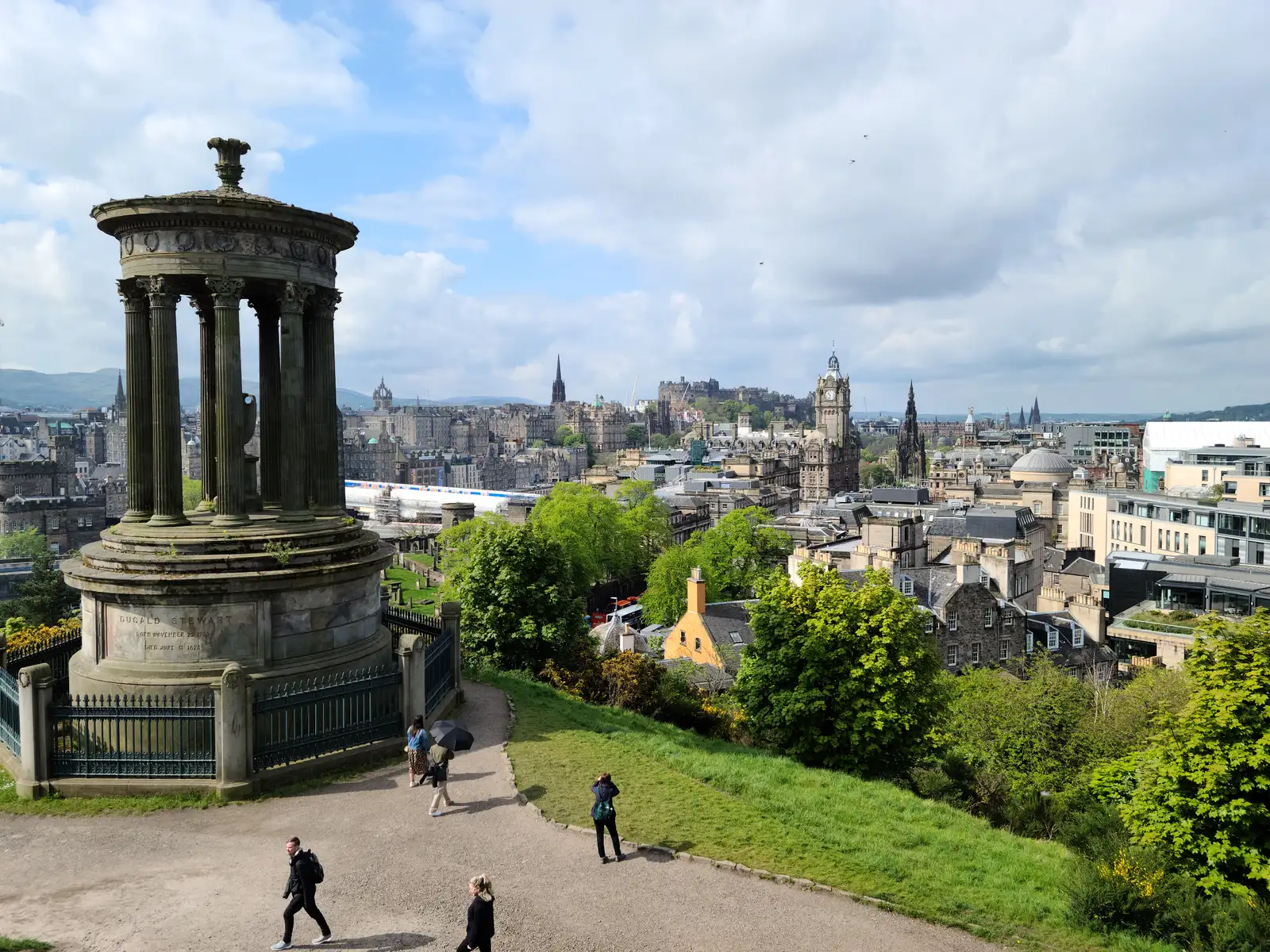
At the top, you’re rewarded with 360° panoramas: Edinburgh Castle to the west, Arthur’s Seat looming south, and the Firth of Forth stretching north toward Fife. The monuments steal the show during golden hour.
Frame your sunset shots through the National Monument’s Parthenon columns or around the Dugald Stewart Monument’s circular temple. The Nelson Monument’s telescope-shaped tower adds drama to any composition. West-facing viewpoints bathe the Old Town rooftops in warm light, perfect for photography.
It’s free, open-access parkland and forms part of Edinburgh’s UNESCO World Heritage Site, adding historical weight to your visit. Combine your visit with nearby New Town walks for a compact Edinburgh experience.
The Royal Mile: Medieval Edinburgh From Castle to Palace
Cobblestones lead you straight through Edinburgh’s beating heart. The Royal Mile stretches one Scots mile from Edinburgh Castle down to the Palace of Holyroodhouse, linking Scotland’s most iconic sites.
You’ll walk past crow-stepped gables and towering medieval tenements that once housed rich and poor in vertical neighbourhoods. Duck into the narrow closes – hidden alleyways threading between buildings – to discover another world.
Mary King’s Close preserves entire 17th-century streets sealed underground. St Giles’ Cathedral anchors the route, its 12th-century stones witnessing the Reformation. John Knox House and Moubray House, dating to 1470, rank among Edinburgh’s oldest survivors.
Parliament House saw the 1707 Act of Union signed on this route. The Royal Mile served as a processional route between the castle and palace for centuries, and every cobble tells Scotland’s story.
Edinburgh Castle: Scotland’s Most-Visited Historic Attraction
The castle’s perch on a 340-million-year-old volcanic plug creates one of Edinburgh’s most dramatic sights—you’ll spot it from miles away as it towers 430 feet above sea level. Once you’re standing on the esplanade or ramparts, you’re rewarded with sweeping panoramas across the city’s rooftops, Princes Street Gardens, and north to the Firth of Forth.
It’s no wonder photographers flock here at golden hour—the vantage points deliver postcard-perfect shots that capture Edinburgh’s unique topography and skyline in a single frame. The castle draws nearly 2 million visitors each year, making it Scotland’s most popular paid attraction.
Volcanic Castle Rock Formation
This 300-by-200-meter outcrop towers 40–50 meters above surrounding streets, part of Edinburgh’s broader volcanic field that includes Arthur’s Seat and Calton Hill. It’s geology you can’t ignore.
Unparalleled City and Forth Views
Perched 130 meters above sea level, Edinburgh Castle commands views that rival any fortress in Europe. You’ll enjoy near 360-degree panoramas taking in the Royal Mile, Princes Street, and the entire UNESCO World Heritage Site below.
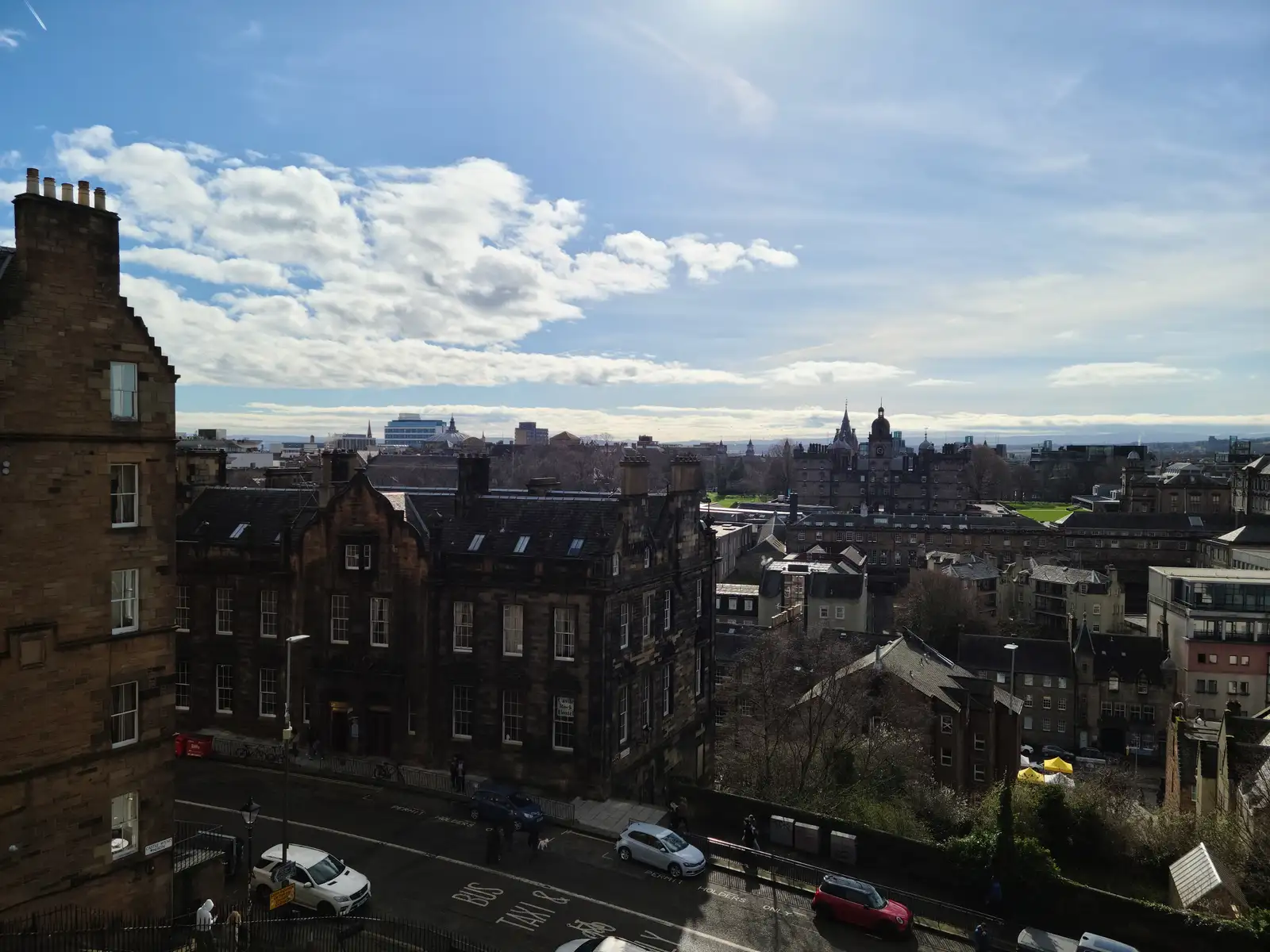
The ramparts reveal Edinburgh’s dramatic contrast—the organic medieval Old Town against the orderly Georgian New Town grid. Look north and you’ll spot the Firth of Forth estuary, with Fife’s hills visible on clear days.
These sightlines weren’t just scenic—they provided vital early warning of approaching threats by land and sea.
As Scotland’s most-visited paid attraction with 1.98 million visitors in 2024, the castle now operates under permanent capacity limits. During August’s festival season, daily numbers can exceed 15,000 people.
Esplanade Photography Vantage Points
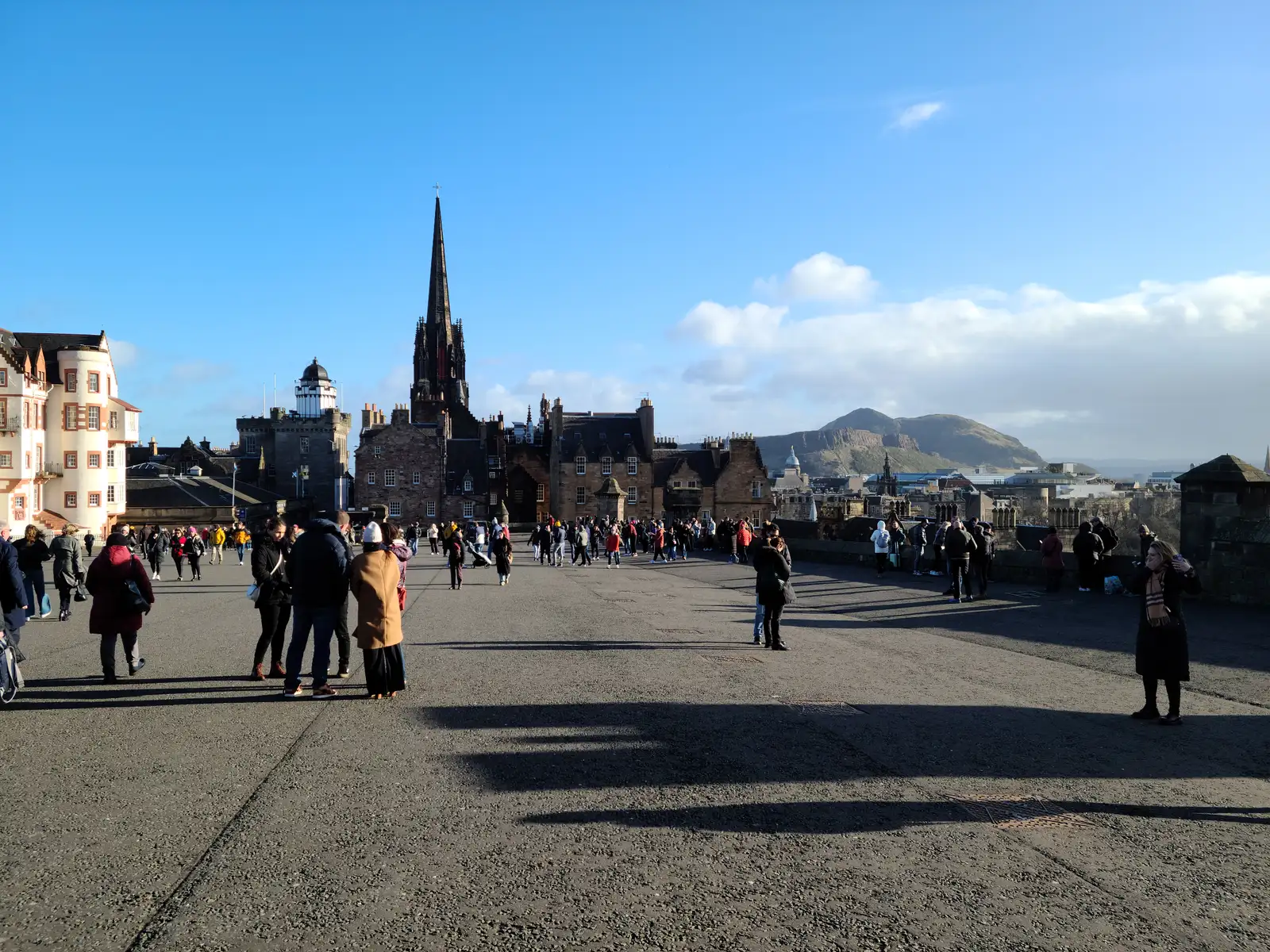
Standing on the castle’s esplanade, you’ll find one of Edinburgh’s most rewarding photography locations. This broad parade ground offers unobstructed sightlines perfect for wide-angle compositions.
You’ll capture the imposing gatehouse, Portcullis Gate, and battlements as your central subjects, while Cannonball House and red-roofed Ramsay Garden add historic context to your frames. Arrive early morning or late afternoon to avoid crowds—the castle attracts two million visitors annually.
The hard paving allows stable tripod use, though you’ll face restrictions during the Royal Edinburgh Military Tattoo (July–August). Historic cannons along the edges create excellent leading lines.
Night photography shines here. Castle floodlighting enables handheld shooting, and commemorative displays—like Remembrance’s red illumination—produce dramatic colour washes. Festival fireworks above the castle deliver spectacular long-exposure opportunities.
Royal Botanic Garden: 70 Acres of Plants Near City Centre
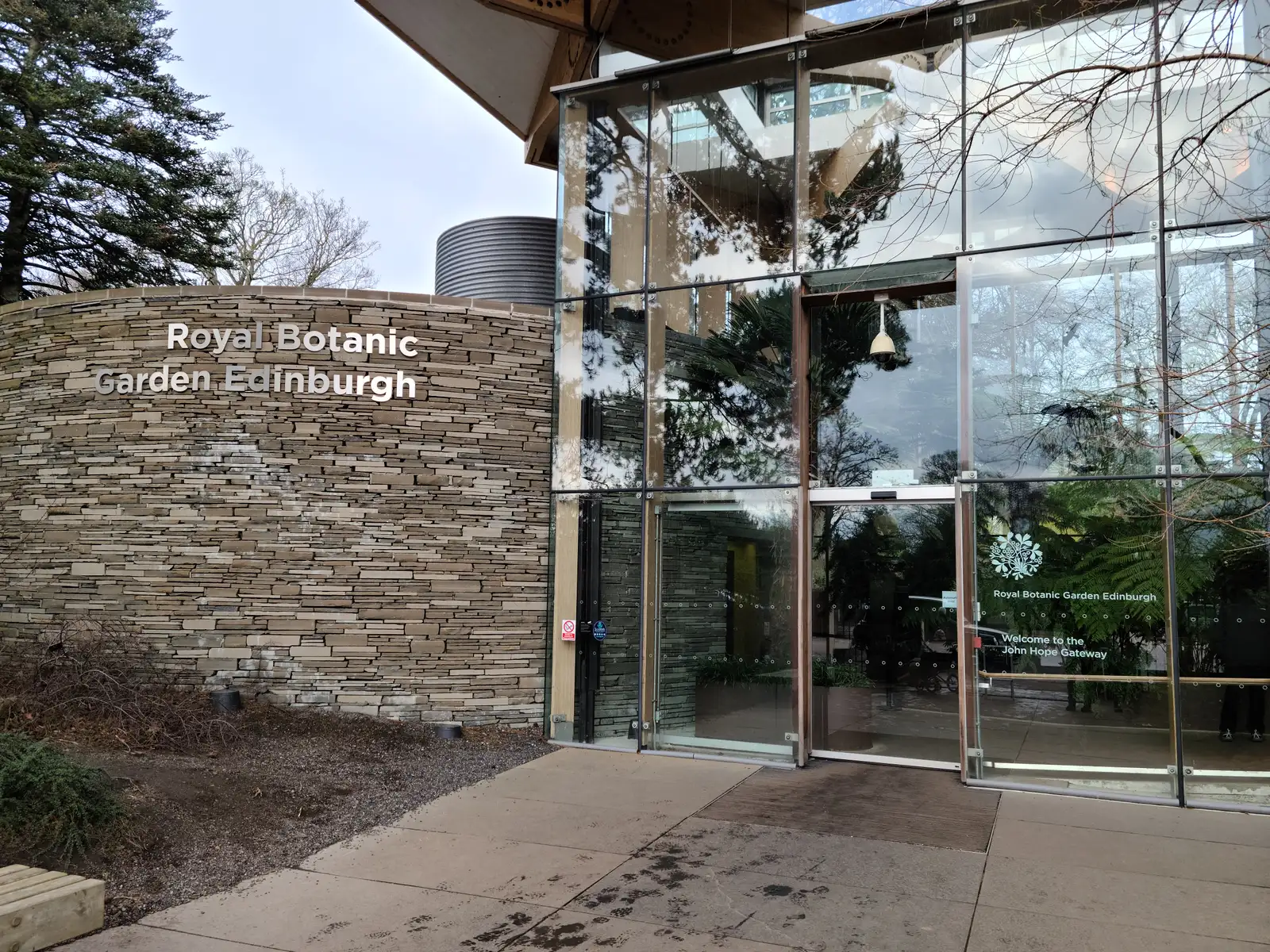
Just a mile north of Edinburgh’s city centre, the Royal Botanic Garden unfolds across 70 acres of lush landscapes, glasshouses, and themed collections. You’ll discover nearly 13,500 plant species here—that’s 4% of all known plants on Earth.
The garden’s roots trace back to 1670 as a medicinal plant garden, and it’s now one of the world’s leading botanical institutions. You can explore ten glasshouses filled with tropical treasures, wander the stunning Rock Garden and Chinese Hillside, or lose yourself in the vast Arboretum.
Entry is completely free. The garden holds over 3 million preserved specimens and actively protects rare Scottish plants, offering a green oasis where science meets natural beauty.
Day Hikes From Edinburgh: Pentland Hills and St Abb’s Coast
Within 30 minutes of Edinburgh’s city centre, you’ll find yourself climbing grassy ridges and breathing moorland air in the Pentland Hills Regional Park. Over 100 km of marked paths wind through rounded summits, reservoirs, and moorland, all accessible by bus or car.
The classic Flotterstone route takes you to Scald Law (579 m), the Pentlands’ highest point, via Carnethy Hill—a 12.5 km circuit needing 4–5 hours. You’ll tackle steep ascents and exposed ridges with sweeping views to the Firth of Forth.
Shorter family loops at Harlaw and Threipmuir offer gentler alternatives. Pack layers and sturdy boots; weather changes fast on these summits.
Main car parks fill quickly on weekends, so arrive early or catch a Penicuik-bound bus from town.
Conclusion
You’ll find endless adventures waiting around every corner of Edinburgh! Whether you’re climbing Arthur’s Seat for those epic city views, wandering the historic Royal Mile, or escaping to the peaceful Botanic Garden, there’s something that’ll capture your heart. Don’t forget to catch golden hour from Calton Hill—it’s absolutely magical. Pack your walking shoes, grab your camera, and get ready to explore. Edinburgh’s calling, and you won’t want to miss it!