
Most travelers write off Bordeaux between November and March, which is precisely why winter is the smartest time to go.
Temperatures hover around a mild 45–50°F — warmer than Paris — and the UNESCO streets that swarm in summer are suddenly yours to walk in peace.
This is peak oyster season, when riverside markets and candlelit wine cellars come into their own and hotel prices hit rock bottom.
You’ll trade long sunny days for short ones, but the trade-off heavily favors you.
Here’s how to make the most of off-season wine country.
- Winter temperatures hover between 45-50°F (10-11°C), making Bordeaux warmer than Paris or Lyon
- January sees the most rain (110mm) but showers are brief; plan outdoor activities 8 AM-5:30 PM to maximize 9 hours of daylight
- Pack a breathable waterproof jacket, insulated boots with grip, and layerable accessories for temperature swings
- Visit early January through February for the best balance: everything open, crowds minimal, and rock-bottom hotel prices
- Winter oyster season peaks December-March at markets like Marché des Capucins; local bistros serve truffles and hearty seasonal fare
- Wine château tours run year-round with personal winemaker access and small groups; book early for lower prices
Why Visit Bordeaux in Winter: Mild Weather and Fewer Tourists
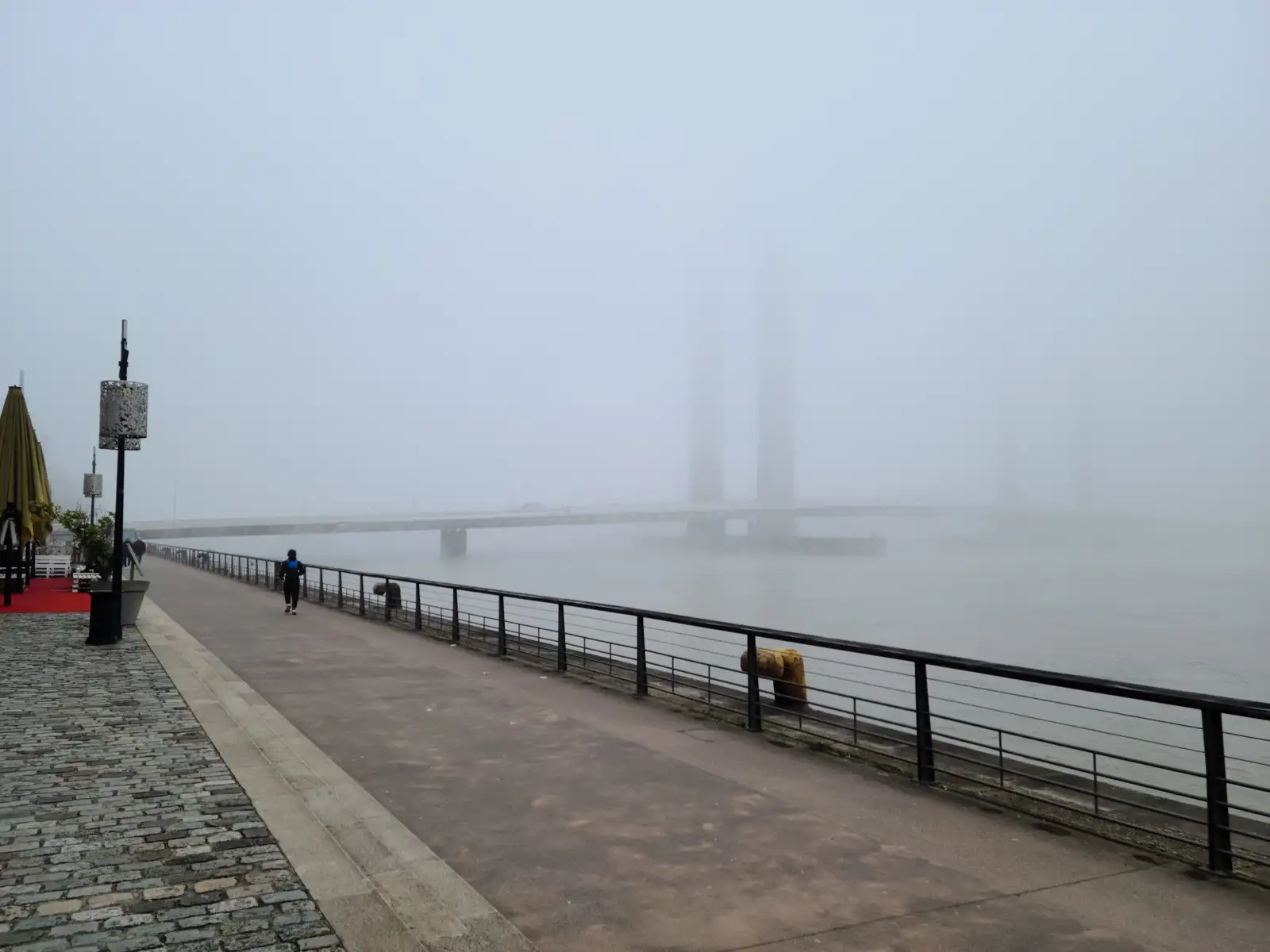
While most travelers flock to Bordeaux during the sun-drenched summer months, winter reveals the city’s quieter, more authentic charm. You’ll enjoy mild temperatures perfect for comfortable outdoor exploration without summer’s heat extremes. The crisp air enhances your scenic walks along the Garonne River, while occasional frost transforms the architecture into postcard-worthy scenes.
Winter means fewer tourists competing for your attention. You’ll secure restaurant reservations easily and explore UNESCO World Heritage sites peacefully. The monuments welcomed 84,000 visitors in 2024—significantly lower than peak periods. This breathing room lets you immerse yourself authentically in local culture without feeling rushed.
The streets illuminated with twinkling lights and festive decorations add to the enchanting winter atmosphere throughout the city. You’ll also discover better deals. Hotels and attractions offer off-season rates, making your Bordeaux experience both memorable and budget-friendly. It’s the perfect time to explore without the June-September crowds.
Bordeaux Winter Temperatures, Rain, and Sunshine Hours
Bordeaux’s winter weather stays surprisingly mild, with daytime temperatures hovering around 10-11°C and nights dipping to 3-4°C. You’ll experience January as the wettest month with about 110mm of rainfall, though most days bring light drizzle rather than heavy downpours. The city’s Atlantic disturbances bring frequent rain and wind during the winter months, contributing to the overall damp conditions. Expect shorter days with just under 9 hours of daylight in December, but the gentle climate makes exploring the city comfortable with proper layers.
Average Temperature and Rainfall
When planning your winter escape to Bordeaux, you’ll find temperatures hovering comfortably between 3°C and 11°C (37°F to 52°F) from December through February. January brings the coldest conditions, with thermometers dipping to 3.8°C overnight and climbing to 10.5°C during daylight hours. You’ll want to pack layers for these temperature swings!
Rain becomes your frequent companion during winter, with monthly totals reaching 85-110mm:
- December delivers about 105mm of rainfall across 13 rainy days
- January peaks slightly above 100mm with intermittent showers
- February lightens up to 85mm spread over 11 days
The good news? These showers pass quickly rather than lingering all day. You’ll experience occasional overnight frost, though snowfall remains exceptionally rare—occurring just once every three years.
Despite the rain and cooler temperatures, winter still offers a respectable amount of sunshine, with December averaging about 60 hours throughout the month.
Daylight and Sunshine Patterns
Beyond the temperatures and rainfall, you’ll notice winter’s most dramatic shift in Bordeaux comes from the dwindling daylight hours. December brings the shortest days, with just 8 hours and 47 minutes of daylight on the winter solstice (December 21). That’s nearly 7 hours less than summer!
You’ll experience roughly 9 hours of daylight throughout winter months, though actual sunshine averages only 2-4 hours daily in December and January. This limited light window means you’ll need to plan strategically. Schedule outdoor activities between 8:00 AM and 5:30 PM to maximize your daylight. The mild 10°C temperatures make exploration comfortable, but those few precious sunshine hours are perfect for photography and sightseeing.
Interestingly, the earliest sunset actually occurs on December 9 or 10, rather than on the winter solstice itself. Fortunately, Bordeaux’s partly cloudy conditions and rare snowfall won’t seriously hinder your winter adventures.
What to Pack for Bordeaux’s Rainy, Cool Winter Weather
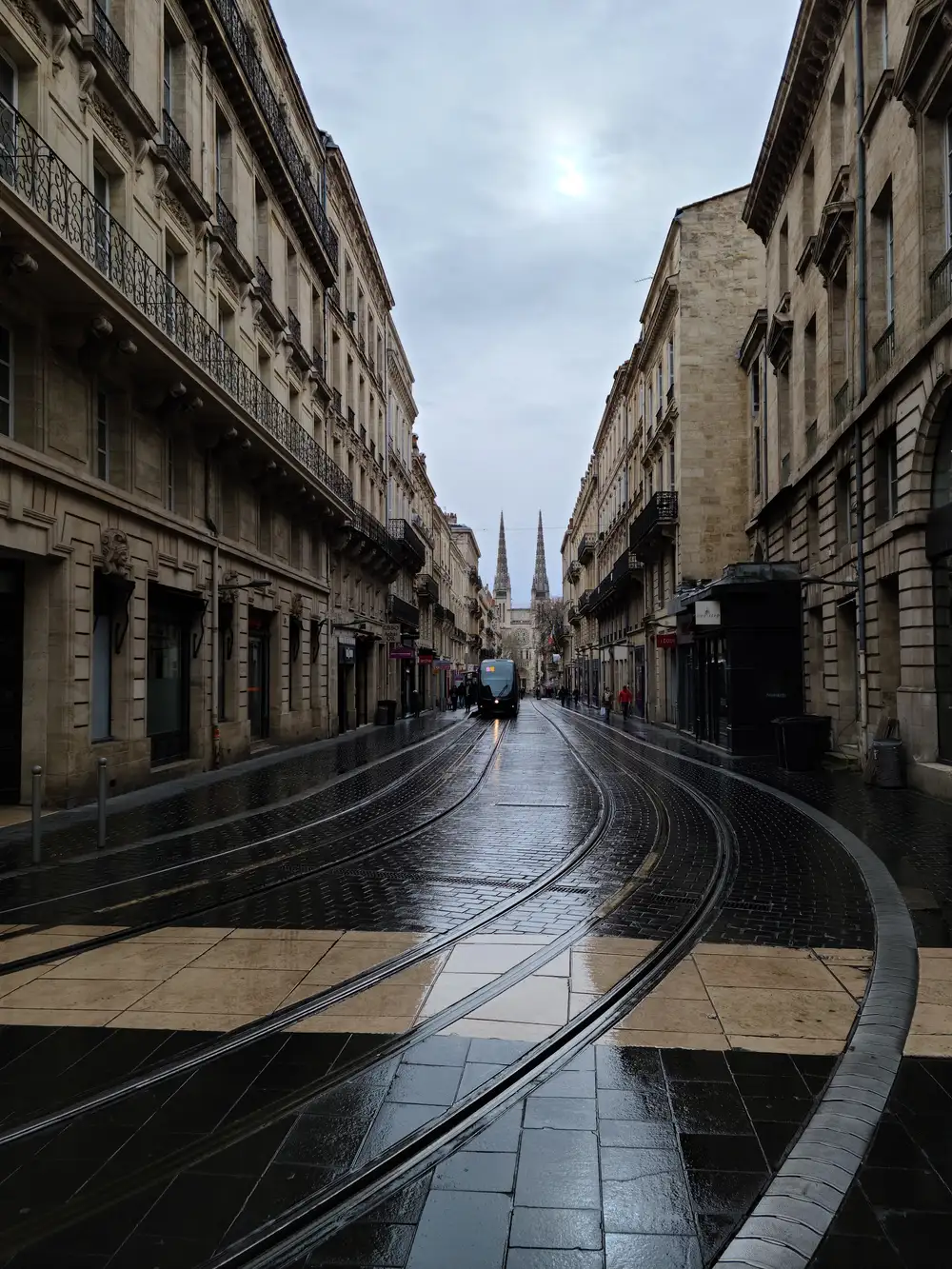
Packing for Bordeaux’s winter weather means preparing for rain, wind, and temperatures that hover between chilly and mild. You’ll want waterproof layers that can handle frequent drizzle while staying breathable enough for indoor wine tastings and museum visits. The right combination of protective outerwear, sturdy waterproof shoes, and versatile accessories will keep you comfortable whether you’re exploring wet cobblestone streets or ducking into cozy cafés.
Waterproof Layers and Outerwear
Bordeaux’s winter weather demands a strategic approach to outerwear since you’ll face frequent rain and persistent humidity throughout your visit. With daily rain probabilities hitting 37-40% and humidity peaking at 84%, you need reliable waterproof protection that breathes well in the mild 4-11°C temperature range.
Your essential waterproof gear should include:
- Breathable rain jacket with sealed seams – Gore-Tex or similar membranes keep you dry while preventing that clammy feeling in humid conditions
- Hooded waterproof shell – Essential for the 100mm+ monthly precipitation and breezy Atlantic winds
- Windproof outer layer – Counters those oceanic breezes while maintaining warmth during 3-12°C temperature swings
Pack a quality waterproof jacket that layers easily over fleece or thermals. You’ll stay comfortable exploring Bordeaux’s vineyards and historic streets regardless of weather conditions.
Footwear for Wet Conditions
Since Bordeaux’s streets stay wet 13-17 days each month during winter, your footwear choice becomes critical for comfortable exploration. You’ll need waterproof boots with excellent traction to handle the 8-11 cm of monthly rainfall that creates slippery cobblestones and muddy park paths.
Choose boots with rubber outsoles that grip wet surfaces effectively. Waterproof membranes are essential given the 923 mm annual precipitation, while breathable fabrics prevent discomfort during long walking days. Insulated linings keep your feet warm when temperatures drop to 38°F, especially on those frequent rainy days.
Quick-dry synthetic materials work best since you’re facing a 44% daily rain probability. Your boots should handle everything from urban pavement condensation to muddy vineyard trails, making waterproof, anti-slip footwear your most valuable winter packing choice.
Accessories for Variable Temperatures
When temperatures swing from chilly 4°C mornings to mild 11°C afternoons, you’ll want accessories that adapt as quickly as the weather changes. Scarves and neck gaiters become essential tools, blocking wind chill while you’re outdoors and easily tucking away when you step into heated museums or cozy cafés. Lightweight gloves handle those damp mornings when humidity sits at 84%, keeping your hands comfortable without overheating later.
Smart accessory choices for Bordeaux’s variable winter:
- Convertible scarves that double as shawls for indoor-outdoor shifts
- Touchscreen-compatible gloves so you won’t expose bare hands while maneuvering or photographing
- Packable beanies that fit in your pocket during warmer afternoon hours
These adjustable pieces let you respond instantly to Bordeaux’s daily temperature fluctuations without carrying bulky extras.
Best Weeks to Visit Bordeaux in Winter
While Bordeaux glows year-round, each winter week brings its own magic. Early December delivers holiday sparkle with illuminated streets and Christmas markets featuring wooden chalets and mulled wine. Mid-December through Christmas week offers cozy winery tastings by the fire, though some châteaux close for holidays.
Target early January through February for the perfect balance—everything’s open, crowds haven’t returned, and you’ll experience authentic Bordeaux without tourist bustle. Winter sales run January 8 to February 4, offering fantastic deals on French fashion. Wineries reopen with skeleton crews, giving you personal attention and extended tastings. February brings rock-bottom accommodation prices and empty museums.
Skip the Christmas-to-New-Year period when many wineries and restaurants close. You’ll find prime conditions from early January through February.
Bordeaux Museums, Markets, and Indoor Attractions for Winter
Winter weather in Bordeaux transforms the city’s museums and indoor attractions into perfect refuges from chilly rain. You’ll find world-class venues open throughout the season, most operating 10am-6pm daily with extended Saturday hours.
Top winter-worthy museums include:
- La Cité du Vin – Your €22 ticket includes wine tastings and multi-hour exhibitions at 134 Quai de Bacalan
- Musée d’Aquitaine – Explore 700,000 artifacts covering prehistory to modern times for just €6.50
- Musée des Beaux-Arts – Access fine art collections for €8, free with Bordeaux Citypass
Visit on first Sundays when admission’s free at several venues. The Bordeaux Citypass grants free entry to major museums year-round. Most attractions close Mondays and major holidays, so plan accordingly for uninterrupted exploration.
Bordeaux Wine Tours and Châteaux Visits in Winter
Bordeaux’s winter wine season delivers intimate château experiences you won’t find during crowded summer months. From November 2025 through April 2026, you’ll enjoy organized tours departing Saturdays for Saint-Émilion’s UNESCO medieval village, plus weekday excursions exploring Médoc’s bold reds, Sauternes’ sweet wines, and Entre-deux-Mers. Half-day tours leave Bordeaux Tourist Office at 1:30 PM, returning by 6:30 PM with two château tastings included.
You’ll benefit from personal winemaker interactions at prestigious estates that remain open year-round. Bilingual guides lead small groups through bare vineyards, revealing production secrets without summer crowds. Rustic Vines offers customizable private tours in Mercedes minivans, while the Tourist Office runs guided routes from January 4 to April 2, 2026.
Reserve early for shoulder-season advantages: lower prices and serene tasting experiences.
Oysters, Bistros, and Seasonal Food in Bordeaux’s Winter
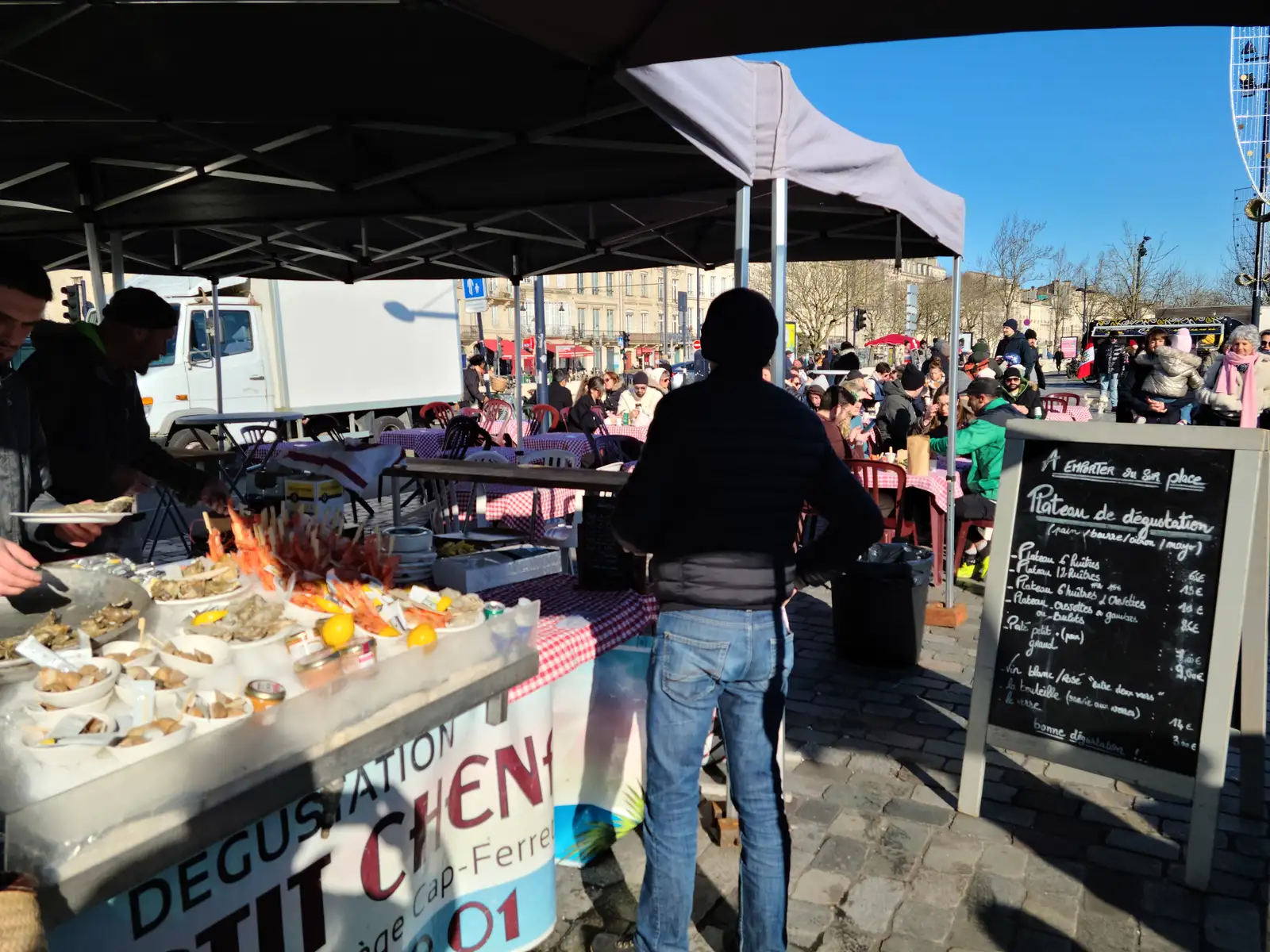
Winter transforms Bordeaux into an oyster lover’s paradise, with Arcachon’s freshest catches flooding the city’s markets daily. You’ll find locals crowding around market stalls at Marché des Capucins, shucking oysters on the spot and pairing them with crisp Entre-deux-Mers whites. The city’s cozy bistros embrace the season with hearty menus featuring truffles, wild mushrooms, and those same pristine oysters that define Bordeaux’s winter food scene.
Fresh Oyster Market Traditions
As December settles over the city, Bordeaux’s covered markets transform into theaters of fresh seafood where oyster vendors shuck shells with practiced precision and locals gather around zinc counters with glasses of chilled white wine. You’ll find this tradition thriving at Marché des Capucins, where Ile d’Oléron oysters cost just 6 euros per person. The ritual’s simple: pick your oysters, head to the shucking station, and enjoy them on ice with lemon or shallot vinegar.
Winter oyster customs you’ll experience:
- French families consume half their annual oyster intake between Christmas Eve and New Year’s
- Markets buzz Wednesday through Sunday as locals stock up for holiday celebrations
- The 17th-century tradition continues with October-through-March harvests ensuring peak freshness
Arrive early on weekends—these coveted counter spots fill fast.
Cozy Bistro Winter Menus
Beyond the seafood counters, Bordeaux’s traditional bistros beckon with wood-fired hearths and menus that showcase the region’s cold-weather culinary treasures. You’ll find black truffles from Périgord gracing mashed potatoes and penne at La Brasserie Bordelaise, while La Tupina serves foie gras terrine with potatoes cooked in duck fat.
These meat-focused spots excel at hearty classics—think entrecôte à la Bordelaise with shallots and red wine sauce at Les Noailles, or premium steaks from boeuf de Bazas (France’s answer to Kobe beef). Au Bistro delivers Parisian-style energy near Marché des Capucins with duck from Landes, rabbit, and blood sausage. Winter means truffle-infused comfort foods paired with Southwestern French traditions.
Reserve ahead at La Tupina, and don’t skip dessert—their canelé stuffed with salted caramel ice cream is irresistible.
River Walks and Parks on Clear Winter Days in Bordeaux
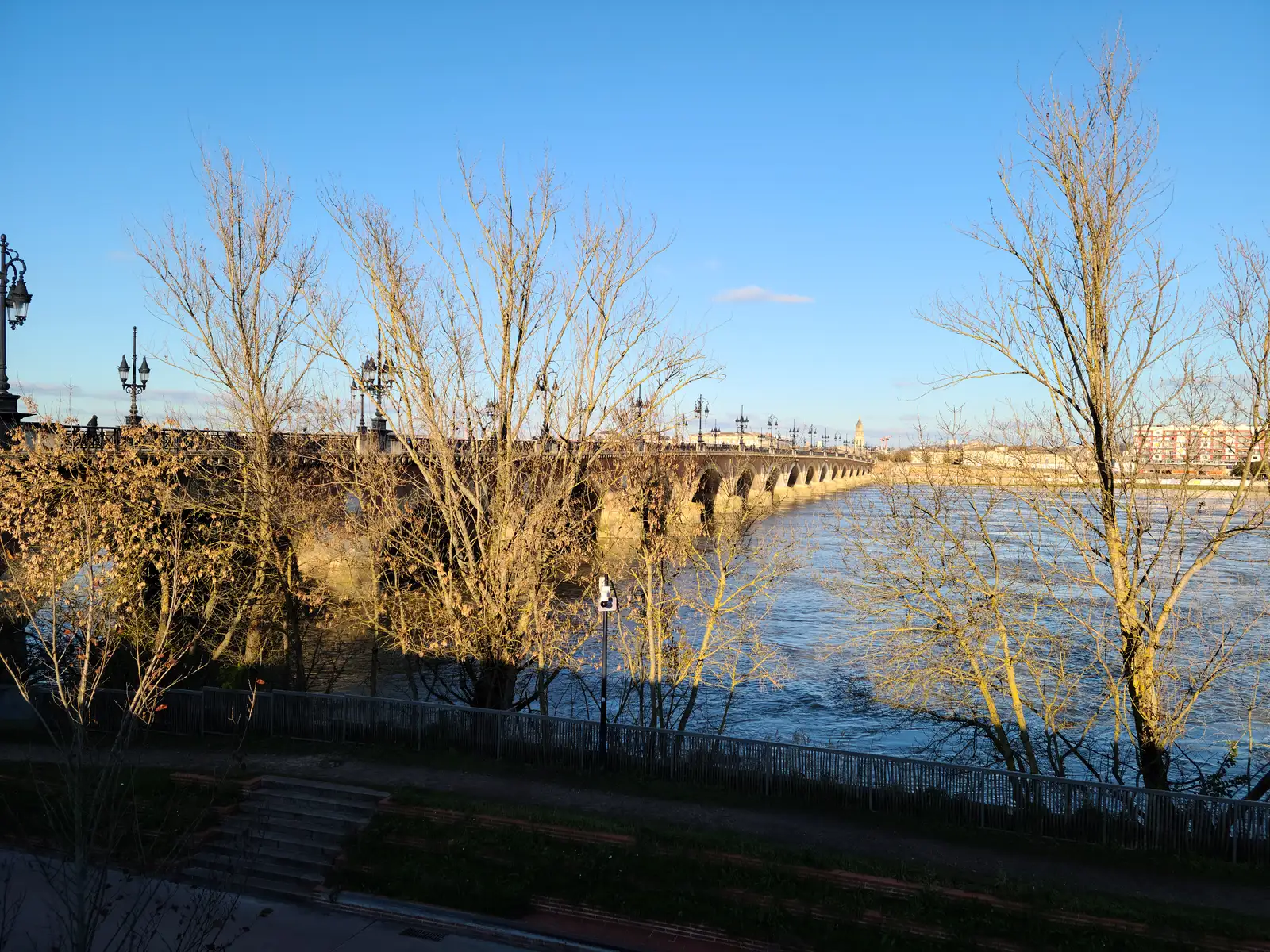
When clear skies break through Bordeaux’s winter clouds, the city’s riverside paths and green spaces become irresistible. You’ll find the Garonne River quays stretching 4 km from Pont de Pierre to Pont Chaban-Delmas, where blond stone facades and Place de la Bourse create stunning backdrops. The steady river movement and seasonal light make winter walks especially rewarding.
For variety, explore these green havens:
- Parc Bordelais – 2 km of shaded paths with fountains, ponds, and swans in the city center
- Parc de l’Ermitage – A large ecological reserve featuring forest trails and lake views along the Garonne’s right bank
- Bordeaux Lake – A 5 km loop offering wide-open spaces and fresh air for family outings
Each location provides peaceful winter strolls through Bordeaux’s lush landscapes.
Is Bordeaux Warmer Than Paris or Lyon in Winter?
If you’re deciding between French cities for a winter escape, Bordeaux wins the temperature contest hands down. January temperatures here average 7°C, while Paris sits at a chilly 4.5°C and Lyon at 4.16°C. That’s roughly 2.5°C warmer—you’ll definitely feel the difference!
Bordeaux’s Atlantic climate keeps winters remarkably mild throughout the season. February and December follow the same pattern, with Bordeaux maintaining that 2-2.6°C advantage over Lyon. You’ll also dodge snowfall here—Bordeaux sees barely 0.01mm monthly compared to Lyon’s 0.17mm in January.
Even sunshine hours favor Bordeaux slightly, offering about 0.07-0.42 extra hours of daily light during winter months. While no French city is tropical in winter, Bordeaux’s oceanic westerlies create the warmest, most pleasant conditions for your winter adventures.
How to Get Around Bordeaux by Tram and Bike in Winter
Bordeaux’s tram network makes winter exploring ridiculously easy—you’ve got 4 lines covering 82 km of track with 139 stations, the most extensive system in France outside Paris. Trams run until midnight Sunday-Wednesday and 1:15 a.m. Thursday-Saturday, perfect for evening adventures. Line F connects Gare Saint-Jean directly to the airport every 10 minutes, no transfers needed.
Winter transportation highlights:
- Level platforms match tram floors—wheelchairs and strollers roll on effortlessly
- Bordeaux CityPass gives unlimited tram access for 24/48/72 hours, plus museum entry
- TBNight buses run 1:30-5:30 a.m. Thursday-Saturday when trams stop
Grab tickets through the TBM app or machines at stops. The network’s reliability beats cycling through chilly winter weather, keeping you warm while covering the entire metropolis.
Conclusion
You’ll love Bordeaux in winter! The city’s mild weather, cozy wine bars, and nearly empty streets create the perfect escape. You’re getting authentic French culture without the crowds, plus amazing seasonal food and unbeatable hotel deals. Bundle up for riverside strolls, duck into world-class museums, and savor fresh oysters at bustling markets. Winter transforms Bordeaux into an intimate, magical destination that’s all yours to explore. Don’t wait—book your trip now!