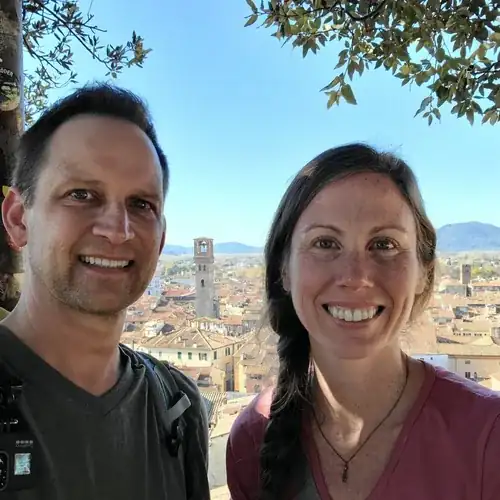
You’ll find Strasbourg sits at the heart of Alsace wine country, where centuries-old cellars and sun-drenched vineyards are just minutes from the city center. Whether you’re drawn to aromatic Rieslings, spicy Gewurztraminers, or discovering what makes a Grand Cru special, you’ve got options that range from quick afternoon tastings to full-day village-hopping adventures.
The real question isn’t whether to taste—it’s how to make the most of your time here.
- Half-day wine tours from Strasbourg cost €20–€40 and visit two wineries in four hours with air-conditioned transport included
- Full-day Alsace Wine Route tours run eight hours, visit three estates, and include village exploration in medieval towns like Riquewihr and Ribeauvillé
- Riesling and Gewurztraminer are Alsace’s signature grapes—Riesling offers crisp minerality while Gewurztraminer delivers aromatic florals and subtle sweetness
- Grand Cru wines come from 51 officially designated vineyard sites and represent top-tier quality at values under €100 for producer bottles
- The Historic Strasbourg Hospital Cellar, operating since 1395, houses a 1472 barrel containing the world’s oldest wine still in use
- Most tours offer free cancellation up to 24 hours before departure, and online booking platforms like Viator guarantee rates
- Soil type—granite, limestone, volcanic—directly shapes wine flavor, creating distinct terroir expressions you can taste in every glass
City Tastings vs. Day Trips: Your Strasbourg Wine Tour Options
Whether you have two free hours or an entire day, Strasbourg puts Alsace wine within easy reach through two distinct tasting styles. City-based tastings keep you central, with no car needed—you’ll walk to wine bars, schools like Oenosphère, or join guided strolls through Petite France while sampling three to seven wines.
Costs start around €20–€40, and flexible timing means you can fit a session between museum visits or evening plans.
Day trips run six to nine hours, whisking small groups to vineyard estates along the Alsace Wine Route. You’ll tour cellars in Riquewihr or Eguisheim, taste wines where they’re made, and see terraced slopes against the Vosges foothills. Many itineraries include stops in Mittelbergheim for tastings of Pinot Blanc, Sylvaner, and Riesling at family-run estates.
Pick-up from your hotel, transport, and commentary are included—perfect when you want full terroir immersion.
Half-Day Wine Tours From Strasbourg: Two Wineries in Four Hours
You’ll find half-day wine tours from Strasbourg follow a simple, satisfying structure: four hours, two wineries, and tastings of the region’s signature whites. These tours depart morning or afternoon from a central meeting point near the train station, whisking you and up to seven other guests through vineyard-covered hills in an air-conditioned minivan.
Most packages include transportation, English-speaking guides, and guided tastings at family-run estates—with flexible cancellation policies and online booking making the whole process invigoratingly straightforward. The journey includes a stop in Obernai, a historic town that serves as an introduction to the region’s wine culture before continuing to the estate visits.
Typical Itinerary and Format
Most half-day Alsace wine tours from Strasbourg follow a compact four-hour template designed to pack two winery visits into a single morning or afternoon block. You’ll meet your guide at Place de la Gare about ten to fifteen minutes before departure, then climb into an air-conditioned minivan with up to seven other guests.
The driver-guide navigates the famous Route des Vins d’Alsace, weaving through vineyard-draped foothills and stopping in picturesque villages like Obernai for photos and a short walk. Each winery visit lasts roughly sixty to seventy-five minutes, giving you time to tour cellars, learn about local grape varieties, and taste several wines.
Between stops, you’ll spend fifteen to forty-five minutes on the road, absorbing commentary on Alsatian terroir before returning to your original meeting point. Some operators offer tailor-made tours that can be customized to accommodate specific interests in particular wineries or wine styles.
Wineries and Tasting Experience
The wineries you’ll visit on a half-day tour cluster along the northern and central stretches of the Route des Vins d’Alsace, between charming villages like Marlenheim, Barr, Obernai, and Dambach-la-Ville. You’ll discover small family estates—many with seven generations of winemaking behind them—alongside forward-thinking organic and biodynamic producers.
Each stop features structured tastings of four to eight wines, giving you a real sense of Alsace’s signature grapes and terroir.
- Riesling — citrus and stone fruit with mineral-driven elegance
- Gewurztraminer — aromatic florals with lychee and exotic spice
- Pinot Gris — rich complexity with stone fruit and subtle sweetness
- Crémant d’Alsace — sparkling wines served as aperitifs
- Pinot Noir — Alsace’s red-wine showcase with silky structure
- Vendanges Tardives — late-harvest dessert wines with concentrated fruit
- Terroir-driven cuvées — single-vineyard expressions from granite, limestone, and sandstone soils
Cellar tours reveal historic architecture, century-old oak casks, and passionate winemakers enthusiastic to share their craft. Some estates, like those in Barr, operate from winery buildings dating to 1818, offering visitors a glimpse into two centuries of Alsatian winemaking tradition.
Pricing and Booking Logistics
Most tours depart from a central meeting point opposite Strasbourg’s train station, with morning and afternoon slots available.
Popular tours frequently sell out on weekends and during high season, so secure your spot early through online platforms like Viator or TripAdvisor for guaranteed rates and flexible cancellation policies.
Groups typically max out at eight participants, ensuring an intimate experience. Payment’s usually handled online at booking, and you’ll receive a mobile voucher with exact meeting instructions.
Full-Day Alsace Wine Route Tours: Three Estates and Village Stops
A full-day tour from Strasbourg reveals the complete Alsace Wine Route experience, running about eight hours with visits to three wineries and stops in several picture-perfect villages. You’ll taste six to ten wines—Riesling, Gewürztraminer, Pinot Gris, and Crémant d’Alsace—while learning how each estate’s terroir shapes its signature styles.
The extended format lets you explore fortified medieval towns like Riquewihr and Ribeauvillé between cellar visits, blending structured wine education with leisurely village walks through half-timbered streets and vineyard panoramas.
Itinerary and Tour Structure
When you book a full-day Alsace Wine Route tour from Strasbourg, you’ll typically depart around 9:00 am for an eight-hour journey that balances vineyard visits with village exploration. Your route follows the historic Wine Route corridor southward through enchanting villages like Obernai, Riquewihr, and Ribeauvillé.
- Three intimate winery tastings where family winemakers share their craft
- Short village walks through half-timbered medieval centers
- Scenic photo stops overlooking vineyard-covered hillsides
- Optional castle visits at sites like Haut-Kœnigsbourg
- Relaxed pacing with frequent seated breaks between stops
You’ll drive 20–40 minutes between clusters of stops, allowing comfortable adjustments. The itinerary emphasizes low-intensity exploration—perfect for savoring Alsace without rushing. Winter tours stay closer to Strasbourg, while summer routes venture deeper south, maximizing daylight for memorable discoveries.
Winery Selection and Tastings
Your eight-hour journey brings you to three carefully chosen wine estates that capture the essence of Alsace’s winemaking heritage. You’ll visit historic family domaines like Hugel or Trimbach, paired with larger houses such as Arthur Metz, creating a balanced perspective on regional production.
Each stop offers guided flights of four to seven wines, typically beginning with Crémant d’Alsace before moving through Riesling, Gewurztraminer, Pinot Gris, and Muscat. Staff or winemakers walk you through vineyard practices, vinification techniques, and food pairings while you compare aromatic profiles side by side.
The estates span contrasting terroirs—granite, limestone, sandstone, volcanic—showcasing how soil shapes style. You’ll explore sweetness scales from sec to vendanges tardives, decode Grand Cru designations, and purchase bottles at cellar-door pricing within charming villages like Ribeauvillé and Riquewihr.
Village Exploration and Logistics
Between winery appointments, you’ll wind through postcard villages that anchor Alsace’s wine culture in living history. Your eight-hour loop typically covers two to four villages—Riquewihr’s half-timbered streets, Ribeauvillé’s medieval core, and quieter gems like Mittelbergheim. Each stop offers forty-five to ninety minutes for cobblestone wandering and photo moments before your air-conditioned minivan continues.
- Riquewihr — 16th-century lanes with carved beams and flower boxes at every window
- Ribeauvillé — medieval core with castle views framing endless vineyard quilts
- Dambach-la-Ville — hand-painted shop signs whispering centuries of artisan pride
- Mittelbergheim — narrow streets where your minivan squeezes past stone fountains older than nations
- Seasonal discoveries — summer geraniums or December market glow transforming familiar corners into fresh experiences
Most tours depart Place de la Cathédrale at nine, returning by five.
What Happens at an Alsace Winery: Cellar Tours and Tastings
A typical Alsace winery visit unfolds over 1.5 to 2 hours and takes you from vineyard to cellar to tasting room. You’ll start among the vines, learning about terroir and grape varieties like Riesling and Gewurztraminer.
Then you’ll move into the cellar to see fermentation tanks, pneumatic presses, and sometimes century-old barrel rooms that showcase family traditions spanning generations.
The tasting itself features around five wines, though some estates pour ten or eleven. A winemaker or host guides you through each glass, often moving from crisp, dry whites to richer or sweeter styles. You might even try blind tastings in black glasses. Many wineries pair wines with local cheeses or charcuterie.
Advance reservation is strongly recommended, especially on weekends along the Alsace Wine Route, as winemakers schedule tastings to ensure personal attention and limited group sizes.
Wine Tasting Courses in Strasbourg: Aroma Training and Balance
You’ll find excellent structured oenology courses right in central Strasbourg that teach you how to identify wine aromas and understand balance. These 4-hour workshops focus on developing your nose through guided sessions with 7 wines, helping you recognize aromatic families and link them to specific grape varieties.
You’ll also learn the stages of tasting—visual, olfactory, and gustatory—so you can analyze how acidity, tannins, and body work together in wines from Alsace, Chablis, and Côtes-du-Rhône.
Structured Aroma Recognition Sessions
Wine courses in Strasbourg place aroma training at the heart of learning to taste. You’ll master systematic recognition through guided drills that anchor aromatic references in your memory. Four-hour workshops with seven wines teach you to distinguish primary, secondary, and tertiary aromas using standardized vocabulary. Extended day programmes offer fourteen wines for deeper practice through repetition and contrast exercises.
- Citrus in Riesling — bright lemon, grapefruit, and mineral notes
- Lychee in Gewürztraminer — exotic tropical fruit with rose petals
- Rose petals in Pinot Gris — floral character with subtle spice
- Grape-variety signatures — primary aromas distinct from winemaking notes
- Terroir-driven distinctions — how granite, limestone, and volcanic soils shape aromatic expression
- Biodynamic profiles — complex natural aromatics in minimally-intervened wines
Sessions cap at twenty participants, ensuring personalized guidance. You’ll practice comparative smelling, build consistent descriptors, and connect aromatic expression to terroir factors that shape each bottle’s unique signature.
Palate Training and Balance
After you’ve trained your nose to recognize Alsace’s signature aromas, Strasbourg’s wine courses shift focus to your palate—the muscle memory that separates casual sippers from confident tasters.
You’ll work through systematic tasting grids that break down attack, mid-palate, and finish. Each session presents 7+ wines, letting you calibrate intensity benchmarks across Riesling, Pinot Gris, and Gewurztraminer. You’ll compare dry versus off-dry styles to anchor your perception of residual sugar against acidity.
Balance becomes your obsession: how acidity lifts freshness, how tannin integrates in Pinot Noir, how alcohol shapes body. Four-hour courses teach beginners; full-day programs drill 14 wines into your memory. Guided descriptor lists keep you focused on citrus, stone fruit, and mineral notes rather than wandering into vocabulary overload.
Local cheeses and charcuterie demonstrate how food reshapes balance on your tongue.
Inside Historic Cellars: Century-Old Casks and Video Presentations
Beneath Strasbourg’s streets lies one of Europe’s most remarkable wine heritage sites—the Historic Strasbourg Hospital Cellar, founded in 1395 and still operating today. You’ll walk through 1,200 m² of vaulted passages lined with over 50 giant oak vats, some still aging modern Alsace wines.
- The 1472 barrel — still holds 350 liters of the world’s oldest wine
- Five wooden casks — spanning the 16th to 19th centuries
- Immersive 180-degree video — at Maison Zeyssolff explaining winemaking traditions
- Wines aged in history — tasting wines in century-old barrels
- Free exploration — with audio guides available
- Guided tastings — bookable for groups wanting deeper dives
You’re experiencing 600 years of unbroken wine heritage.
Why Every Tasting Features Riesling and Gewurztraminer
As you emerge from the stone vaults with their ancient barrels, your guide will almost certainly pour two wines first: Riesling and Gewurztraminer. These are two of Alsace’s seven “noble grapes,” and they’re treated as the region’s calling card.
Riesling shows you mineral-driven elegance—dry, crisp, with citrus and stone fruit. Gewurztraminer delivers the opposite: lush, aromatic, bursting with rose petals and exotic spice. Together, they demonstrate how the same hillside can produce radically different wines.
Tour operators know this contrast teaches you about terroir faster than any lecture. One sip shows freshness and acidity; the next shows body and perfume. It’s an instant education in Alsatian wine, which is why every tasting begins with this iconic pair.
What to Pair With Alsace Riesling and Gewurztraminer
Why does every sommelier in Strasbourg light up when you ask about food pairings? Because these wines transform meals into celebrations.
Riesling’s crisp acidity cuts through rich dishes beautifully. You’ll love it with choucroute garnie, tarte flambée, and shellfish. The citrus and mineral notes brighten every bite.
Gewurztraminer handles bolder flavours with confidence. Its floral aromatics and subtle sweetness make magic happen:
- Spicy Asian curries — rose and lychee notes echo exotic spices
- Munster cheese — creamy, pungent profiles meet their match
- Duck dishes — fat and fruit create perfect harmony
- Moroccan tagines — dried fruit and warm spices align beautifully
- Roasted root vegetables — natural sweetness shines through
You’re not just drinking wine; you’re revealing flavours you never knew existed. That’s why sommeliers can’t contain their excitement.
How to Read Alsace Wine Labels: Grand Crus and Village Names
You’ve picked the perfect wine and planned your meal pairings. Now it’s time to decode those beautiful Alsace labels you’ll encounter in Strasbourg’s wine bars.
When you spot “Alsace Grand Cru” on a bottle, you’re looking at top-tier wine from one of 51 official vineyard sites. The label must show the specific vineyard name—like Schlossberg—plus the vintage and grape variety. These Grand Crus showcase noble grapes: Riesling, Pinot Gris, Gewurztraminer, and Muscat.
Village names like Bergheim or Rodern indicate stricter local standards within the broader Alsace AOP. You might also find lieu-dit names, which highlight smaller vineyard plots with even more specific terroir rules.
Since 2021, Alsace labels can include sweetness terms—Dry, Medium-dry, Mellow, or Sweet—making your selection easier and more transparent at purchase.
Booking Your Tasting: Prices, Group Sizes, and Cancellation Policies
Planning your perfect wine tasting adventure in Strasbourg doesn’t have to break the bank. You’ll find options starting at just €6 per person for basic cellar tours, while full-day group excursions range from $100–$196. Private tours accommodate your schedule at $297–$1,754 depending on group size and customization.
- 17–22 exquisite wines sampled during full-day tours
- Family-owned wineries nestled in picturesque villages
- Delicious pairings with local cheese and charcuterie
- Hassle-free transportation through rolling vineyard landscapes
- Historic cellars where tradition meets modern winemaking
Most tours offer free cancellation up to 24 hours before departure, giving you booking flexibility. Reserve through platforms like Viator or TripAdvisor for guaranteed rates. Multi-day packages starting at £548 include accommodations and multiple winery visits.
Private Wine Tours vs. Shared Groups: Which Fits Your Trip?
Should you explore Alsace’s vineyards solo with a dedicated guide, or join fellow wine lovers on a shared adventure?
Private tours give you complete control—customize wineries, adjust your pace, and dive deep into Grand Cru sites or organic estates. You’ll enjoy intimate conversations with winemakers and guides who tailor every stop to your interests, whether that’s adding castles or lingering over extended tastings.
Shared small-group tours (typically 6–8 travelers) follow fixed routes along the Wine Route, balancing tastings with sightseeing on a set schedule. You’ll meet other enthusiasts and share the experience, though time at each estate is stricter and attention from your guide is divided.
Select private tours for flexibility and personalized depth; choose shared small-group tours for camaraderie, fixed pacing, and lower per-person costs.
Why Guides Talk About Soil: Terroir’s Role in Tastings
You’ll hear guides return to one word again and again during Strasbourg tastings: terroir. The volcanic soils of the Vosges foothills, the limestone ridges, and the granite slopes each leave their signature in your glass—shaping acidity, texture, and aromatic intensity in ways you can taste.
When your guide compares a Riesling from granite against one from limestone, or explains why a particular Grand Cru site produces wines with such distinct structure, they’re showing you how the ground beneath the vines becomes part of the wine itself.
Vosges Soils Shape Flavor
When your guide swirls a glass and mentions “the pink sandstone speaks here,” they’re pointing to something real: Vosges soils genuinely shape what you taste. Those quartz-rich slopes drain fast, stress the vines just enough, and warm quickly—conditions that build tension and minerality into every sip.
Clay-marl pockets hold moisture longer, yielding rounder, richer whites. The contrast is startling:
- Stony sandstone parcels — deliver linear, tense wines with a stony finish
- Iron-rich clays — add spicy, ferrous, blood-orange nuances
- Marl-limestone deposits — bring saline, chalky, stone-dust notes
- Thin hillside soils — concentrate flavor through deep roots and low yields
- Mixed sand–clay–gravel — balance drainage with nutrient retention
You’re not imagining differences—you’re tasting geology.
Granite Versus Limestone Profiles
Because granite and limestone behave so differently underground, they stamp opposite personalities onto your glass. Granite’s coarse, sandy texture drains fast, forcing vines to dig deep and concentrate flavors. You’ll taste bright, juicy fruit with lively acidity—think floral Gamay or crisp Riesling bursting with energy.
Limestone, rich in calcium carbonate, holds water like a sponge while still draining excess. It gifts wines with tight, linear acidity and a chalky tension that keeps every sip focused. You’ll notice subtle aromatics, refined minerality, and that signature “stony” character Chablis lovers crave.
Both soils stress the vine through low fertility, shrinking berries and boosting skin-to-juice ratios. The result? Granite delivers expressive, fruit-forward freshness; limestone shapes elegant, age-worthy structure.
Grand Cru Terroir Distinctions
During Grand Cru tastings in Strasbourg, your guide won’t stop mentioning soil—and there’s a reason this obsession matters to your palate.
Each Grand Cru vineyard carries a unique geological fingerprint that creates flavors you can’t find anywhere else. The soil’s chemical composition, drainage patterns, and mineral content directly shape what you’re tasting in your glass.
- Limestone soils — bright acidity and elegant mineral notes
- Granite formations — structured wines with distinctive spice characteristics
- Volcanic substrates — complex aromatic profiles
- Clay deposits — body and richness to the texture
- Ancient Jurassic formations — foundational flavor complexity
This isn’t romantic wine talk—it’s chemistry you can taste. That’s why French labels emphasize vineyard location over grape variety.
Visiting During Harvest vs. Off-Season: What Changes
The timing of your Strasbourg wine adventure dramatically reshapes what you’ll experience in the vineyards and tasting rooms. September’s harvest brings stunning orange-yellow foliage and buzzing activity, but winemakers are intensely busy—expect shorter tastings and crowded tasting rooms. You’ll witness the magic of picking and fermenting, though some trails close for safety.
Off-season visits offer the opposite charm. Winter through spring means quieter villages, more personal attention, and unhurried cellar conversations. Winemakers have time for detailed terroir discussions and longer tastings. Spring adds budding vines and mild weather without summer crowds.
Alsace Wine Route wineries stay open for tastings throughout the year, so your choice depends purely on preference: vibrant harvest energy or peaceful off-peak exploration with deeper winemaker connections.
Choosing Bottles to Bring Home: Riesling, Grand Cru, or Village Wine?
After exploring the vineyards and filling your tasting journal with notes, you’ll face Strasbourg’s most delightful dilemma: which bottles deserve precious suitcase space?
Riesling offers bright acidity and stone fruit flavors that’ll transport you back to Alsatian hillsides. Its moderate alcohol keeps things elegant, and bottles age beautifully for years.
Grand Cru selections deliver exceptional value—top producers like Zind Humbrecht stay under $100 while matching Burgundy’s quality. You’ll taste that distinctive mineral complexity: flint, chalk, wet stones.
Village wines let you explore more bottles without breaking your budget. They’re perfect for:
- Discovering emerging winemakers before they’re famous
- Casual weeknight drinking without guilt
- Experimenting with food pairings fearlessly
- Buying older vintages affordably
- Sharing Alsatian magic generously with friends
Conclusion
You’ve explored your options—now it’s time to book that tasting! Whether you’re sampling wines in the city, touring historic cellars, or wandering through vineyard villages, Strasbourg’s wine scene won’t disappoint. You’ll learn about terroir, discover your favorite bottles, and create lasting memories. Don’t overthink it—just choose the tour that excites you most. Pack your enthusiasm, bring your curiosity, and get ready to experience Alsace’s incredible wines. Your perfect wine adventure awaits!