You’ll find some of France’s most celebrated wine estates just outside Bordeaux’s city limits.
Whether you’re after prestigious châteaux in Pauillac, charming family-run vineyards in Saint-Émilion, or cutting-edge biodynamic producers in Pessac-Léognan, there’s a perfect tasting experience waiting for you.
The best part?
Many of these world-class wineries are surprisingly accessible without renting a car.
Let’s explore which estates deserve your attention and how you can visit them effortlessly.
- Many prestigious Bordeaux wineries are accessible via public transport including trams, buses, and trains without needing to rent a car
- September harvest season offers immersive winemaking experiences but requires advance booking due to limited availability
- Spring and fall shoulder months (April–June and September–October) provide the best combination of comfortable weather, fewer crowds, and lower accommodation costs
- Saint-Émilion’s hilltop village location allows you to walk between multiple world-class estates after a 45–60 minute train ride from Bordeaux city center
- Organic and biodynamic estates now represent 14% of Bordeaux’s 107,000 hectares, with certified properties like Château Latour and Château Palmer demonstrating that sustainable practices produce exceptional quality wines
Best Bordeaux Wineries Accessible Without a Car
While most visitors assume renting a car is essential for Bordeaux wine tours, you’ll be thrilled to discover dozens of prestigious châteaux accessible by public transport. You can reach Château Saint Ahon via tram C to Gare de Blanquefort, followed by a short walk. Bus line 38 drops you directly at Château Dillon.
For Saint-Émilion’s renowned wineries, take the TER train and walk just 1 km to reach multiple châteaux. Tram line A gets you to Château Les Carmes Haut-Brion in Pessac-Léognan with a 10-minute walk. Château Pape Clément in Pessac is accessible via direct bus line 4 or Tram B, offering daily visits and winemaking workshops. Château Léoville-Poyferré in Pauillac is accessible via Transgironde bus 705.
You’ll need to prebook visits and check schedules, but car-free wine touring is absolutely achievable.
When to Visit Bordeaux Wine Regions
You’ll find each season offers unique advantages for exploring Bordeaux’s wine country. September brings the electric energy of harvest, when you’ll witness winemaking in action—though châteaux are busiest and have limited availability. Spring and fall shoulder months give you quieter tastings with more personal attention, while winter offers the most intimate access to winemakers who finally have time to chat.
The harvest typically lasts between 8 to 15 days, depending on the size of the vineyard and whether picking is done by hand or machine.
Peak Harvest Season Benefits
Visiting Bordeaux during harvest season transforms your wine tour into an immersive, sensory experience you won’t find at any other time of year. You’ll walk through vineyards displaying golden and rust autumn shades while tasting ripe Cabernet Sauvignon, Merlot, and Petit Verdot berries straight from the vine. The weather’s perfect—sunny days with temperatures between 50°F and 75°F create comfortable exploring conditions.
Inside the châteaux, you’ll witness the winemaking process firsthand. Watch grape bunches on sorting tables, observe fermenting vats in action, and taste juice transforming into wine. The energy’s electric as winemakers bustle through their busiest season.
You’ll see hand and machine picking methods in action as workers carefully select which clusters to harvest. Special events enhance your visit, including Saint-Émilion’s Ban des Vendanges ceremony and Bordeaux Fête ses Vendanges.
You’ll enjoy harvest-themed tastings and farm-to-table meals celebrating the new vintage’s excitement.
Quiet Shoulder Month Advantages
If you’re smart about timing, traveling to Bordeaux during shoulder months—April through June and September through October—gives you the best of both worlds. You’ll enjoy temperatures between 50°F and 70°F, perfect for cycling through vineyards and leisurely walks. The crowds thin dramatically after school starts in September, and spring brings even fewer visitors.
You’ll save serious money on hotels and B&Bs compared to peak season rates. The wine experiences get better too. Spring offers barrel tastings of new vintages while autumn lets you taste ripe berries straight from the vine.
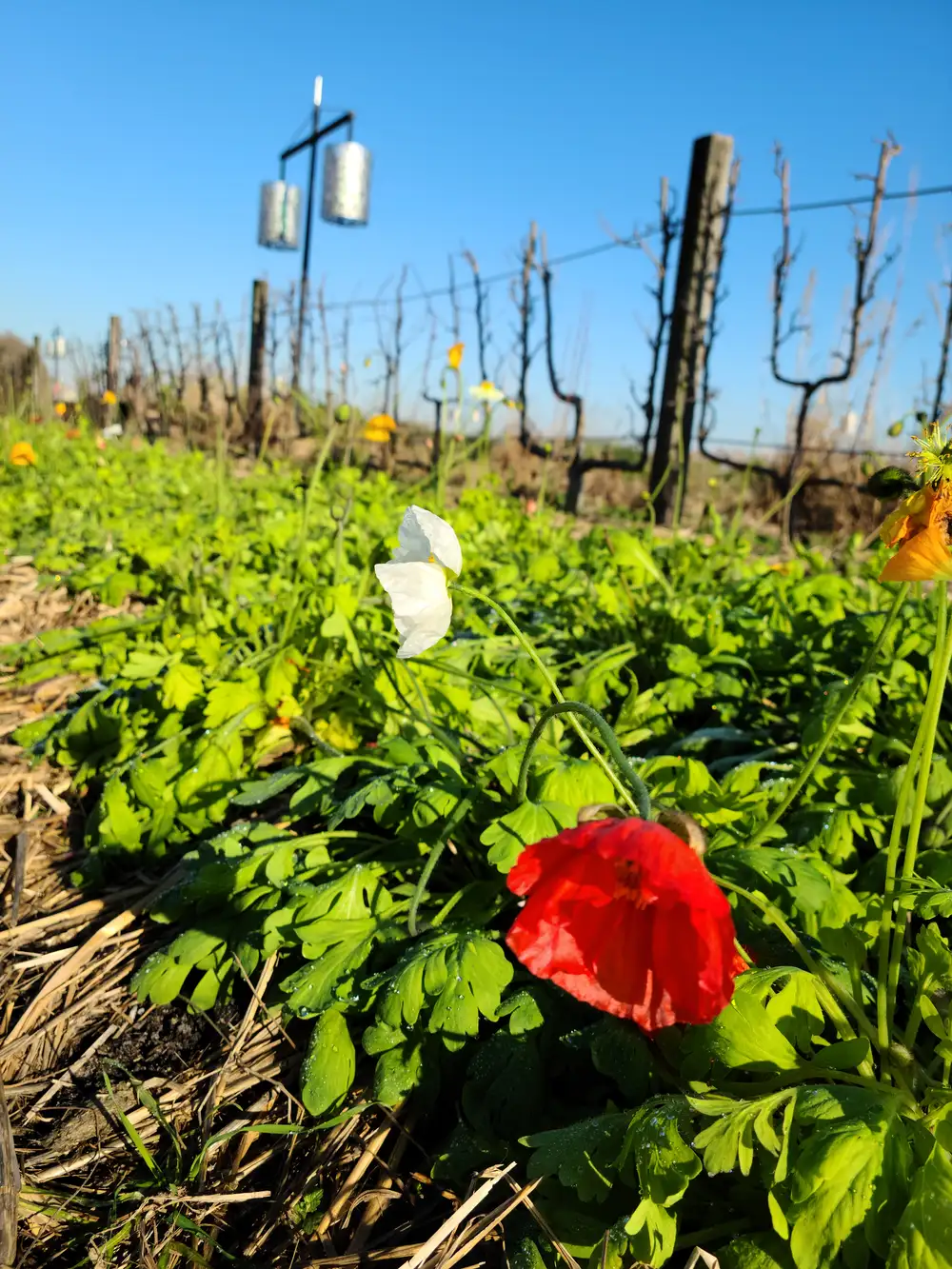
Watch fermenting juice bubble at harvest time without the chaos. During spring visits, you can attend the En Primeurs event in early April, where wine professionals gather to taste aging wines directly from barrels. Plus, you’ll witness stunning scenery—golden fall foliage or spring’s colorful poppies and budding vines create Instagram-worthy backdrops for your wine adventures.
Year-Round Visiting Opportunities
Bordeaux’s wine regions welcome visitors every single month of the year, each season bringing its own magic to your wine adventure. You’ll find vibrant schedules from March through November, with events happening throughout the calendar. May, June, September, and October stand out as prime months for wine tasting and sightseeing, offering gentle weather and perfect vineyard conditions.
Late May through June and mid-September through mid-October deliver the best combination of comfortable temperatures and active wine culture. You can visit wineries in any season, though you’ll need reservations during peak times.
Skip August if possible—many restaurants close for vacation. Also avoid late April’s En Primeur, which remains trade-only.
Every season offers unique experiences, ensuring your Bordeaux wine journey succeeds regardless of when you arrive.
Best Pauillac Wineries for Cellar Tours
Château Lynch-Bages offers one of Pauillac’s most impressive cellar tour experiences, combining its fifth growth Grand Cru status with a stunning modern winery that blends traditional and contemporary architecture. You’ll discover how this estate crafts its powerful Cabernet Sauvignon-based reds alongside the elegant white Blanc de Lynch-Bages during weekday and weekend visits. The château’s state-of-the-art facilities make it perfect for wine lovers who want to see cutting-edge winemaking while tasting exceptional classified growth Bordeaux.
Château Lynch-Bages Tours
When you’re searching for exceptional cellar tours in Pauillac, Lynch-Bages stands out as a must-visit destination that perfectly blends historic charm with modern winemaking excellence.
You’ll discover facilities that showcase both heritage and innovation. The estate preserved its original 1850 vat-house, which features a traditional gravity-flow design that’s still fascinating to observe. Meanwhile, you’ll explore the modern installations completed in 1989, including cutting-edge fermentation rooms and impressive barrel cellars where wines age in 70% new French oak.
Your tour reveals the estate’s Fifth Growth classification from 1855 and the Cazes family’s transformative work since 1938. You’ll walk through nearly 100 hectares of prestigious Pauillac vineyards planted on deep gravel beds. The experience connects you directly with centuries of winemaking tradition while demonstrating contemporary techniques.
Weekend Visiting Options
- Château Lafite Rothschild — First Growth with historic cellars containing vintages from the 1700s and stunning 16th-century architecture
- Château Latour — First Growth with prime estuary location protecting vineyards from frost, producing powerful, structured wines
- Château Mouton-Rothschild — First Growth promoted in 1973, featuring lavish interiors and opulent wines prized by collectors
- Château Pichon-Longueville Baron — Second Growth known for breeding and structure
- Château Grand-Puy-Ducasse — Grand Cru Classé perfect for small-group weekend tours
All these estates offer guided tastings and cellar tours throughout the weekend.
Margaux Wineries With Biodynamic Certification
Nestled in the prestigious Margaux appellation, several pioneering châteaux have embraced biodynamic viticulture with remarkable dedication. You’ll discover Château Durfort-Vivens leading the charge as the first classified growth to earn Demeter biodynamic certification, achieving full conversion by 2013. Château Palmer follows with its holistic approach, integrating cover crops and animals since 2009.
You can visit Château Ferrière, certified organic in 2015 and biodynamic by 2018 under Claire Villars Lurton’s management. For something unique, check out Closeries des Moussis, a small estate that’s been certified since its 2009 creation. These properties participate in Margaux’s impressive Terroir de Biodiversité initiative, proving that top-tier winemaking and environmental stewardship go hand in hand.
You’re witnessing Bordeaux’s sustainable future here.
Pessac-Léognan Wineries Near Bordeaux City
Just minutes from Bordeaux’s city center, you’ll find Pessac-Léognan’s 1,790 hectares of exceptional vineyards producing some of the region’s most prestigious wines. You’re visiting France’s youngest appellation, established in 1987, where 75 winemakers craft outstanding reds and whites on varied soils of gravel, sand, and limestone.
You can’t miss Château Haut-Brion, the legendary First Growth that’s actually within city limits. It’s the only estate holding both 1855 Grand Cru Classé status and Cru Classé de Graves classification. You’ll also want to explore Château Smith Haut Lafitte, where organic and biodynamic practices shine, and they make their own barrels. The region’s 16 classified wineries produce 8 million bottles annually, with whites representing just 10% of production.
Saint-Émilion Wineries Within Walking Distance
While Pessac-Léognan sits at Bordeaux’s doorstep, Saint-Émilion offers something different: a medieval hilltop village where you can actually walk between world-class wineries. You’ll catch a train from Gare Saint Jean (€10, 45–60 minutes), then tackle the uphill walk to town—wear comfortable shoes for those cobblestones.
- Château la Gaffelière — Premier Grand Cru Classé estate with Roman artifacts and 2,000-year vineyard history
- Château Guadet — Located right in Saint-Émilion’s center for easy access
- Clos Fourtet — Walking distance from town with prestigious Grand Cru wines
- Les Cordeliers Clôture — 14th-century monastery with underground cave tours and Crémant tastings
- Le Cloître des Cordeliers — Free-access ruins for sparkling wine experiences
Start your morning at Mie et Merlot boulangerie (opens 7am) before wineries open at 10am.
Organic and Biodynamic Bordeaux Wine Estates
Bordeaux’s wine revolution isn’t just happening in tasting rooms—it’s growing in the vineyards themselves. You’ll find 15,000 hectares now certified organic, representing 14% of Bordeaux’s vineyards. Visit prestigious estates leading this movement. Château Latour went fully organic in 2018 across its 95 hectares.
Château Palmer in Margaux achieved biodynamic certification in 2018, using sheep grazing and homemade compost. Over in Pauillac, Château Pontet-Canet’s biodynamic practices boosted their scores from 90 to 97. Right Bank pioneers include Château Fonroque, organic since 2006.
You’ll experience wines crafted without synthetic pesticides, enhanced by cover crops and natural preparations. These estates prove sustainability produces exceptional quality.
Book tastings at properties showing Bordeaux’s sustainable future.
Michelin-Starred Restaurants Near Bordeaux Wineries
After exploring Bordeaux’s exceptional vineyards, you’ll want to pair your wine discoveries with equally impressive cuisine. The region boasts remarkable Michelin-starred restaurants that showcase southwestern ingredients alongside world-class wine lists.
- Le Pressoir d’Argent Gordon Ramsay — Two stars for ten years at InterContinental Bordeaux, featuring Chef Nicolas Masse’s fusion of French tradition and global influences with tasting menus from 235€
- L’Observatoire du Gabriel — Two stars for neo-classical French cuisine in a Versailles-inspired setting with renowned cheese cellar pairings
- L’Oiseau Bleu — One star in Saint-Émilion since 2020, highlighting seasonal dishes and extensive regional grand crus from the owners’ vineyard
- Le Pavillon des Boulevards — One star since 1986, offering four-act dining experiences near Parc Bordelais
- La Grand’Vigne — One star at Château Raymond Lafon in Martillac
Conclusion
You’ve got everything you need to explore Bordeaux’s incredible wine scene! Whether you’re taking the train to Saint-Émilion, touring prestigious cellars in Pauillac, or discovering organic estates near the city, you’ll find something amazing. Don’t forget to pair your tastings with Michelin-starred dining. The region’s accessible, diverse, and absolutely worth your time. So grab your calendar, pick your wineries, and get ready for an unforgettable wine adventure!