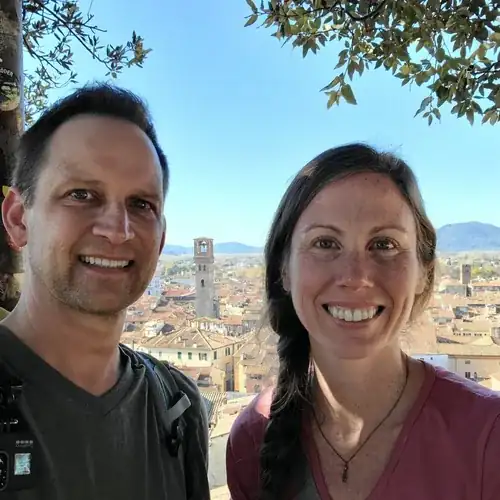
You’ve snapped your obligatory Leaning Tower photo, but here’s the truth: Pisa’s real charm lies beyond that famous slant.
While tourists crowd around one monument, you’ll find Renaissance squares where knights once trained, medieval streets hiding exceptional trattorias, and ancient walls you can actually walk along.
The city’s compact center makes it easy to discover Gothic churches, Roman ruins, and morning markets where locals shop.
Ready to see what most visitors miss?
- Piazza dei Cavalieri and Borgo Stretto offer Renaissance and medieval architecture without the crowds that surround the Leaning Tower
- Santa Maria della Spina and the Camposanto Monumentale showcase Pisan Gothic art and hold significant medieval fresco collections and Roman sarcophagi
- You can walk 3 km of restored medieval city walls built between 1154 and 1346 for panoramic views above the rooftops
- Museo San Matteo houses the world’s largest collection of monumental painted wooden crosses from the 11th–13th centuries
- Piazza delle Vettovaglie’s morning market runs daily from 7:00 to 8:30 am with fresh local produce, cheeses, and the iconic chickpea flatbread cecina
- Palazzo Blu hosts rotating world-class art exhibitions alongside a permanent collection spanning eight centuries of Pisan artistic achievement
Explore Piazza Dei Cavalieri, Pisa’s Renaissance Heart
Seven medieval streets once converged here at what locals called Piazza delle Sette Vie, creating Pisa’s bustling political hub where the Roman forum likely stood centuries before. In 1558, Cosimo I de’ Medici commissioned architect Giorgio Vasari to transform this jumble into a unified Renaissance showpiece.
The result? Pisa’s second most important square. You’ll find the stunning Palazzo della Carovana dominating the space, its façade covered in intricate sgraffito decoration and busts of Tuscan grand dukes. It now houses the prestigious Scuola Normale Superiore.
Across the square stands the Church of Santo Stefano dei Cavalieri, built for Cosimo’s naval order. Step inside to see captured Ottoman banners from battles like Lepanto. The Palazzo dell’Orologio incorporates the Torre della Muda, where Count Ugolino starved—Dante immortalized his tragic story.
The square became the headquarters of the Order of the Knights of St. Stephen in the mid-16th century, cementing its role as a center of military and political power.
Wander Borgo Stretto’s Medieval Arcaded Streets
When Pisan merchants built their fortunes in the Middle Ages, they poured their wealth into Borgo Stretto—the “narrow borough” that became the city’s commercial heart. Today, you’ll stroll beneath continuous medieval arcades supported by elegant Corinthian columns, sheltered by the same covered walkways that protected 14th-century traders.
The street connects Ponte di Mezzo to Pisa’s historic core, lined with colorful two- and three-story merchant houses featuring wooden shutters and iron balconies. San Michele in Borgo, a Romanesque-Gothic church dating to 990, anchors the thoroughfare.
Duck into western side alleys leading to Mercato delle Vettovaglie’s fresh-produce stalls. The arcades now shelter boutiques, cafés, and restaurants where street performers create an animated atmosphere. It’s Pisa’s “living room”—a cobblestoned promenade perfect for your evening passeggiata.
The wealth that built these arcades flowed from Pisa’s Mediterranean merchant fleet, which once dominated trade routes and established posts across the eastern Mediterranean.
See Pisa’s Gothic Gem: Santa Maria Della Spina
Perched along the Arno’s south bank like a jewel box in polychrome marble, Santa Maria della Spina stops passersby in their tracks. Built around 1230 as a riverside oratory, this tiny Gothic masterpiece once housed a thorn from Christ’s Crown of Thorns. You’ll notice the intentional asymmetry—uneven riverbanks shaped its silhouette.
The exterior dazzles with sculptures by Giovanni Pisano and other 14th-century masters. Step inside for striking contrasts between the simple striped interior and the ornate facade. You’ll find the “Madonna of the Rose” by Andrea and Nino Pisano in the presbytery, along with a tabernacle by Stagio Stagi that once held the sacred relic.
- Simple striped interior contrasting with an ornate facade
- “Madonna of the Rose” by Andrea and Nino Pisano in the presbytery
- Tabernacle by Stagio Stagi that once held the sacred relic
The church was moved stone-by-stone in 1871 to escape Arno floods. The sacred relic originally came from the Gherardesca family, who gifted it to Pisa in 1294, transforming a small oratory into this revered sanctuary. Original statues now rest in Museo Nazionale di San Matteo, but you’ll still experience Pisan Gothic brilliance.
Visit the Camposanto Monumentale’s Frescoed Cloisters
You’ll discover the Camposanto Monumentale at the northern edge of the Cathedral Square, where Gothic arches frame peaceful cloisters built over sacred soil from Golgotha. The walls once displayed stunning 14th-century fresco cycles depicting life, death, and biblical narratives—masterpieces that made this one of Europe’s most important medieval art sites before WWII damage. Today you can still admire the elegant arcades and an extraordinary collection of Roman sarcophagi that Pisan crusaders brought back centuries ago.
The cemetery served as the primary burial ground for Pisa’s upper-class citizens until 1779, cementing its status as a prestigious final resting place.
Gothic Arcades and History
As you step through the east entrance of the Camposanto Monumentale, you’ll enter one of Pisa’s most hauntingly beautiful spaces—a Gothic cloister that took nearly two centuries to complete. Construction began in 1278 but wasn’t finished until 1464, interrupted by events like Pisa’s devastating naval defeat at Meloria.
The architecture itself tells centuries of history. You’ll see 43 blind arches creating a stunning white marble exterior, with slender mullions and plurilobed tracery framing elaborate round arches. Round-headed Gothic windows open onto the central courtyard, inviting you to step into centuries past.
The cemetery wasn’t always planned this way—it started as a church dedicated to the Trinity. Legend claims the ground contains sacred soil from Golgotha, brought back by Crusaders. Ancient Roman sarcophagi rest beneath the arcades, their intricate carvings inspiring Renaissance artists for generations.
Medieval Fresco Cycles
Beyond the soaring Gothic arcades lies the Camposanto’s true artistic treasure—medieval fresco cycles that once covered nearly every wall of these luminous cloisters. You’ll witness masterpieces spanning 150 years of artistic evolution, from 1336 to 1485. Archbishop Simone Saltarelli commissioned these instructional narratives, bringing together Florentine, Venetian, and Aretine masters across generations.
Buonamico Buffalmacco’s monumental Triumph of Death commands attention, while Benozzo Gozzoli’s Stories of the Old Scripture fills the north gallery with biblical drama. Though Allied bombs devastated these treasures in 1944, restoration revealed hidden sinopias—preparatory sketches that expose artists’ creative processes.
The Museo delle Sinopie now displays these ghostly underdrawings. You’re experiencing medieval art’s largest collection of preparatory work, offering rare insight into Renaissance masters’ techniques.
Roman Sarcophagi Collection
Lining the Gothic arcade walls, 84 Roman sarcophagi form one of Italy’s most impressive ancient sculpture collections. You’ll walk through what became Europe’s first public museums in the early 19th century, when curator Carlo Lasinio gathered these treasures from across Pisa. These weren’t just museum pieces—medieval and Renaissance elites reused them as prestige burials, transforming Camposanto into the city’s ruling-family pantheon.
- Mythological battle scenes and hunt friezes carved in dramatic high relief
- Portrait busts and inscriptions revealing ancient religious beliefs and social hierarchies
- Decorative motifs that inspired medieval and Renaissance Pisan sculptors
Set beneath Gothic arches with natural light streaming in, you can examine every sculptural detail up close, making this an extraordinary open-air lapidary museum experience.
Hear the Baptistery’s Legendary Acoustics
Standing inside the Baptistery of St. John, you’ll experience one of Italy’s most remarkable acoustic phenomena. This circular stone building, 34 meters wide and 55 meters high, creates a 12–13 second reverberation time that transforms simple sounds into ethereal harmonies.
Staff demonstrate the acoustics every 30 minutes by singing individual notes. Stand near the central baptismal font for the best experience as sung tones build upon themselves, creating organ-like resonance throughout the entire space.
Here’s where it gets magical: each tone lingers so long that it overlaps with the next, creating chord-like harmonies from a single voice. The double-dome design produces a “floating” effect, making sound seem to descend from above. You’ll hear individual notes transform into something almost supernatural as the marble surfaces and unique architecture turn human voice into heavenly music.
Discover Medieval Masterworks at Museo San Matteo
Tucked along the Arno River in a medieval Benedictine monastery, Museo San Matteo holds treasures that’ll transport you straight into Tuscany’s artistic golden age. You’ll find over 200 paintings spanning centuries, but the real showstopper is the world’s largest collection of monumental painted wooden crosses from the 11th–13th centuries.
- Simone Martini’s Polyptych of St Catherine — the painter’s largest and most complex masterpiece
- Room 16’s crucifix gallery — watch Christ’s image evolve from triumphant to suffering, revealing medieval devotional shifts
- Illuminated manuscripts — including the stunning 1168 Calci’s Bible with exquisite miniature painting
The Byzantine-influenced works show Pisa’s Mediterranean connections, while masterpieces by Masaccio, Gentile da Fabriano, and Beato Angelico round out this unmissable collection.
See World-Class Exhibitions at Palazzo Blu
You’ll find some of Europe’s most ambitious temporary exhibitions at Palazzo Blu, a beautifully restored palace on the Arno that regularly hosts blockbuster shows featuring masters like Picasso, Dalí, and Hokusai. Recent seasons have brought over 200 works from institutions like the Centre Pompidou and Philadelphia Museum of Art, drawing crowds well over 100,000 visitors. Between the rotating international exhibitions and the permanent collection of Pisan art upstairs, you can easily spend a full afternoon immersed in centuries of creativity.
Rotating International Art Shows
While Palazzo Blu’s permanent collection tells the story of Pisan art through the centuries, the museum’s rotating exhibitions bring the entire world to your doorstep. You’ll find blockbuster shows featuring international masters like Andy Warhol and Pablo Picasso, alongside thorough explorations into cultural movements that shaped modern art.
- HOKUSAI exhibition (October 2024–February 2025) with over 200 Japanese Ukiyo-e masterpieces and TeamLab’s immersive “Memory of Waves” digital installation
- “Belle Époque” (October 2025–April 2026) exploring Italian painters in Paris, with loans from Musée d’Orsay and major American museums
These major autumn and spring exhibitions transform dedicated gallery spaces across two floors, giving you fresh reasons to return throughout the year. You’ll discover cross-cultural dialogues examining artistic exchanges between Italian and international movements.
Permanent Pisan Collection
Spanning eight centuries of artistic achievement, Palazzo Blu’s permanent collection traces Pisa’s creative legacy from medieval altarpieces to twentieth-century modernism. You’ll discover masterworks by Tuscan luminaries including Benozzo Gozzoli, Orazio Gentileschi, and his daughter Artemisia Gentileschi, whose dramatic canvases command entire galleries.
The collection unfolds chronologically across three floors, starting with fourteenth-century religious paintings and progressing through Renaissance sculptures to Baroque masterpieces. Beyond the paintings, you’ll explore authentic nineteenth-century stately apartments furnished with original Tuscan décor, offering a glimpse into aristocratic Pisan life.
The Simoneschi Collection adds another dimension with its impressive numismatic displays featuring ancient Roman coins and regional antiquities. Don’t miss the basement archaeological finds unearthed during palace restoration, connecting you directly to Pisa’s layered history beneath your feet.
Find Keith Haring’s Vibrant Tuttomondo Mural
Just a short walk from Pisa Central Station, you’ll discover one of the city’s most colorful secrets plastered across the southern wall of Sant’Antonio Abate church. Keith Haring completed this 180-square-meter masterpiece in 1989, spending an entire week creating what he intended as a permanent installation—unusual for an artist who typically painted murals in a single day.
- A man holding a dolphin — symbolizes humanity’s connection with nature
- A woman cradling a child — represents motherhood
- Scissors cutting a snake — depicts defeating evil through cooperation
Titled “Tuttomondo” (All the World), it’s become Pisa’s second-best Instagram spot after the Leaning Tower. The bold colors remain remarkably fresh after 35 years, making it a vibrant testament to Haring’s vision of global harmony.
Stroll Pisa’s Lungarni at Sunset
You’ll find some of Pisa’s most elegant Renaissance and medieval palaces lining the Lungarni, their colorful facades glowing brilliantly in the golden hour light. Head to Ponte di Mezzo for the best sunset views—the bridge and nearby Lungarno Gambacorti offer perfect vantage points to capture the Arno reflecting the warm sky and historic buildings. The calm river creates stunning mirror-like reflections that make for incredible photos, especially as the sun sets behind the cityscape toward the sea.
Views of Historic Palaces
When the sun dips toward the horizon, Pisa’s Lungarni—the riverside streets hugging both banks of the Arno—transform into one of the city’s most romantic settings. Golden light floods Renaissance and medieval façades, then shifts to rose tones that make every palace glow. You’ll discover Pisa’s aristocratic past away from the tourist crowds.
- Royal Palace (Palazzo Reale) on Lungarno Pacinotti, designed by Buontalenti in 1583, once housed Medici grand dukes and now displays period art
- Palazzo Lanfreducci “Alla Giornata” catches sunset rays on its elegant late-Renaissance windows—today it’s the University Rectorate
- Palazzo Agostini shows off medieval tower-house crenellations and Gothic pointed arches in warm terracotta
As dusk settles, evening lights mirror on the water, creating a cinematic backdrop for your stroll.
Best Photo Opportunities
Photographers dream about light like this. The Lungarni transforms during golden hour when sunset bathes the Arno’s colorful buildings in warm, glowing light. You’ll find the river reflecting this magic beautifully, creating endless visual opportunities that harsh midday sun simply can’t match.
Head to Ponte di Mezzo for fantastic vantage points where elegant bridges and historic architecture frame your shots perfectly. The stone spallette parapets lining the riverfront offer prime positions for capturing the interplay of light on water. You can wander freely, discovering your favorite angles without tour group pressure.
Best of all? Fewer crowds than the Leaning Tower area. As Italian poet Leopardi wrote, this sight is “so beautiful, so great, so magnificent” it’ll make you fall in love with the city.
Walk or Cycle Pisa’s Medieval City Walls
One of Pisa’s best-kept secrets stretches for 3 km above the rooftops: a medieval defensive circuit built between 1154 and 1346 that you can now walk along. Rising 11 meters high, these restored walls connect Piazza dei Miracoli to quieter neighborhoods, offering panoramic views you won’t get at street level.
Download the official Pisa Walls app for augmented reality features that bring historical reconstructions to life as you walk. Budget 60–90 minutes for the complete route, and check seasonal opening hours before visiting.
- Historic gates and towers including Porta Nuova, Porta a Lucca, and Porta San Zeno
- Hidden gardens covering 20,000 m² of green space tucked between residential quarters
- Scenic viewpoints perfect for sunset photography over churches and monuments
Uncover Roman History at the Baths of Nero
Beyond the medieval walls lies a fragment of Pisa’s ancient past that most visitors overlook. The Baths of Nero, despite their medieval nickname, actually date from Emperor Domitian’s reign in the late 1st century AD. This thermal complex stands as Pisa’s only surviving Roman monument.
While gates often remain locked, you can peer through the fence at the archaeological remains to get a sense of this remarkable Roman structure.
You’ll find a square exterior concealing an octagonal interior, built with alternating brick and tuff layers. The octagonal room preserves the best portions of its original roof structure. The site connects to the influential Venuleii family, prominent Pisan patrons who rebuilt portions during the 2nd century. It’s free to view and offers archaeology enthusiasts a rare glimpse into Roman Pisa’s bathing culture.
Shop Piazza Delle Vettovaglie’s Morning Market
Tucked between medieval stone arcades just north of the Arno, Piazza delle Vettovaglie hosts Pisa’s most authentic morning market—a daily splash of color, noise, and local life that feels worlds away from the tourist crowds at the Leaning Tower. Arrive early (between 7:00 and 8:30 am) to catch stallholders calling out prices over pyramids of seasonal produce, wheels of pecorino, and strings of cured salami.
Market hours run Monday through Saturday until early afternoon, wrapping up between 1:30 and 4:00 pm. Come before 8:30 am to experience the most vibrant atmosphere and widest selection.
- Fresh fruit, vegetables, olives, and crusty bread — seasonal produce at peak ripeness
- Local cheeses, salumi, and baked goods — authentic Tuscan flavors from regional producers
- Olive oil, preserves, and bottled wine — edible souvenirs to take home
Beyond food, expect stalls selling clothing and homeware tucked into the surrounding lanes, making this a complete local shopping experience.
Taste Cecina and Coastal Seafood in Local Trattorias
Pisa’s proximity to the coast means you’ll eat some of Tuscany’s freshest seafood here—grilled, fried, or tossed with pasta in no-frills trattorias where locals queue for tables. Head to family-run spots near the Arno where daily catches transform into spaghetti alle vongole and fritto misto. You’ll find red mullet, sea bass, and octopus prepared simply with olive oil, garlic, and local white wine.
Don’t skip cecina—Pisa’s iconic chickpea flatbread that’s crispy outside and creamy within. Bakeries slide it from wood-fired ovens throughout the day, serving it warm with black pepper. Pair it with a glass of Bianco Pisano di San Torpè from nearby hills. The combination captures coastal Tuscany’s unpretentious food culture perfectly.
Conclusion
You’ll discover Pisa’s so much more than its famous tower! From Renaissance squares to Gothic churches, from ancient Roman ruins to medieval walls, this city’s packed with surprises. Don’t miss the morning markets where locals shop, or the cozy trattorias serving up authentic Tuscan flavors. Whether you’re into history, architecture, or just soaking up Italian culture, Pisa’s got something special waiting for you. Come explore these hidden gems—you won’t regret it!